$ / Per Person
The Beni to Dolpo trek is a 28-day journey in the western Himalayas of Nepal. It is a journey through landscapes, high mountain passes, and culturally rich, diverse areas. The Beni to Dolpo trek begins with a short domestic flight to Pokhara, followed by a short drive to Beni. Then you trek through the Dhorpatan region and into the lands of Lower Dolpo.
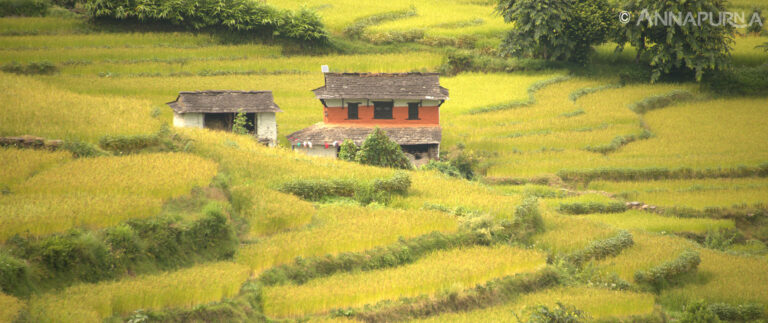
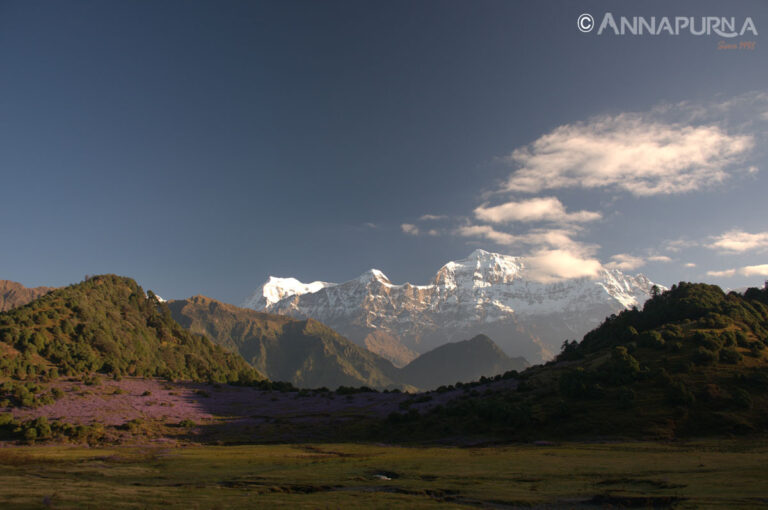
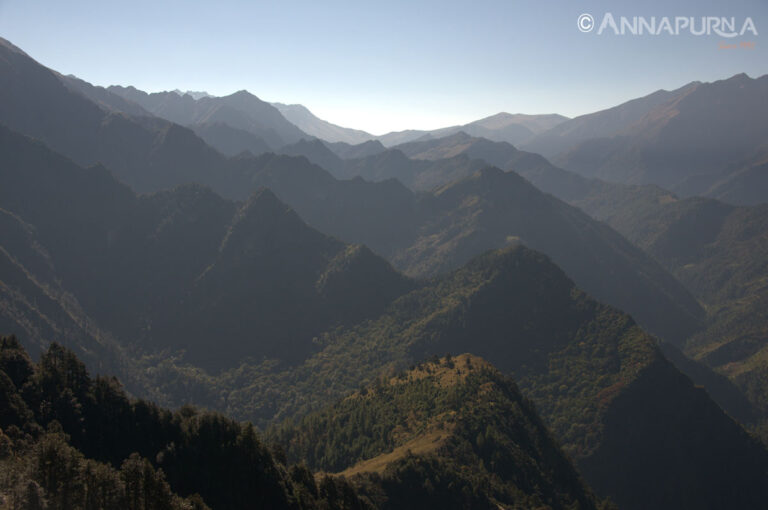
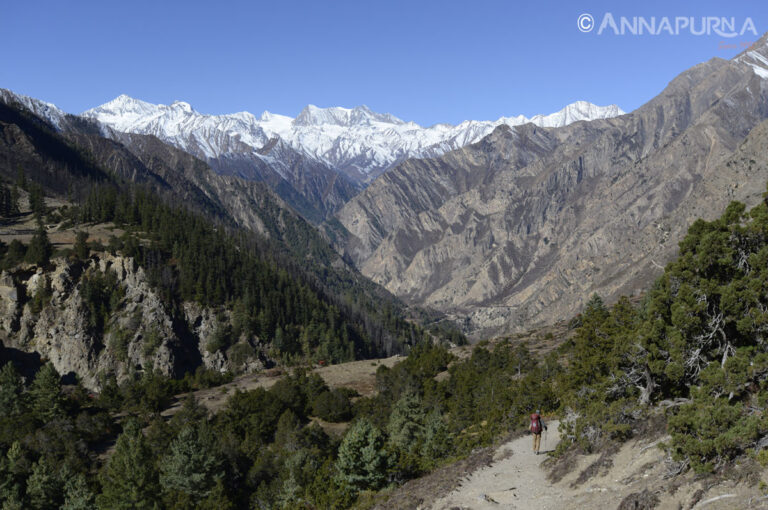
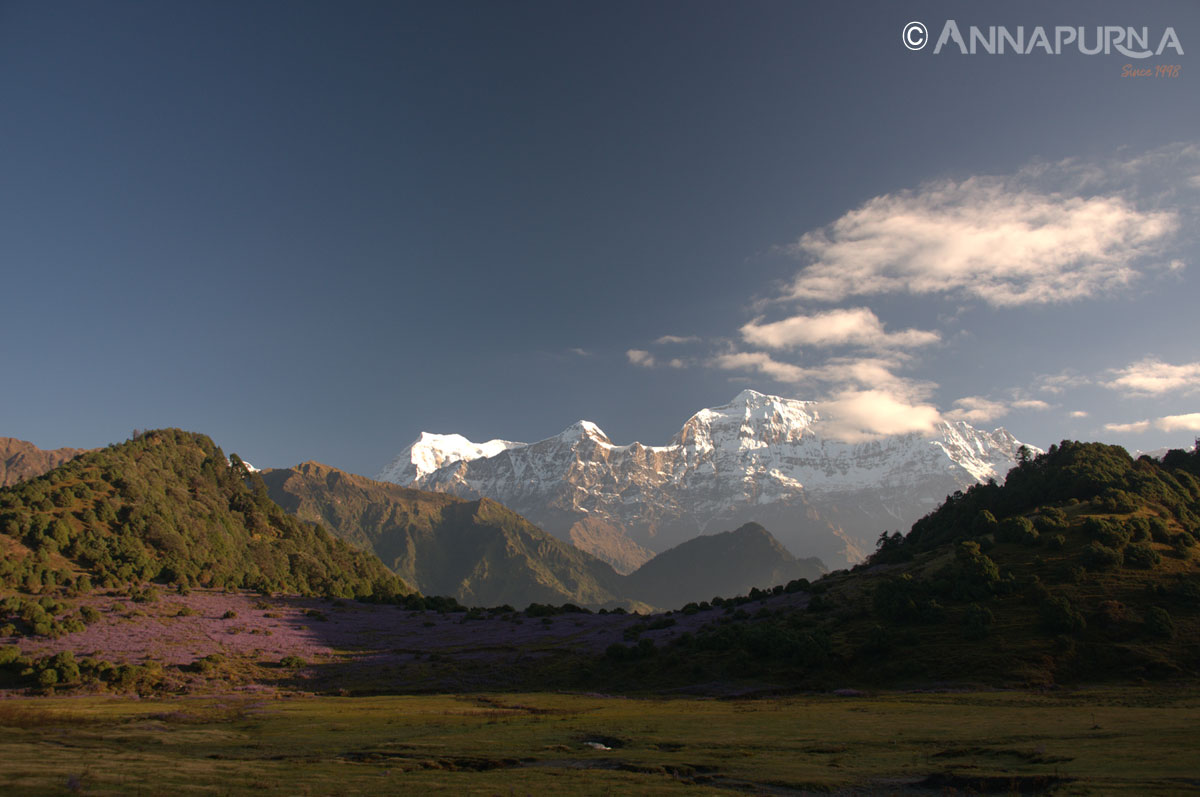
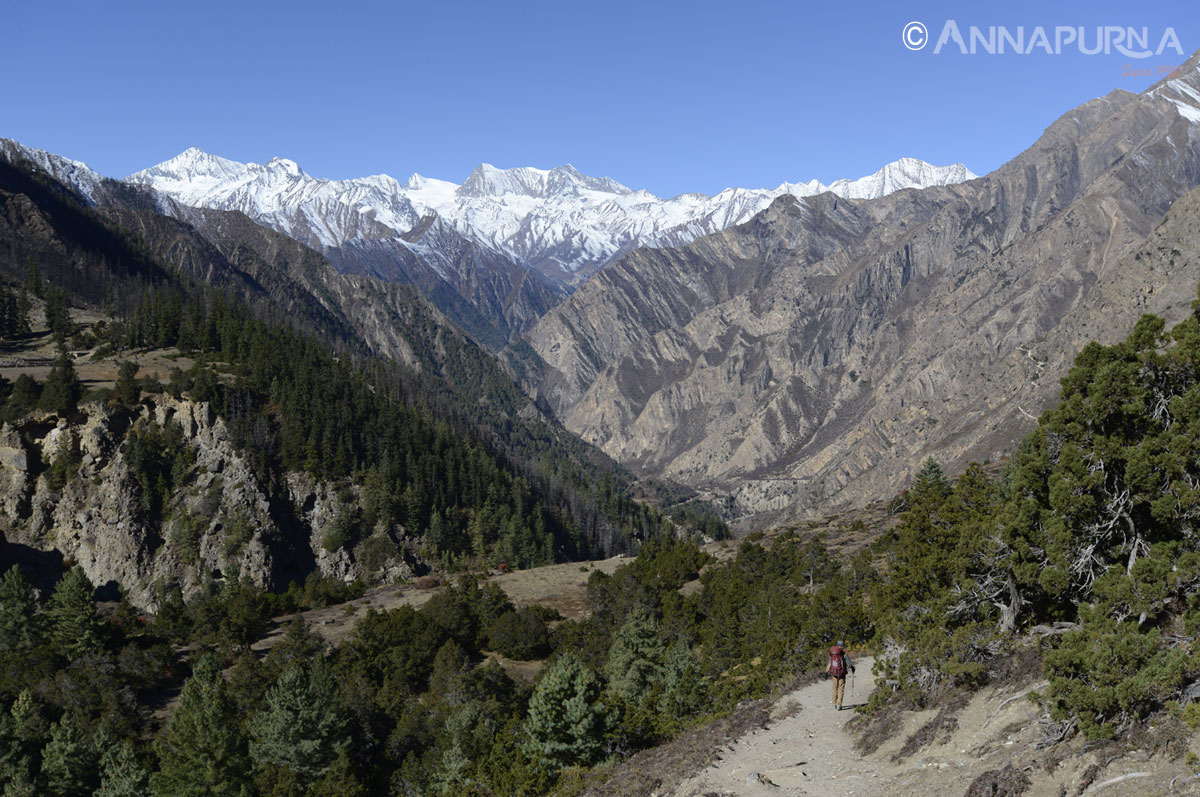
From the start, the trekking trail follows paths from Darbang to Sibang and Lumsum. You pass through forests of pine, oak, and rhododendron, taking in the grand views of the Dhaulagiri range. The lower section of the trail is particularly beautiful. It gives an introduction to the rugged mountain terrain ahead.
As the trek continues, the pony trail ascends to the Jaljala La Pass. This pass is 3390m marks entry into the Dhorpatan Hunting Reserve. This reserve is the only designated hunting reserve in Nepal. It has alpine valleys, rolling grasslands, and a spiritual atmosphere.
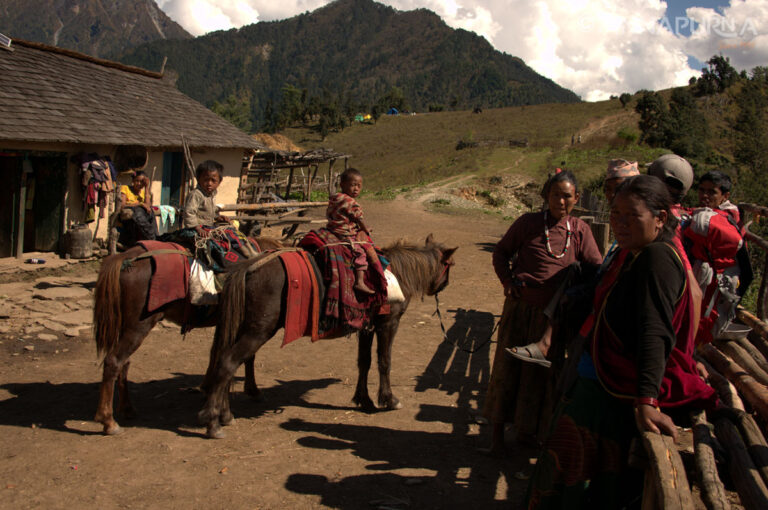
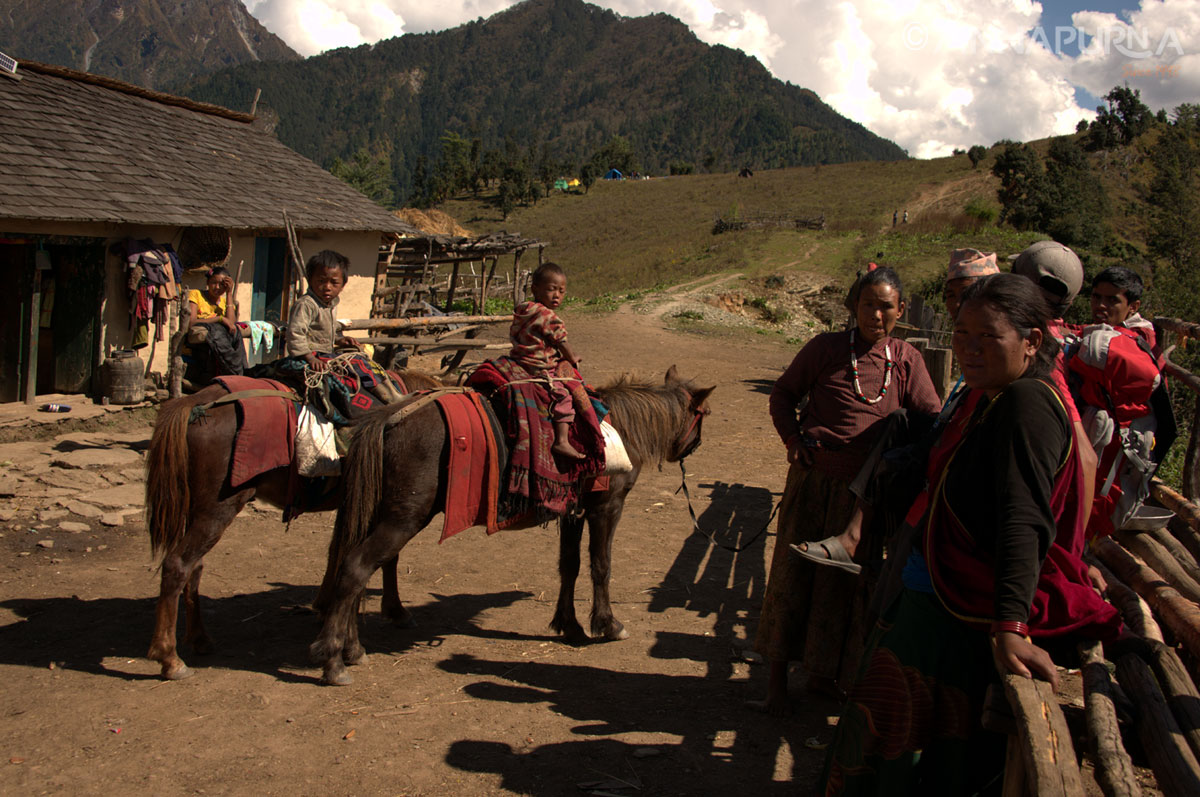
You have a rest day in Dhorpatan. You explore monuments, markets, and the life lines of this remote Himalayan settlement. This pause helps with acclimatisation, body recharging, and provides an opportunity to learn about cultural practices and the daily life of mountain communities in this region.
The route then becomes more challenging. It heads toward the Phagune Dhuri Pass on the way to Takur. This demanding section introduces you to rugged terrain and landscapes. The trail continues through settlements such as Khaim and Dhule.
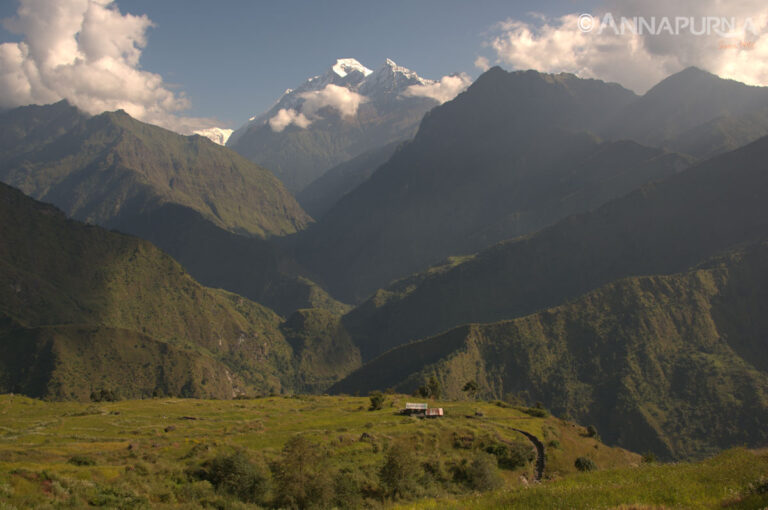
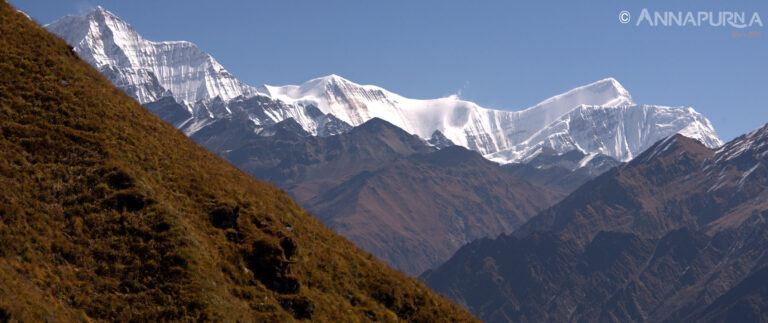
Along the route, there are climbs to the Nautale Pass (meaning nine-storey pass). Nautale Pass offers views of Dhaulagiri and the surrounding peaks. The journey then proceeds toward the Panidal Pass before reaching Purpang. These high-altitude crossings are defining features of the trek in the Nepal Himalayas.
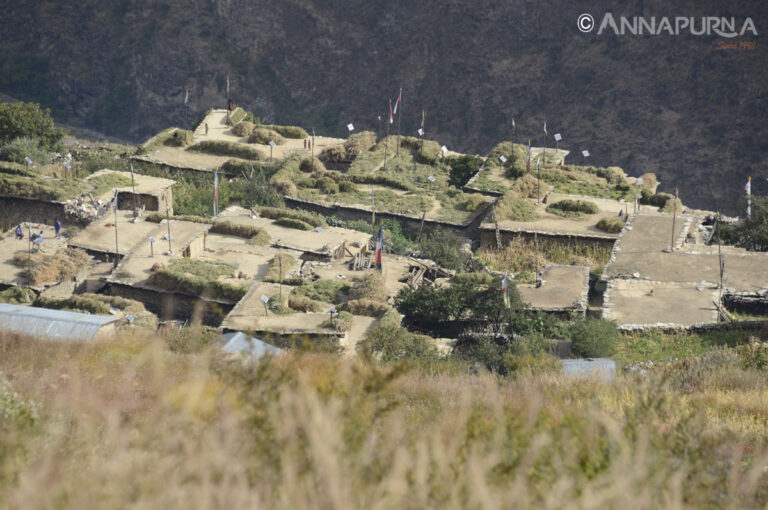
Crossing into Lower Dolpo near Jangla, the trek reveals a transformation in landscape and culture. The lush forested terrain gives way to trans-Himalayan landscapes. The cultural atmosphere becomes increasingly influenced by Tibetan Buddhist traditions.
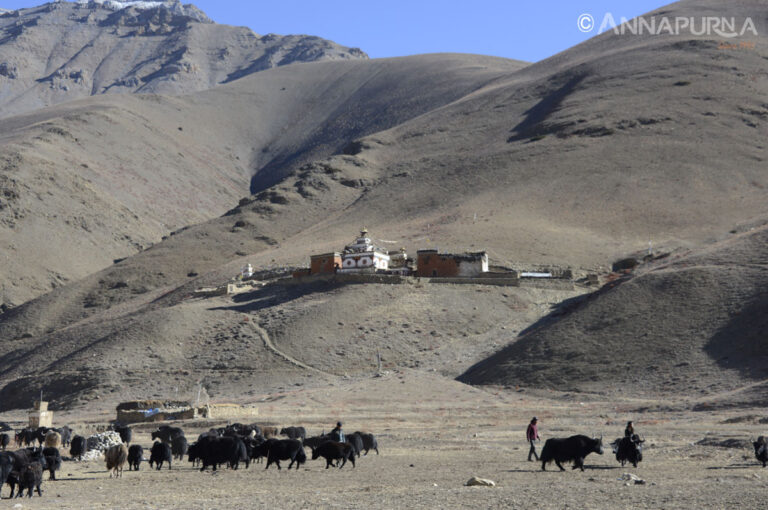
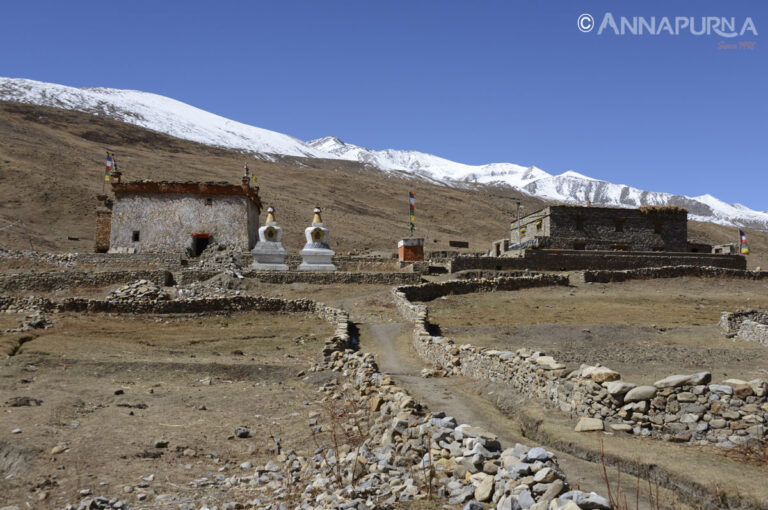
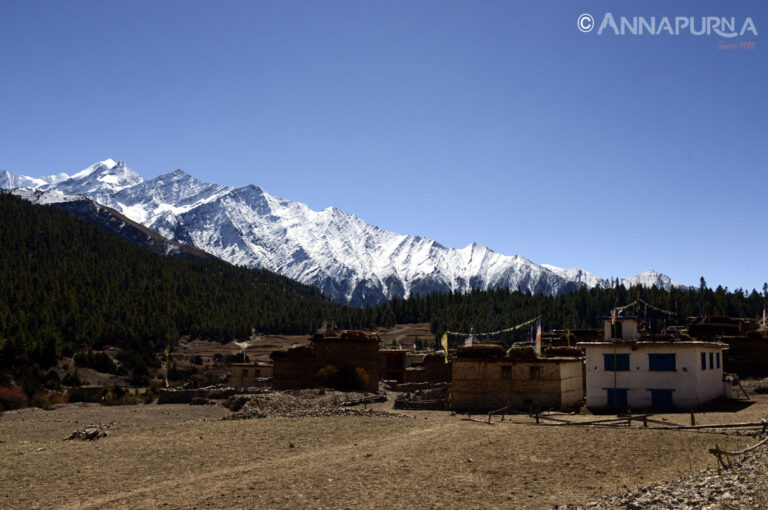
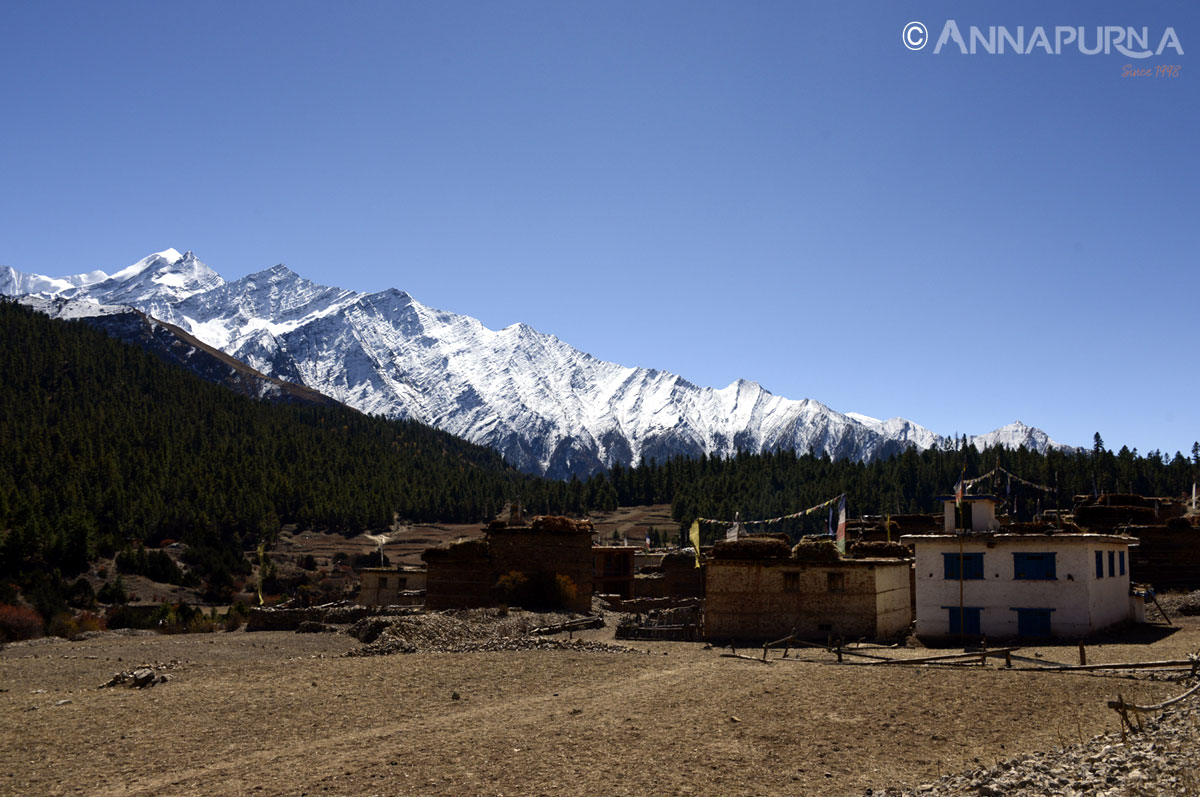
The trail then enters the Tarap Valley. Towering mountains and vast open landscapes surround this valley. Tarap Valley is home to villages such as Dho-Tarap. Ancient monasteries and land dedicated to Pure Tibetan culture offer insight into the history and spirituality of ancient Bon-po and Tibetan Buddhism.
Until you reach the Do Tarap Valley, you get properly acclimatised to both the altitude and the physical adaptations. Therefore, attempting the demanding crossings of Numila Pass (5320m) and Bagala Pass is not a mental challenge; it requires physical endurance. The views from these passes are grand, spanning the Dhaulagiri and Kanjiroba mountain ranges and leading you into another ecological region.
Once you cross the Bagala Pass, you will enjoy the lush nature of Dajog Thang (Dajog Meadow), followed by a beautiful traverse to Ringmo, where the largest and most beautiful freshwater Himalayan Lake, the Shey Phoksundo, is situated.
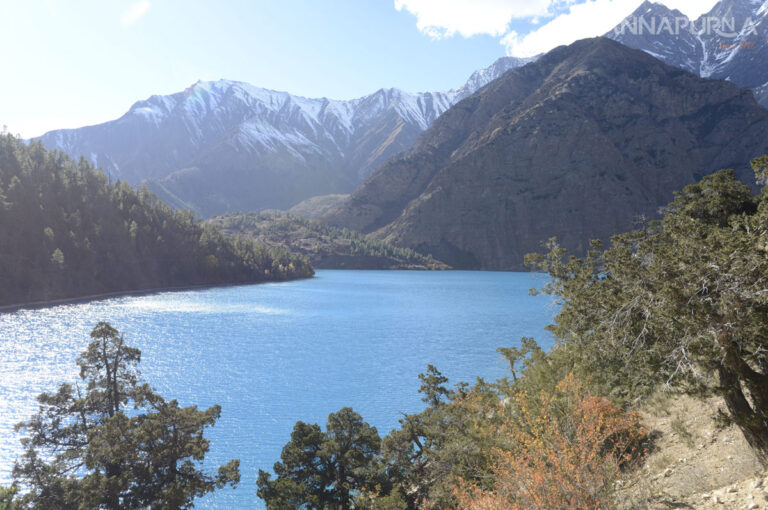
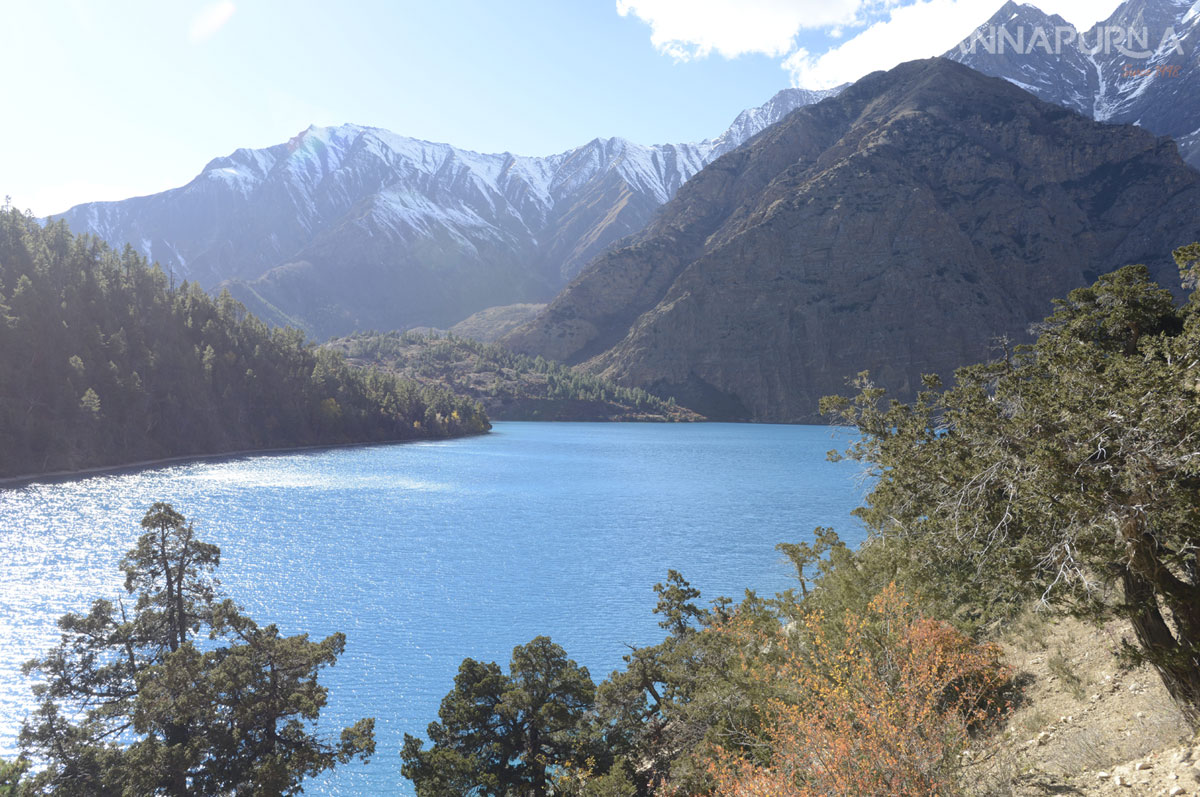
Phoksundo Lake is 3,510 m above sea level and has deep, blue-turquoise waters. Phoksundo Lake is famous for its beauty and for its spiritual significance in the Bon-po religious tradition. The blueness and origin of the lake are linked to a battle between Guru Padmasambhava and a Bon-po leader in mythology. You explore Bon-po monasteries and nearby villages.
The final leg of the Beni to Dolpo trek descends through forests and traditional villages, including Renje and Dunai. The trek concludes at Juphal airstrip, with a celebratory farewell from your trekking crew, who will drive to Kathmandu over 24 hours with all the gear for this expedition. The members will take an early-morning flight to Nepalgunj, the lowest and hottest part of Nepal, and then another domestic connecting flight to Kathmandu.
The Beni to Dolpo trek is ideal for trekkers seeking a remote, culturally diverse Himalayan experience. It combines natural variation, challenging mountain passes, traditional villages, and breathtaking scenery. Unlike other trekking routes, the Beni to Dolpo trail remains less crowded and retains the authentic trail, atmosphere, and villages as they were in other parts of Nepal about 40 years ago.
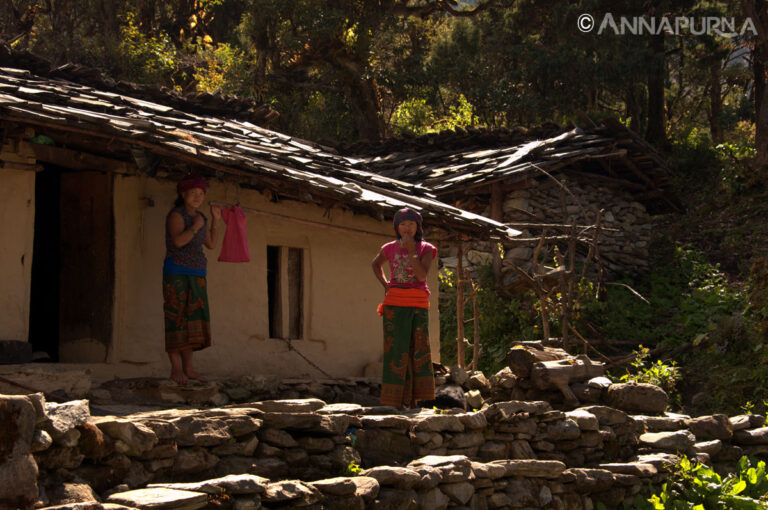
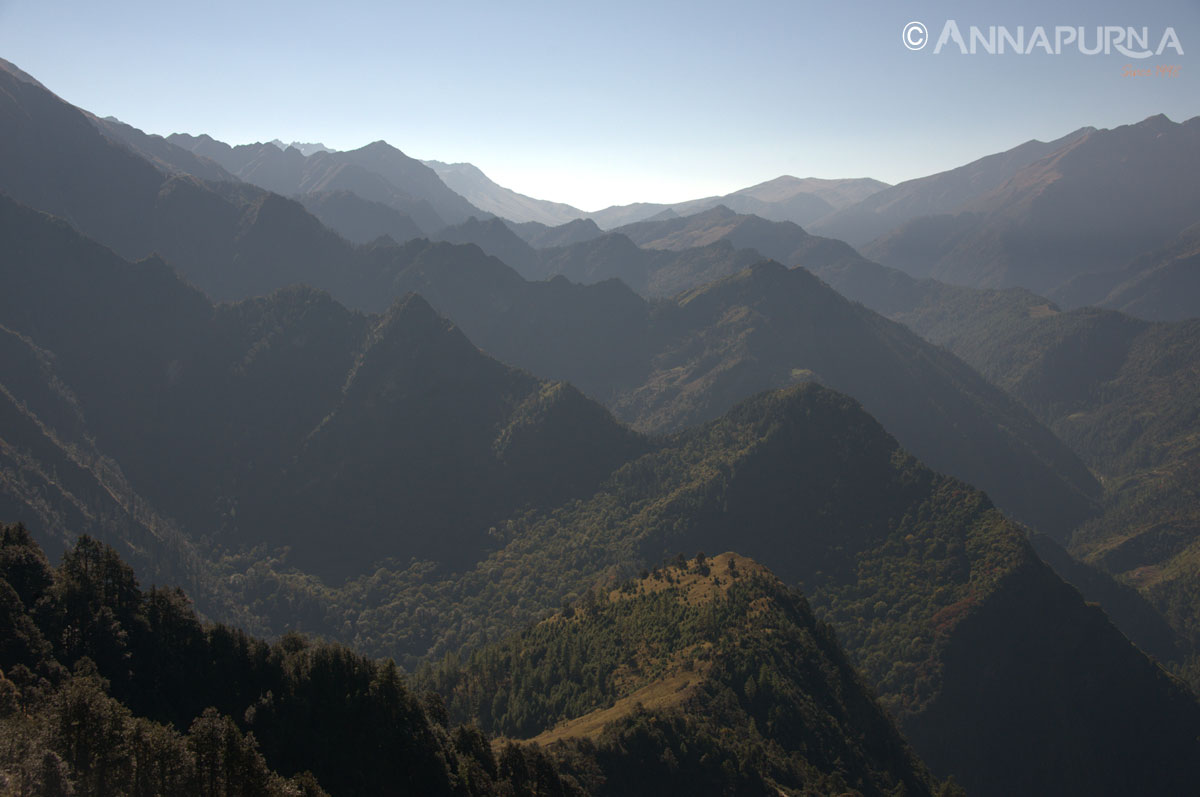
The Beni to Dolpo trek trail traverses diverse forest lines, including rhododendron and pine forests, high passes, Hindu villages and temples, Buddhist monasteries, the influence of ancient Bon-po religion, lakes, grand Himalayan scenery, and deep, dense valleys within the national parks of Dhorpatan and Shey Phoksundo.
For a day-to-day itinerary, hotel information, customised programs, or anything else related to your travel plan. Please get in touch with annatreks@gmail.com or WhatsApp/Message at +977 985 10 30619. You can also message us on Facebook.
High-Altitude Passes
Conquer dramatic Himalayan crossings like Numila Pass (5,320m) and Bagala Pass (5,190m), offering panoramic views of Dhaulagiri, Kanjeralwa, and the Tibeta plateau.
Untouched Tibetan Culture
Soak in remote villages of Dho-Tarap and Dolpo, where ancient Bon-Po monasteries (e.g., Champa Gompa) and Tibetan traditions thrive.
Wilderness & Wildlife
Traverse the Dhorpatan Hunting Reserve and alpine meadows of Dajok Thang, spotting blue sheep and elusive snow leopards.
Phoksundo Lake
Witness the deepest turquoise lake (650m) of Nepal, framed by cliffs and the 330m Phoksundo Waterfall, sacred to Bon-Po communities.
Exclusive Permits
Access is restricted to Lower Dolpo, a Himalayan “hidden kingdom” requiring special permits and ensuring pristine solitude.
Unique Ecology
Explore valleys famed for Yar-Cha Gun-Bu (“Himalayan Viagra”), the rare insect-plant hybrid harvested in high pastures.
Traditional welcome, trip briefing, and time to explore local shrines.
While permits are finalized, exploring UNESCO World Heritage Sites: the ancient monkey temple at Swayambhunath and the historic palaces of Kathmandu Durbar Square. Evening visit to the great Boudhanath Stupa.
Drive for ~8 hours from Kathmandu via Pokhara. Scenic drive on Prithvi Highway, lunch in the beautiful lakeside city of Pokhara with mountain views.
Drive for ~4-5 hours on a rough road from Beni. Camp, final preparations and load distribution with the trekking crew
Trek for ~5 hours via Dharapani. First day on trail through pine and rhododendron forests with vistas of the Dhaulagiri mountain range
Trek for ~ 4 hours through villages like Takam and Muna. Gentle walk through forests; Lumsum is the base for the upcoming Jaljala La pass.
Trek for ~5 hours of uphill climbing. Reaching the scenic Jaljala La pass area.
Trek for ~6-7 hours downhill and through forests. Exploring the vast Dhorpatan valley, a major junction with Tibetan culture, chortens, and mani walls.
Acclimatization day. Options include visiting a monastery, local markets, or short hikes.
Trek for ~7 hours of challenging ascent and descent. Crossing the high pass with panoramic views of the surrounding hills and valleys.
Trek for ~6 hours through mid-hill villages like Bustung and Khaim.
Trek for ~6 hours. Panoramic views of the Dhaulagiri range from the pass.
Trek for ~7 hours on rocky, high-altitude terrain. Stunning mountain panoramas from Panidal Pass; staying at a seasonal shepherds’ campsite.
Trek for ~7 hours crossing multiple passes. Entering the Lower Dolpo region; incredible views of Norbu Himal and Dhaulagiri.
Essential rest and acclimatization day before entering higher, more remote valleys.
Trek for ~6 hours. Crossing into the mystical Tarap Valley, a bastion of Tibetan culture; visiting a monastery.
Trek for ~5 hours through a stark, high-altitude landscape. Arrival in Dho-Tarap village, the cultural heart of the Tarap Valley, with ancient monasteries.
Explore Tibetan culture, visit ancient Bon-Po and Buddhist monasteries (e.g., Kagar, Champa Gompa), and interact with locals.
Trek for ~5 hours. Passing through traditional villages with chortens; preparing to cross the highest passes of the trek.
Trek for ~5 hours. Summit views of Shey Shikhara, Kanjeralwa, and Dhaulagiri. Witnessing the barren, beautiful landscape of Upper Dolpo (special permit required to enter).
Trek for ~3 hours. Crossing the final major pass; camping in the stunningly beautiful “prayer flags meadow” with waterfalls and pine trees.
Trek for ~3 hours. Arrival at the spectacular turquoise Phoksundo Lake; visiting the ancient Bon-Po monastery.
Trek for ~6 hours downhill. Viewing the 330m high waterfall that drains from Phoksundo Lake.
Trek for ~5 hours. Passing through Dunai, the district headquarters; final night on the trail.
Scenic flight from Juphal to Nepalgunj, connecting to Kathmandu. Drive to hotel, check in, relax.
Free day to relax, shop, or take an optional guided city tour.
Transfer to the airport for your international flight home.
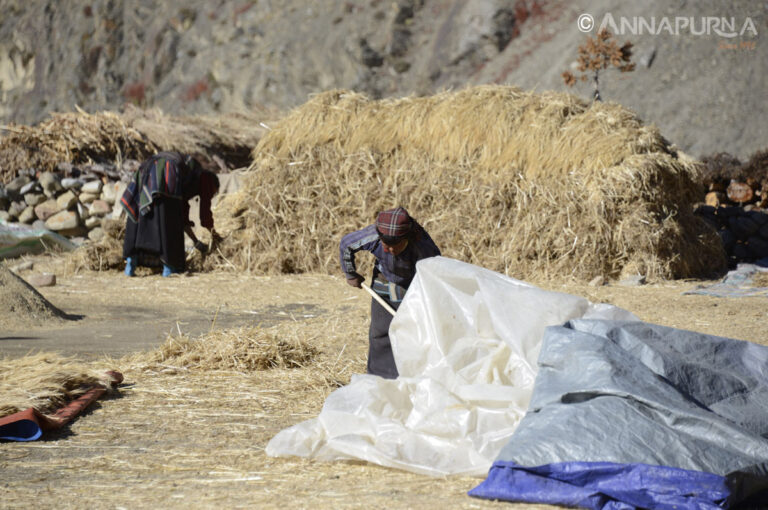
The Dolpo Region, with a unique blend of ancient Bonpo and Tibetan Buddhist Religions, is a last remaining pure Tibetan cultural treasure, thrived with natural wonders. The region’s ancient attire, jewellery, monument structures, agriculture, and animal husbandry, along with the last remaining nomadic lifestyles and trans-Himalayan trading practices, offer a fascinating glimpse into a bygone era. Trekking in the Dolpo Region is not just a physical challenge but also a rare opportunity to experience a centuries-old, alluring socio-cultural heritage in the ice- and wind-swept High Himalayan Desert, making every step worthwhile to note in your daily diary. The She Phoksundo National Park hosts snow leopards, blue sheep, Himalayan wolves, and wild Yaks. The following details are essential for overall preparation and understanding the Dolpo Region Trekking options.
| Duration | 28 days |
| Max Elevation | 5,320m (Numa La Pass). |
| Grade | Remote camping, long ascents, altitude risks |
| Best Seasons | April-May and September-November |
| Highlights | Diverse socio-cultural and heagraphical allure, Dorpatan hunting Reserve, Phoksundo Lake, traditional villages (Dho Tarap), and the wildlife of Shey Phoksundo National Park. Tibetan Buddhism and Bon culture |
| Transport mode | Time |
| Drive Kathmandu → Darwang | |
| Flight Juphal → Nepalgunj → Kathmandu | 1 hours 20 minutes; trek ends at Juphal. |
| Season | Conditions |
| Spring | May–June, mild days (5–17°C), rhododendrons and wild orchid blooming, ideal for high passes |
| Autumn | Sept–October, stable weather, clear skies (0–20°C), peak season, highland meadows and mountain passes in bloom, harvesting season |
| Monsoon | July–August, possible landslides in lower areas, prepare for flight disruptions, highland meadows and mountain passes in bloom, encounter nomadic camps |
| Winter | Dec–February, temps drop to -20°C; most higher parts remain snowbound |
| Category | Detail |
| Who can join these treks | The trek suits fit, health-conscious travellers aged 18+ who can handle high altitudes anduphill/downhill challenges in extreme weather conditions. With no upper limit, seniors can join if they are physically fit and medically cleared. First-timers with dedicated commitment and basic to adequate training are welcome. The trek is led by our experienced guides and support staff (guide helpers, porters, kitchen crew) with overall care provided. |
| Group Policy | We specialise in premium private treks and tours. We do not combine individual travellers into groups. Your “group” is defined solely by the friends, family, or colleagues you choose to travel with when booking a specific program. This policy guarantees a personalised and exclusive adventure tailored just for you. |
| Required permits | – Upper Dolpo: $500 for the first 10 days + $50/day thereafter. – Lower Dolpo: $20 for first week + $5/week thereafter. – Shey Phoksundo National Park Permit: $30 per person. |
| Guide | Guides are mandatory for RAP areas; as of March 2025, all trekkers must hire a government-licensed trekking/climbing guide. |
| Physical Preparation | Require cardio and stamina excersises for 2–4 weeks like basic running, cycling, or stair climbing (aim for 5 km in 1 hour). Strength gain training such as lunges, squats, and backpack hikes (build to 10–15 kg only if you are not taking a porter service). |
| Safety and Health | Be mindful of altitude sickness and recognise its symptoms (headaches, nausea, dizziness). Take preventative measures (such as taking Diamox/acclimatising rest days), and descend immediately if symptoms become severe. Medical Clinics are in Namche, Pheriche, and Dingboche for AMS treatment. |
| Vaccinations | Consult a doctor for recommendations (recommended for typhoid, hepatitis A/B, and tetanus). |
| Insurance | Must cover emergency helicopter rescue (up to 5,500 m) and medical service. We strongly advise all trekkers to invest a little more in addition to the trip cost and purchase comprehensive insurance that covers all kinds of emergencies, ensuring you are financially secure and prepared for unforeseen circumstances. |
| Water and Food | Tented Trek Meals – prepared by our mobile kitchen staff. Bring snacks from your country if you have any special ones that are not available in Nepal. Boiled water provided. |
| Cash | There are ATMs at Nepalgunj and Bank at Juphal, but it is recommended to carry some Nepalese to meet your basic possible expenses. All major expenses are included in our trek package cost. |
| Connectivity | Very limited Wi-Fi (agency provide satellitte phone for emergency calls. |
| Tipping | Tips for guides/porters: please allow $10/day per member. |
The following table outlines seasonal packing priorities, which include all essentials, as well as a clothing layering system for variable conditions.
| Season | Clothing | Key gear |
| Spring/Autumn | thermal base + fleece + heavy down jacket (-20°C) + waterproof shell | -20° to -25°C sleeping bag, Micro spikes (for High Pass). |
| Winter | Heavy thermal base, down jacket/pants, balaclava (-25°C) | Microspikes, -30°C sleeping bag |
| Monsoon | Quick-dry clothing, a full waterproof suit | waterproof pack cover, insect repellent, -20° sleeping bag |
| Accessories | Warm hat, sun hat, buff, waterproof gloves (inner + outer), wool socks (2–4 pairs) | Protects extremities from cold/frostbite |
Clothing Layering System for Variable Conditions |
||
| Layer Type | Key Items | Purpose |
| Base Layer | Merino wool/synthetic tops and leggings | Moisture-wicking; temperature regulation |
| Mid Layer | Fleece jacket; down vest/jacket | Insulation: retains body heat |
| Outer Shell | Waterproof/windproof jacket and pants | Shields against rain, snow, and wind |
| Accessories | Warm hat, sun hat, buff, waterproof gloves (inner + outer), wool socks (2–4 pairs) | Protects extremities from cold/frostbite |
| Foot ware | Broken-in waterproof trekking boots + Camp shoes + Sandals/crocs for stream crossing |
| Essentials | Sunglasses, trekking poles (for mud/snow), reusable water bottle, water purifier, headlamp, first-aid kit, portable charger, high-SPF sunscreen, lip balm, toilet paper, earplugs. |
| Backpack | 30–40L (Daypack for you) |
| Duffel Bag | ≤25 kg (for Porter and mules) |
| First-Aid Kit | Bring personal medications, agency provides group first-aid medical box). |
| Note | Use packing cubes to organize gear. Limit clothing to 2–3 sets of quick-dry layers |
Camping only (no lodges), complete self-sufficiency required. Our agency handles logistics (e.g., food, tents).
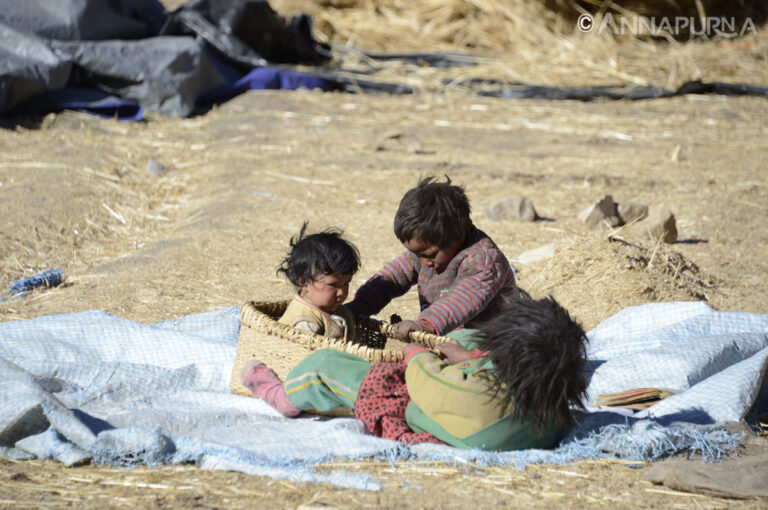
Dress modestly (covering shoulders/knees in villages) to show respect and consideration for the local culture and customs. Circumvent clockwise around the Mani walls, stupas, and monasteries, and while visiting the inside of the monasteries. Use the right hand to eat and give/receive items. Remove your shoes / sandals when entering the kitchen, visiting homes, monasteries and temples. Avoid photographing children when they are alone or without family permission. Dolpo blends Tibetan Buddhism and ancient Bonpo traditions, and respects local festivals like the Shey Festival (held every 12 years) or other regional festivals. For eco practices, carry out trash (and hand it over to your guide on arriving at your camp because there are no waste facilities), use biodegradable products, and avoid plastic bottles (carry a reusable water bottle).
Rent/buy a down jacket/sleeping bag in Kathmandu to save space.

I had always thought that trekking in Nepal required a looong time and that it had to be done in either spring or autumn. That was until a friend told me that it was also possible to do it in winter, and that you can reach places like the Everest...
Read More
[gallery columns="1" link="file" size="full" ids="5878"] [gallery size="full" columns="1" ids="5903"]
Read More
In August 2025, my wife and I decided to take the famous Everest Base Camp trek with Annapurna Treks, and we had a wonderful experience thanks to the company's excellent organization. We had never been to Nepal before, but we knew that during the monsoon season there was a high...
Read More