
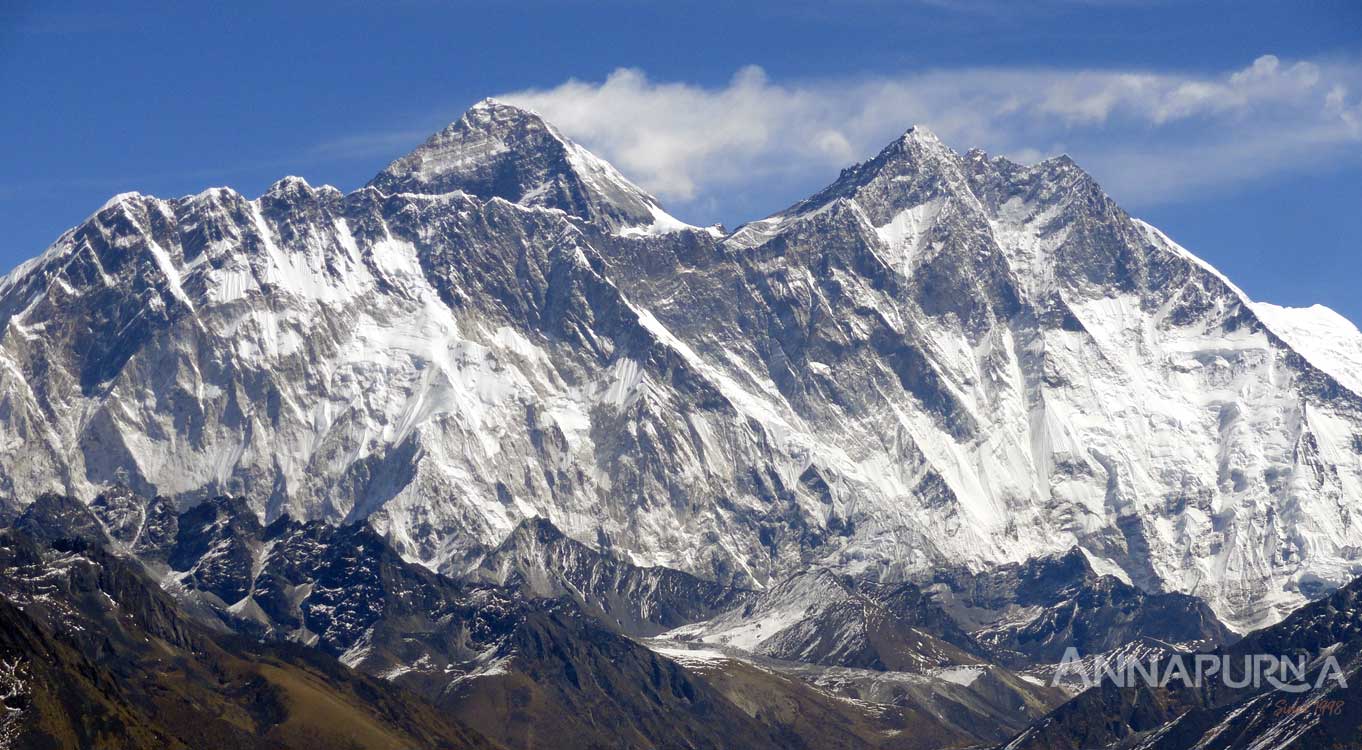
Everest Kala Patthar Trekking Overview The Everest Kala Patthar Trekking is one of the most beautiful and exciting trekking experiences…
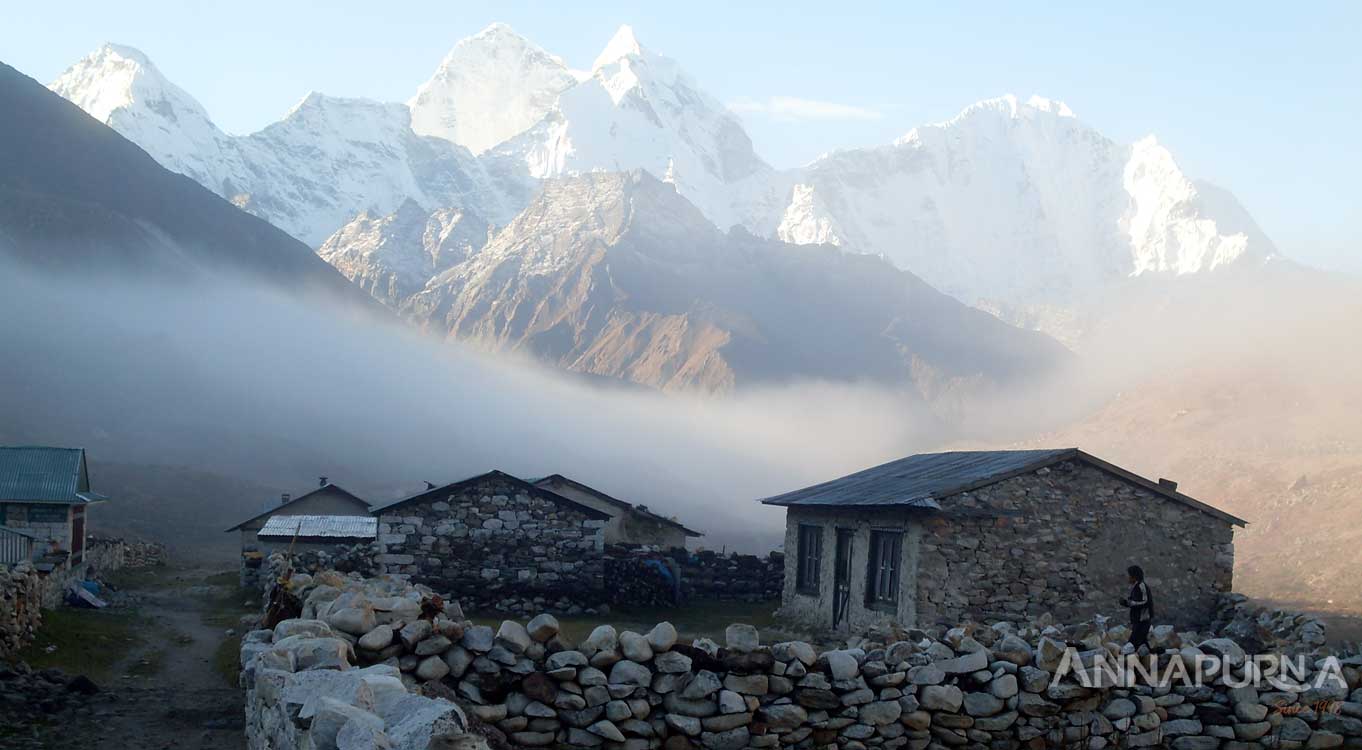
Introduction to the Everest Base Camp & Kala Patthar Trekking Adventure The 16-day Everest Base Camp and Kala Patthar trekking…
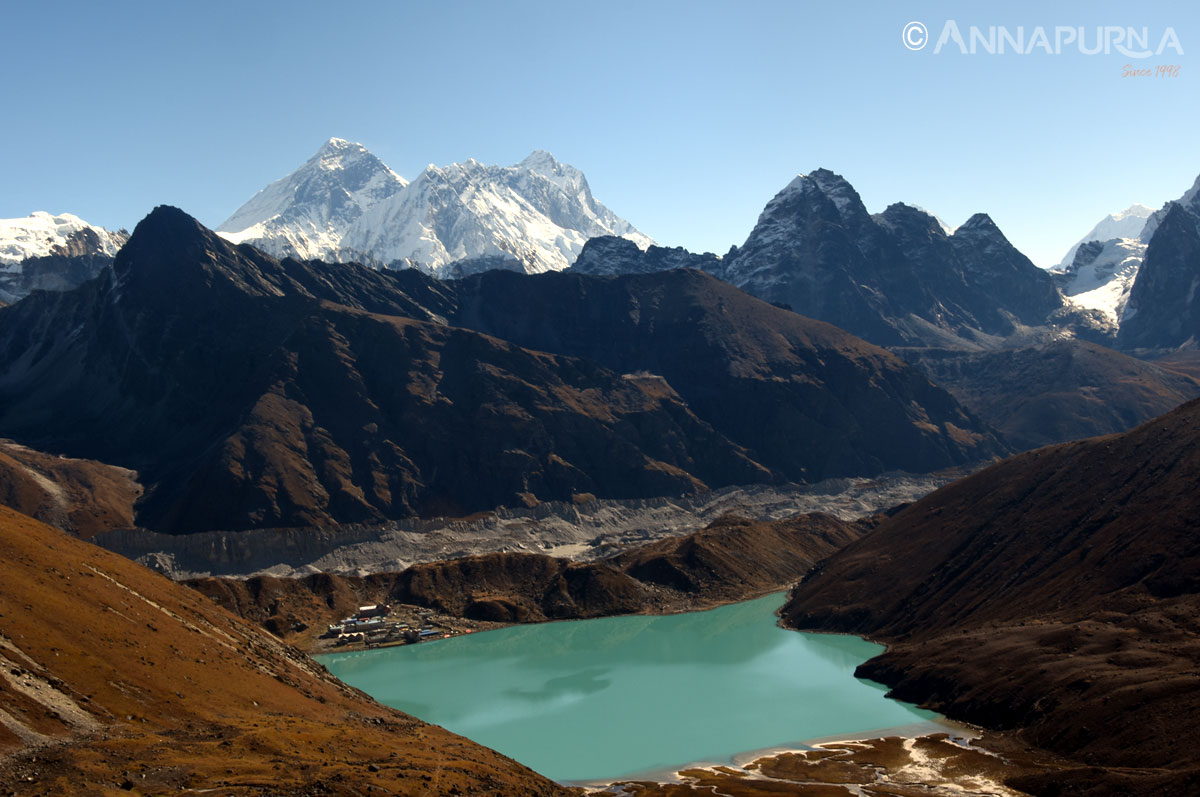
Overview of Gokyo Lake Trek The 15-day Gokyo Lake Trek is a short trekking adventure through the breathtaking Khumbu region…

Everest, the highest mountain on Earth, rises in the eastern part of Nepal, in the Solu-Khumbu region, an area inhabited by the Sherpa people, within the Everest National Park, with an area of 1,148 square kilometres, with an average elevation ranging from 2,845 to 8,848, and is the summit of Mount Everest. The name of the district, Solukhumbu, is composed of Solu, referring to the lower part of Monjo, and Khumbu, referring to the upper part of Monjo. The northern part of Everest, separating from its summit, falls within Tibet and is protected under the Qomolangma National Nature Reserve. Everest National Park is bordered by Makalu Barun National Park, a wild stretch of mountain peaks and deep, densely forested valleys to the east, and Gaurishanker National Park to the west, which extends into the Rolwaling Valley, a well-protected microcosm of cultures and ecology. The central park area is the ancient settlement site of the Sherpa people and remained undisturbed by outsiders, as well as by the central government, for centuries. Tourists entered in 1960, and the National Park was established in 1976, becoming Nepal’s first national park in 1979. Within this national park, various established trekking routes are available, allowing one to take a scenic walk of between 1 and 3 weeks in duration. The significant passes that cross from one valley to another through some of its panorama hill saddles are Renjo La, Cho La, and Kongma La, also known as the three passes of the Everest Region.
Most of the villages in the Everest National Park are the primitive settlements of the Sherpa people. The history relates far back to pre-Buddhist times in China and Tibet. It prospered following the development of Tibetan Buddhism in Tibet in the early 8th century. The Sherpas are followers of Mahayana Buddhism and among the leading followers of Guru Rinpoche (Guru Padmasambhava), the 8th-century Buddhist saint and founder of Tibetan Buddhism in Tibet.
The trail leading north of Thame, crossing the world-famous Nangpa-La pass, is the main pass from which the Sherpas migrated to their current domain from their ancestral land in Kham, one of the most prominent regions in Tibet, around 11 to 13th century. This migration, a significant event in the history of the Sherpas, led them to discover Solu Khumbu as they sought a place of religious refuge motivated by a longing for religious freedom. Since then, they continued to live in the region in peace and harmony. Their living Buddhist practice and the beautiful mountains have attracted many spiritual travellers, trekkers, and mountaineers, and this trend continues. The famous trans-Himalayan trail via Nangpa-La once linked cultural and trans-Himalayan trade between Nepal and Tibet for centuries, and is believed to have been in use since far before the migration of the Sherpas. The Sherpas first settled in the current Junbesi area of Solu and later dispersed to various parts of Solu, Khumbu, Makalu, Kanchenjunga, Rolwaling, Hyelambu, Sikkim, and Bhutan.
The southern part of the district, Solu, is less explored by tourists and retains many traditional characteristics. The Peekye trek and the Dudh Kunda trek are two of the most beautiful destinations, each offering a unique and breathtaking experience. The Peekye Trek, in particular, is one of the most beautiful and easily accessible options, offering a scenic walk of less than a week to two weeks, promising a journey filled with awe-inspiring natural beauty. The Dudh Kunda trek, on the other hand, offers a more challenging adventure with its high-altitude lakes and stunning mountain views, making it a must-visit for hikers and adventure seekers.


