$ / Per Person
This 7-day adventure to Tiger’s Nest Base Camp in Bhutan offers a deep, meaningful experience in the Mahayana Buddhist Kingdom. It is the intersection where the ancient Buddhist culture intertwines with amazing natural landscapes.
The Tiger’s Nest Base Camp offers spiritual upliftment and a full cultural experience for the traveller. To add to their lives by bringing the touches of divine history, spectacular Himalayan scenery, and Bhutanese traditional hospitality.
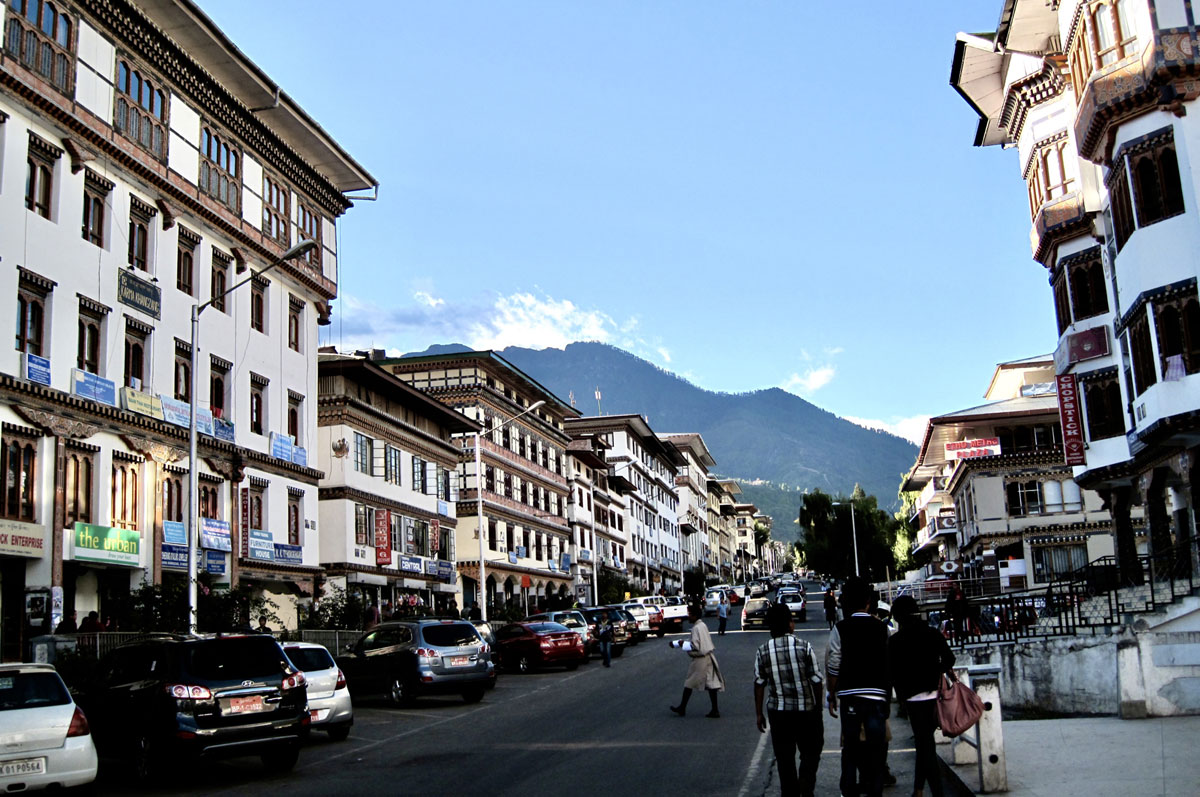
The best thing to do on your trip is take an amazing flight to Paro, where you can view the Himalayan scenery, including the world’s highest mountains. Upon arrival at the airport, your guide greets you and takes you on a tour of Thimphu, the capital city. You have an evening walk and a visit to the craft market as an initial introduction to Bhutanese culture.
The Tiger’s Nest Base Camp is a trip to the country’s spiritual center and scenic highlights.
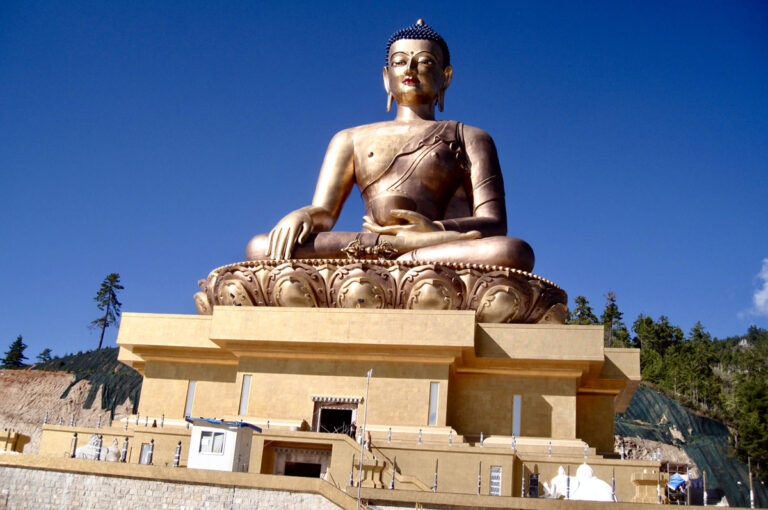
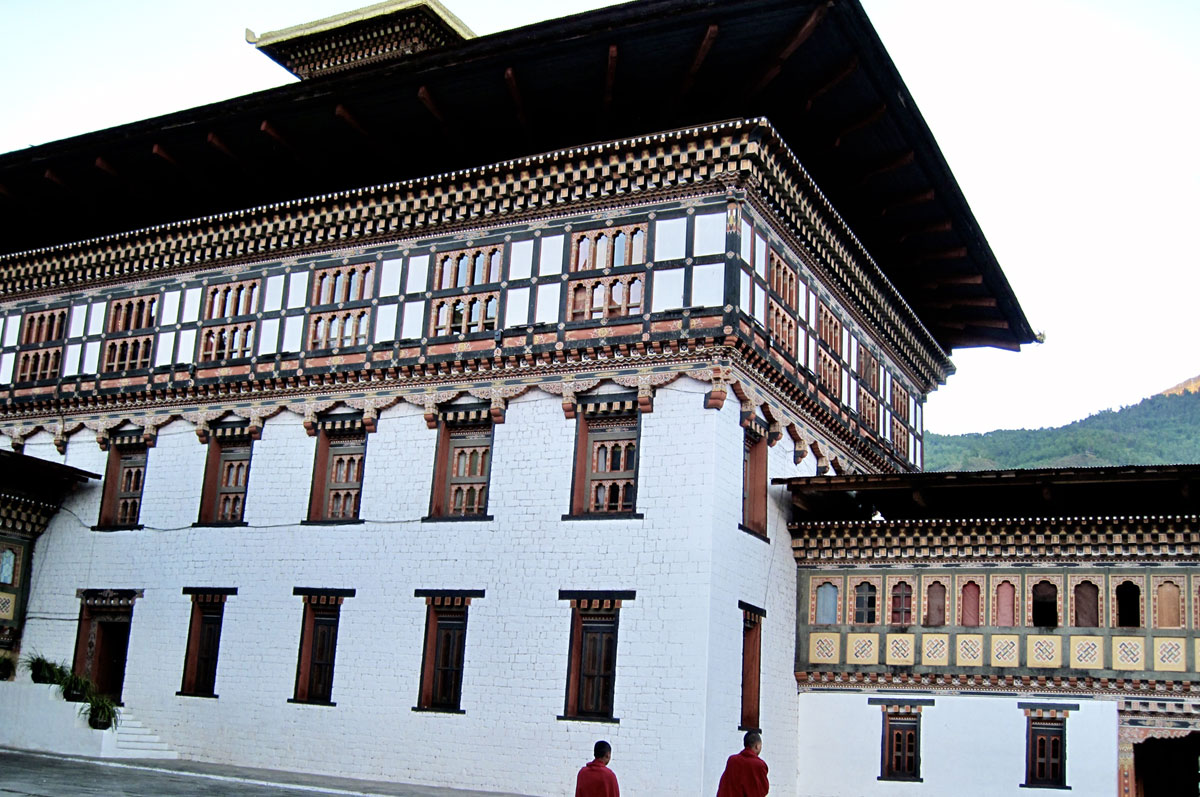
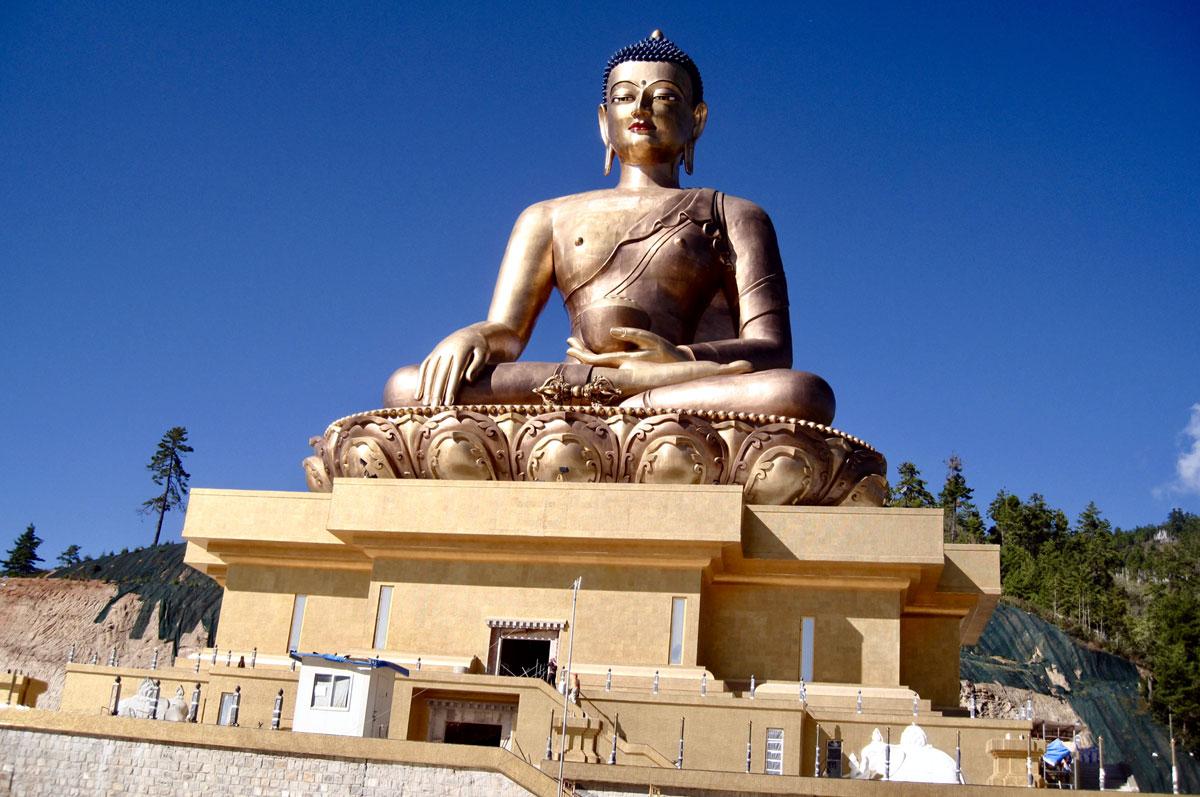
There are also such holy sites as the National Memorial Chorten in Thimphu. In addition, at the Painting School, you can view ancient art, and at the Tashichho Dzong, you can view architectural glory.
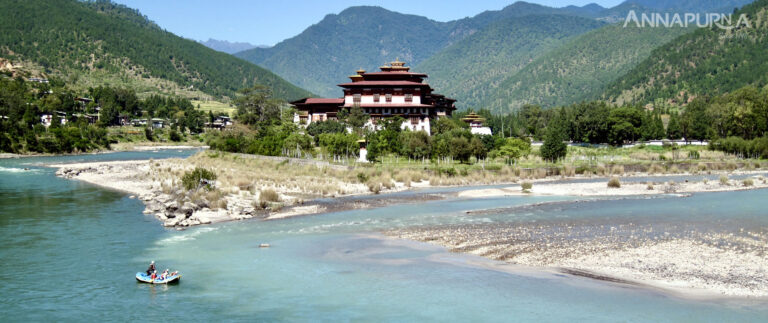
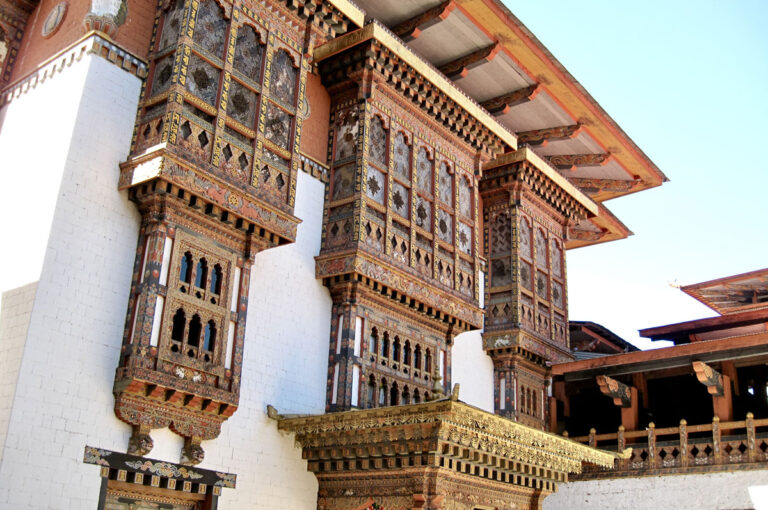
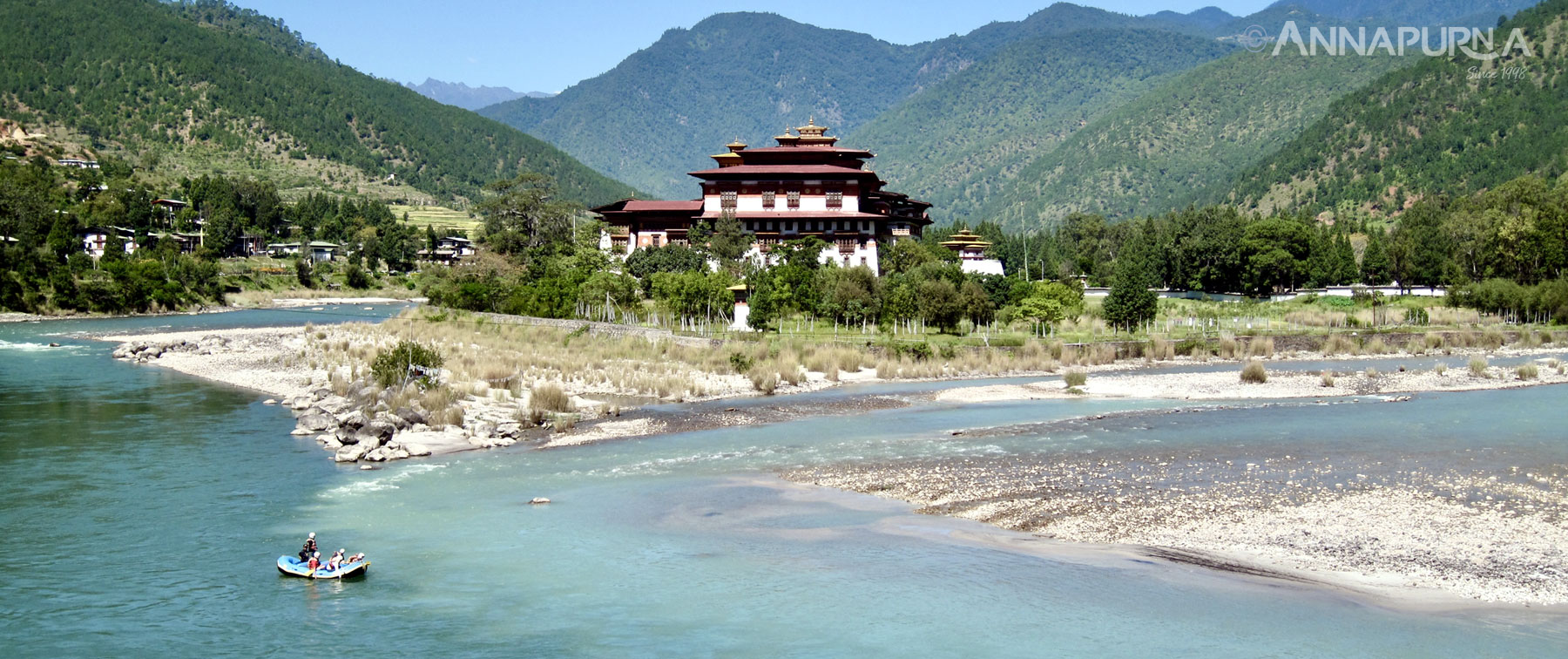
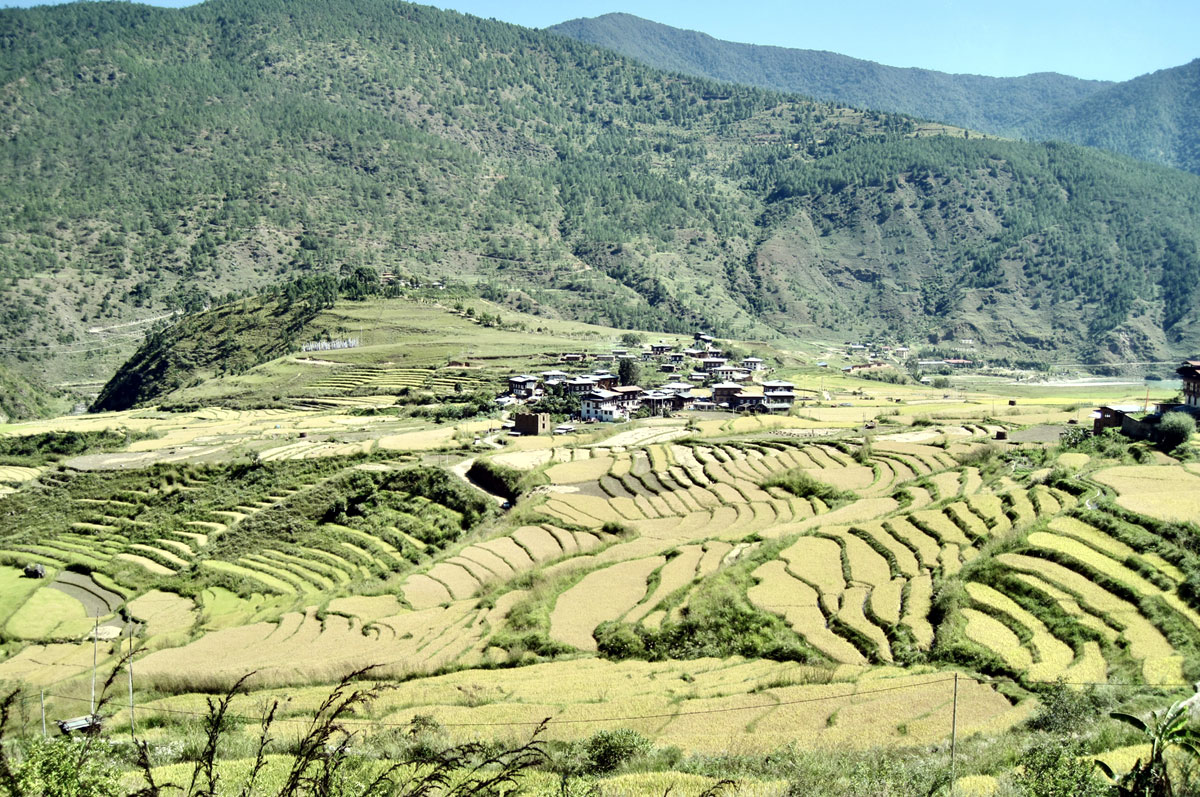
Then it is one of the scenic rides, across the Dochula Pass, to the fertile Punakha Valley. Punakha is where you will find the great Punakha Dzong, a masterpiece of architecture between the two rivers.
Then you continue to the glacial Phobjikha Valley, a significant wildlife conservation area. The valley is also where the sacred black-necked cranes winter.
You visit the ancient Gangtey Monastery in Phobjikha, one of the oldest Nyingma Buddhist monasteries in Bhutan.
Besides, the pilgrimage to the famous Chimi Lhakhang is a spiritual attraction. Chimi Lhakhang is a temple that glorifies the Divine Madman and represents fertility and spiritual freedom.
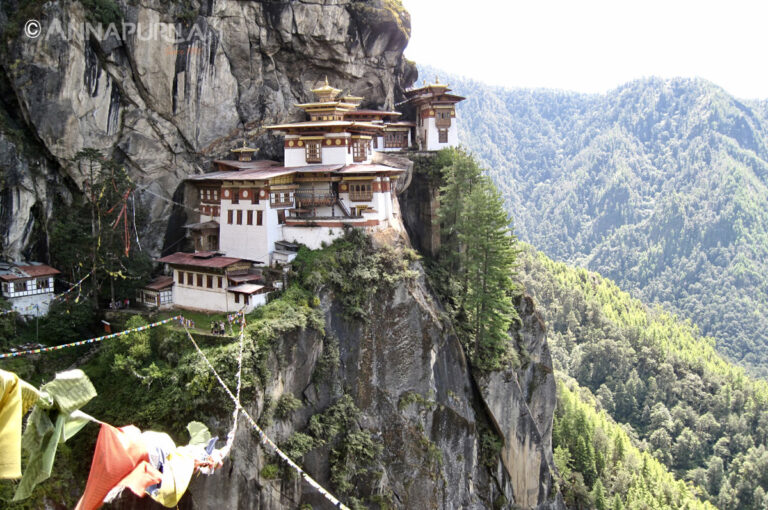
And finally, you walk up to the popular Taktsang Monastery, the Tiger’s Nest. The Tiger’s Nest monastery is dramatically clinging to a cliff above the Paro Valley.
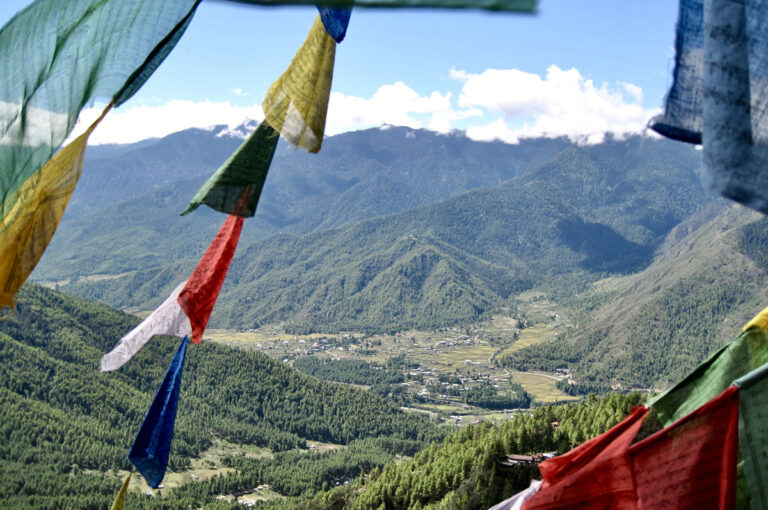
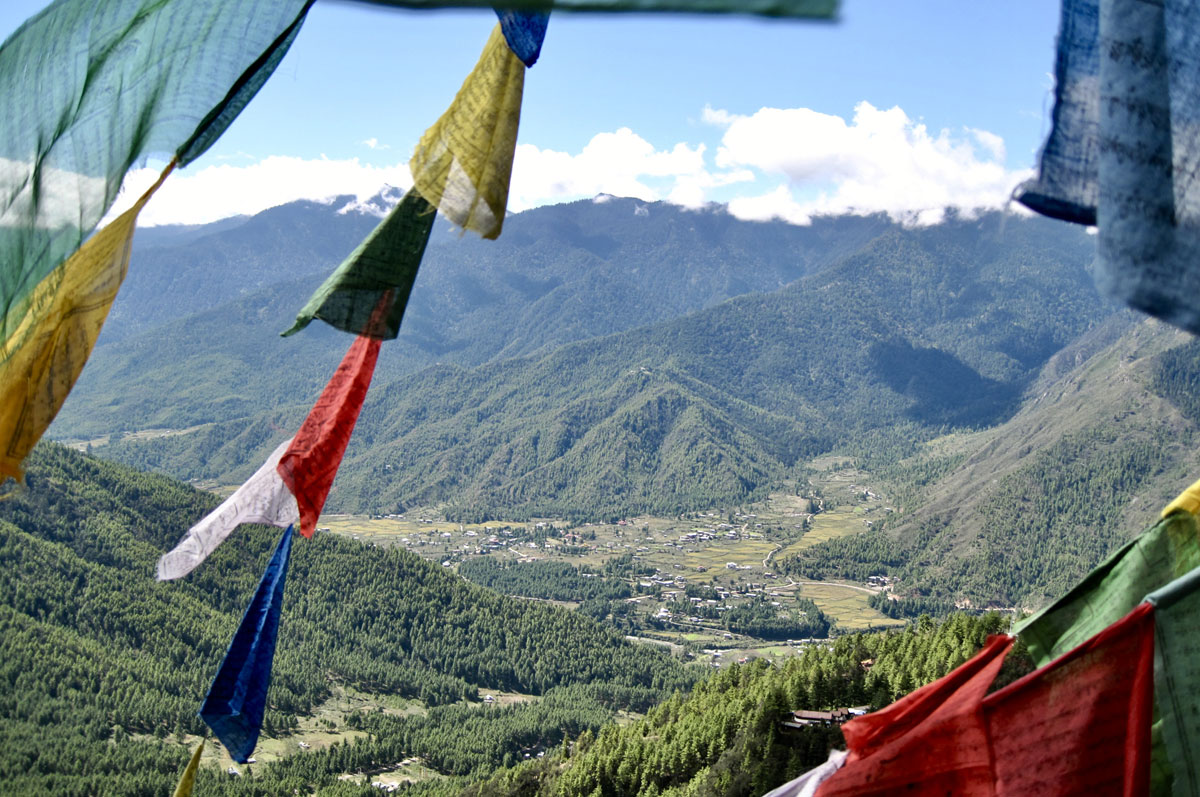
The hike to Taktsang Monastery is a body and a soul-enhancing journey. On the way up, prayer flags fill the mountain trails, and the smell of pine forests surrounds you. The monastery gradually comes into focus, being on a 900-meter (3,000-foot) high cliff.
Legend has it that Guru Rinpoche appeared at this holy place in the 8th century, riding a tigress. He meditated here and brought Buddhism to Bhutan. Therefore, Pilgrims in the Himalayan region today regard it as one of the sacred spots.
A total tiger’s nest base camp itinerary, enticing both the cultural and natural wonders. It ends with a sentimental in-the-drop on a conclusive tune of the calm Paro Valley.
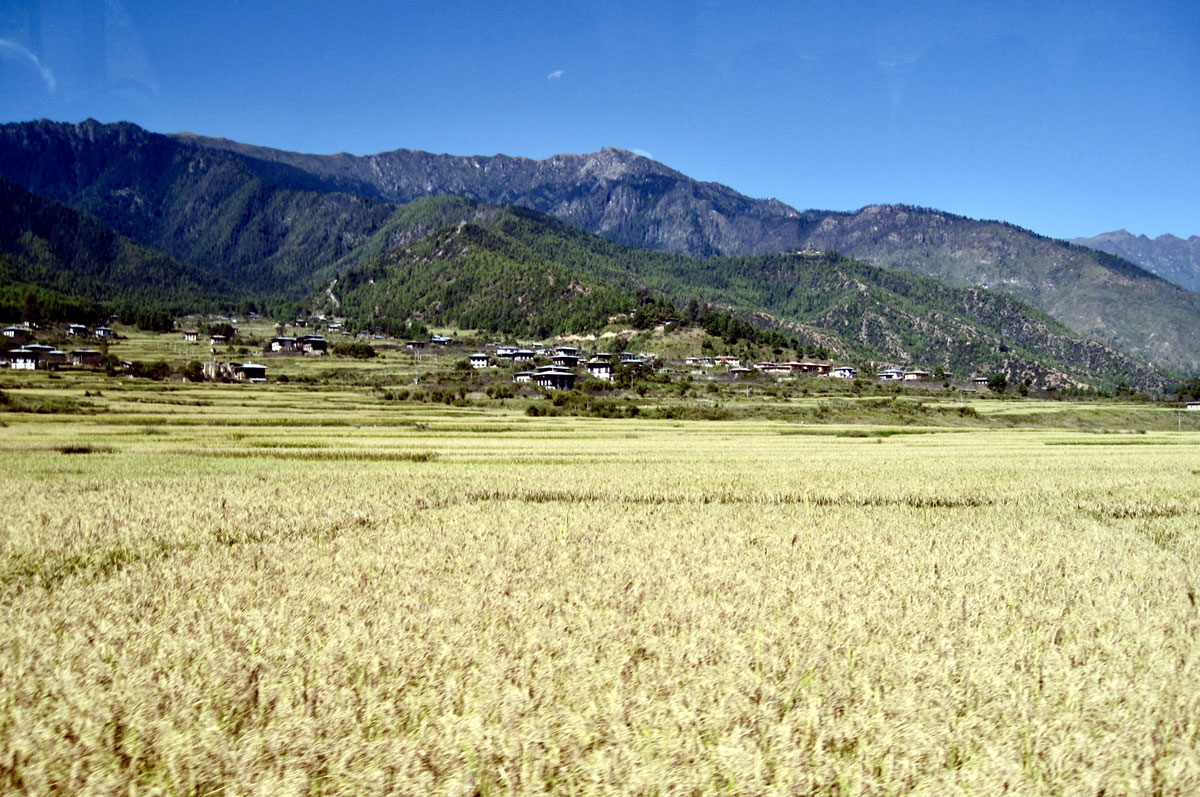
You will visit Paro town, traditional farmhouses, or rest before the flight. You can appreciate the serene nature of the Paro Valley.
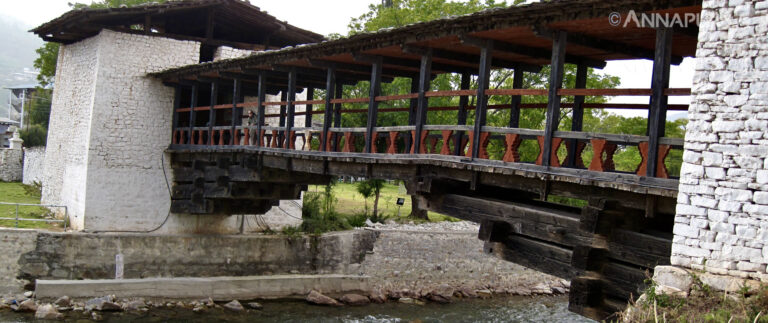
This Tiger’s Nest Base Camp tour includes cultural encounters and a nature marvel. It reveals the other side of Bhutan’s rich heritage, including big dzongs, religious monasteries, serene valleys, and mountains.
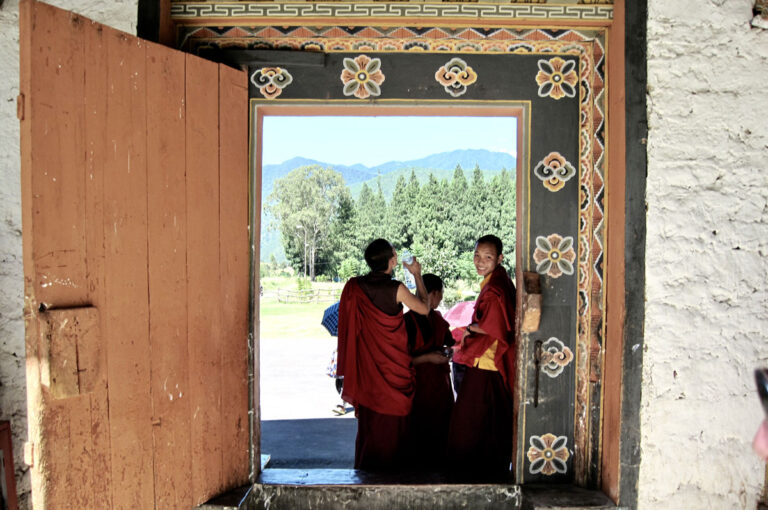
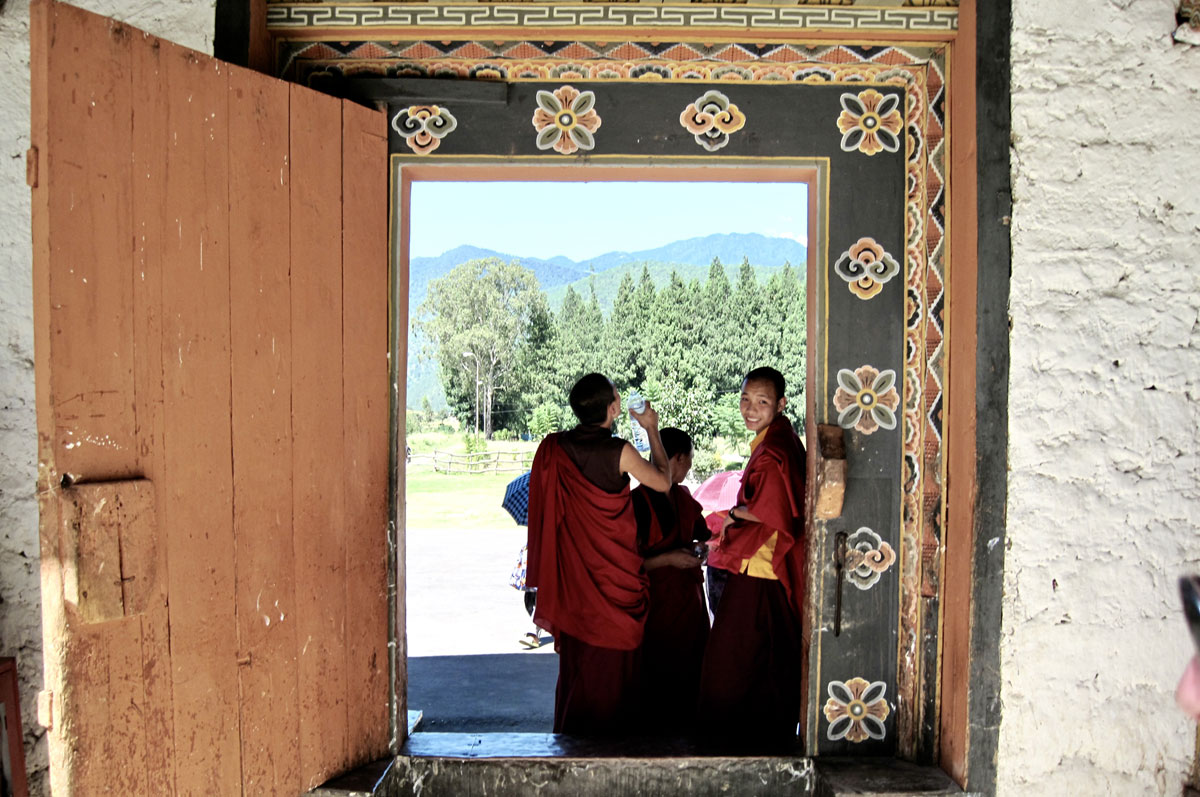
You will not only be persuaded by the visit, but also breathe a spiritual haven, as Bhutan is a place to visit. You still remember how good it was, the chanting of monks, turning the prayer wheels, and the colorful festivals.
To sum up, it all ends in the serene Paro Valley. You say a sweet goodbye to the Land of Thunder Dragon and leave behind you memorable spirituality, culture, and Himalayan beauty.
Having experienced the spiritual moments and the calm views, you go home with the spirit of Bhutan and its ancient wisdom, a reminder of how a great experience can change your life.
For a day-to-day itinerary, hotel information, customised programs, or anything else related to your travel plan. Please get in touch with annatreks@gmail.com or WhatsApp/Message at +977 985 10 30619. You can also message us on Facebook.
Spiritual Pilgrimage: Visit the legendary Tiger’s Nest Monastery, a sacred site clinging to a cliff, and receive blessings at the fertility temple of Chimi Lhakhang.
Wildlife & Wilderness: Experience the pristine, protected ecosystem of the Phobjikha Valley, home to the rare and majestic Black-necked Cranes.
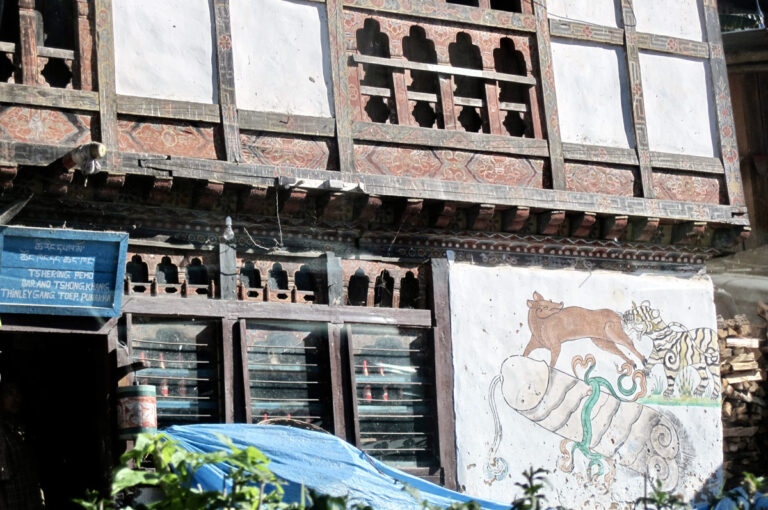
Cultural Immersion: Dive deep into Bhutan’s living culture, from ancient Dzongs and traditional painting schools to vibrant craft markets and goldsmith workshops.
Panoramic Majesty: Witness breathtaking Himalayan vistas from the Dochula Pass and the ruins of Drugyel Dzong, with views of the sacred Mount Jomolhari.
Fly into Paro, drive to Thimphu, and visit the evening craft market. Overnight in Thimphu
National Memorial Chorten, Painting School, Tashichho Dzong, Handicraft Emporium. Enjoy a traditional Bhutanese meal at a local restaurant. Overnight: Thimphu
Scenic drive via Dochula Pass, followed by a visit to Punakha Dzong. Overnight in Punakha
Drive to Phobjikha Valley, visit Gangtey Monastery, and observe Black-necked Cranes. Overnight in Phobjikha Valley
Visit Chimi Lhakhang Temple, drive to Paro, and explore the Ta Dzong National Museum. Overnight in Paro
View Drugyel Dzong and Mt. Chomolhari, hike to Taktsang Monastery. Overnight in Paro
Farewell and flight from Paro to Kathmandu.
The tour of the mystical, happiness-focused, and profoundly spiritual serenity of the Bhutanese kingdom is not a typical tourist destination. It famously measures its success by Gross National Happiness (GNH) rather than GDP. This policy translates into a “High Value, Low Volume” tourism philosophy, ensuring that tourism is sustainable, culturally respectful, and benefits the local people and environment. Understanding and respecting its unique policies and culture will assure you of an enriching and transformative experience. To make your trip to Bhutan a privilege, please follow the following essentials.
|
October – November |
Clear skies, perfect mountain views, pleasant temperatures. |
|
March – April |
Rhododendrons are in bloom and warm days, making it an excellent time for festivals such as the Tsechu in Paro. |
|
December – February |
Cold, especially in the mountains, but the skies are often clear. Suitable for bird watching. |
|
June – August |
Landscapes are lush and green, but rain can disrupt travel and obscure mountain views. |
|
Visa |
Visa requirements for Bhutan are pre-arranged and included in the package cost. |
|
Sustainable Development Fee (SDF) |
All tourists are required to pay a daily SDF fee of USD $100 per person per night. The SDF fee goes directly to the government to fund free education, healthcare, poverty alleviation, and environmental conservation. It is not for your tour services. |
|
Package Tour Cost |
Depends on the tour/trek type (consult with us or with your tour operator. |
|
Base hotel |
3-star accommodation (upgrades available with a supplement) |
|
Package includes |
The all-inclusive package covers all meals, a licensed Bhutanese tour guide, a private vehicle and driver, as well as all internal transportation and sightseeing. However, it’s advisable to carry some cash (USD is easily exchangeable) for souvenirs, drinks, and tips. |
|
Currency |
In Bhutan, vendors accept the Bhutanese ngultrum (BTN) and the Indian rupee (INR) |
|
Language |
Dzongkha is the national language. The tourism industry widely uses the English language.. |
|
Internet & Connectivity |
Wi-Fi is available in most hotels, but it can be slow. You can buy a local SIM card (from TashiCell or Bhutan Telecom) at the airport for better data connectivity. |
|
Food |
Ema Datshi (chilli and cheese stew) is the national dish. Food is often spicy. Most tours include a mix of Bhutanese and international cuisine. |
|
Health |
No mandatory vaccinations exist, but health officials recommend staying up-to-date on routine vaccines. Stick to bottled water. Be cautious with street food. |
|
Shopping |
Look for high-quality handicrafts, textiles, and handmade paper. Remember to get an official export permit for any antique religious items. |
|
Physical Level/Grade |
Easy to moderate, the activity involves some walking on uneven terrain, short walks and step climbing at temples and dzongs, and the hike to Tiger’s Nest monastery (but optional). |
|
Booking |
Book in advance to secure flight seats (April and October). |
|
Season |
Recommendations |
|
March – June |
Light layers, waterproof jacket, sun protection |
|
September – January |
Similar to spring, warmer layers for evenings |
|
February |
Down jacket, thermal layers, waterproof outer shell, insulated gloves, hat |
|
July – August |
Waterproof everything, quick-dry clothing |
|
Headwear |
Sun hat, beanie, buff/neck gaiter |
|
Handwear |
Lightweight and heavyweight gloves (waterproof outer gloves for winter) |
|
Footwear |
Comfortable hiking boots (waterproof, ankle-supporting, and well-broken-in) |
|
Socks |
Woollen hiking socks (2 pairs) and liner socks. |
|
Base Layer |
Moisture-wicking thermal tops and bottoms (merino wool or synthetic) |
|
Mid-Layer |
Fleece jacket or pullover, insulated down/synthetic jacket |
|
Outer Layer |
Waterproof and windproof jacket and pants |
|
Backpack |
20–30L daypack (for short day hikes) |
|
Sunglasses |
UV-protected. |
|
First Aid Kit |
Bring personal medicines + basic first aids. |
|
Toiletries |
Biodegradable soap, toothpaste, quick-dry towel, wet wipes, hand sanitiser |
|
Regular Esstential |
High SPF (50+) due to strong UV at altitude, Sunscreen & Lip Balm |
|
Electronics |
Power bank, solar charger, camera, mobile |
Bhutanese are deeply religious and gentle people. To show respect for their culture, walk clockwise around stupas and chortens. It is disrespectful to point your finger at sacred objects or people; instead, gesture with your whole hand. Remove your hat and shoes/sandals when entering the homes of elders, monasteries, Dzongs, and temples. Dress modestly, especially when visiting dzongs (fortresses) and temples. Wear long pants/trousers and shirts that cover the shoulders. It is polite to give/receive anything with both hands. And ask permission before photographing people; see signs indicating ‘no photo’ in temples/monasteries. Avoid photographing children when they are alone or without family permission. Avoid public displays of affection.
Please inquire at annatreks@gmail.com

I had always thought that trekking in Nepal required a looong time and that it had to be done in either spring or autumn. That was until a friend told me that it was also possible to do it in winter, and that you can reach places like the Everest...
Read More
[gallery columns="1" link="file" size="full" ids="5878"] [gallery size="full" columns="1" ids="5903"]
Read More
In August 2025, my wife and I decided to take the famous Everest Base Camp trek with Annapurna Treks, and we had a wonderful experience thanks to the company's excellent organization. We had never been to Nepal before, but we knew that during the monsoon season there was a high...
Read More