$ / Per Person
This short 15-day Himalayan Cultural Expedition covers the most fascinating parts of Nepal and Tibet. Designed for travelers seeking meaningful experiences that blend history, spirituality, architecture, and breathtaking mountain landscapes. From the colourful Kathmandu Valley to the mystical Tibetan plateau, the journey offers a unique, singular adventure as it visits two ancient Himalayan Civilizations in one seamless progression.
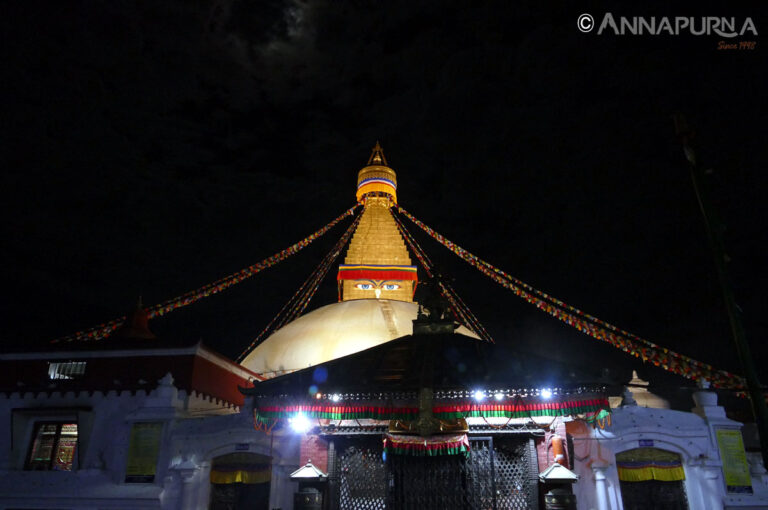
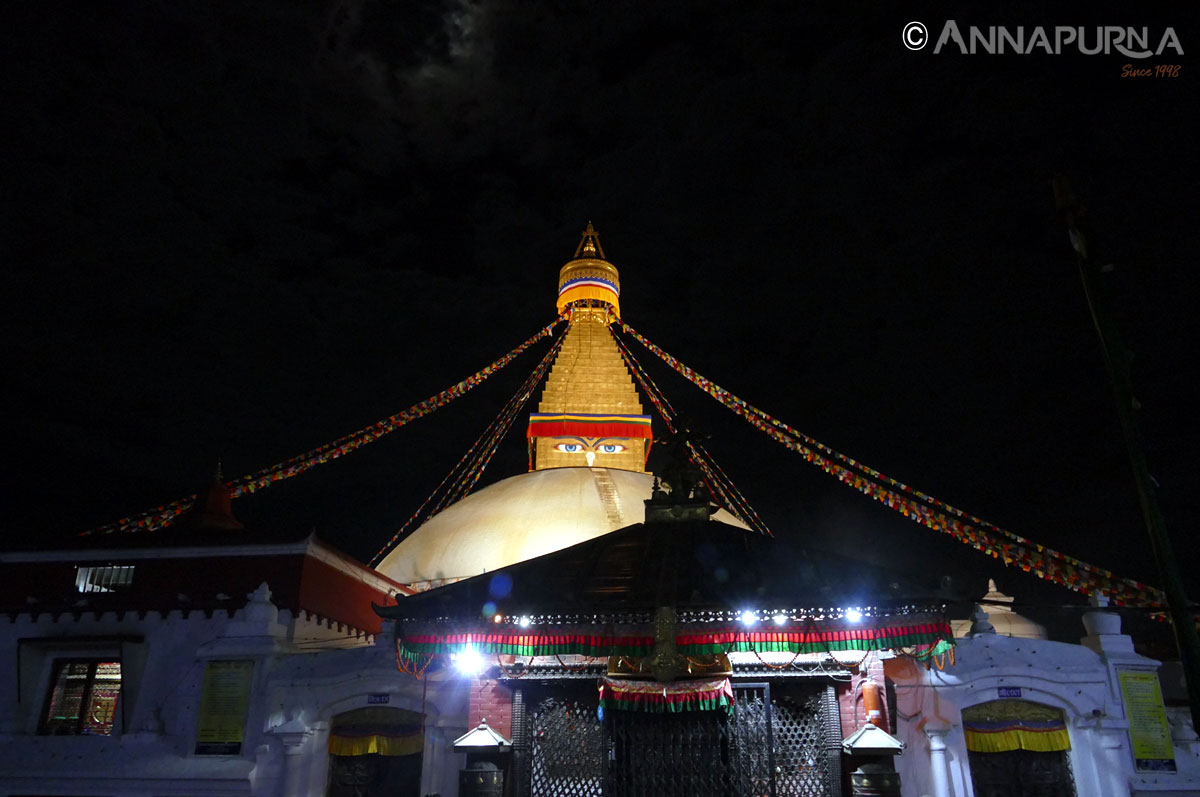
Your journey begins in Kathmandu, the historic and spiritual heart of Nepal. The city symbolises a sprawl of 90-odd sacred temples, booming markets, and the age-old traditions. Here you will visit UNESCO sites like the most revered Swayambhunath Stupa, Kathmandu Durbar Square, Pashupatinath temple, and Boudhanath Stupa, which are iconic and not to miss each time you are in Nepal; their unknown attractions do not fade even if you visit hundreds of times, rather they increase. These sacred places reveal the deep spiritual and historical roots of Nepalese culture and offer travelers a meaningful introduction to this unforgettable cultural expedition.
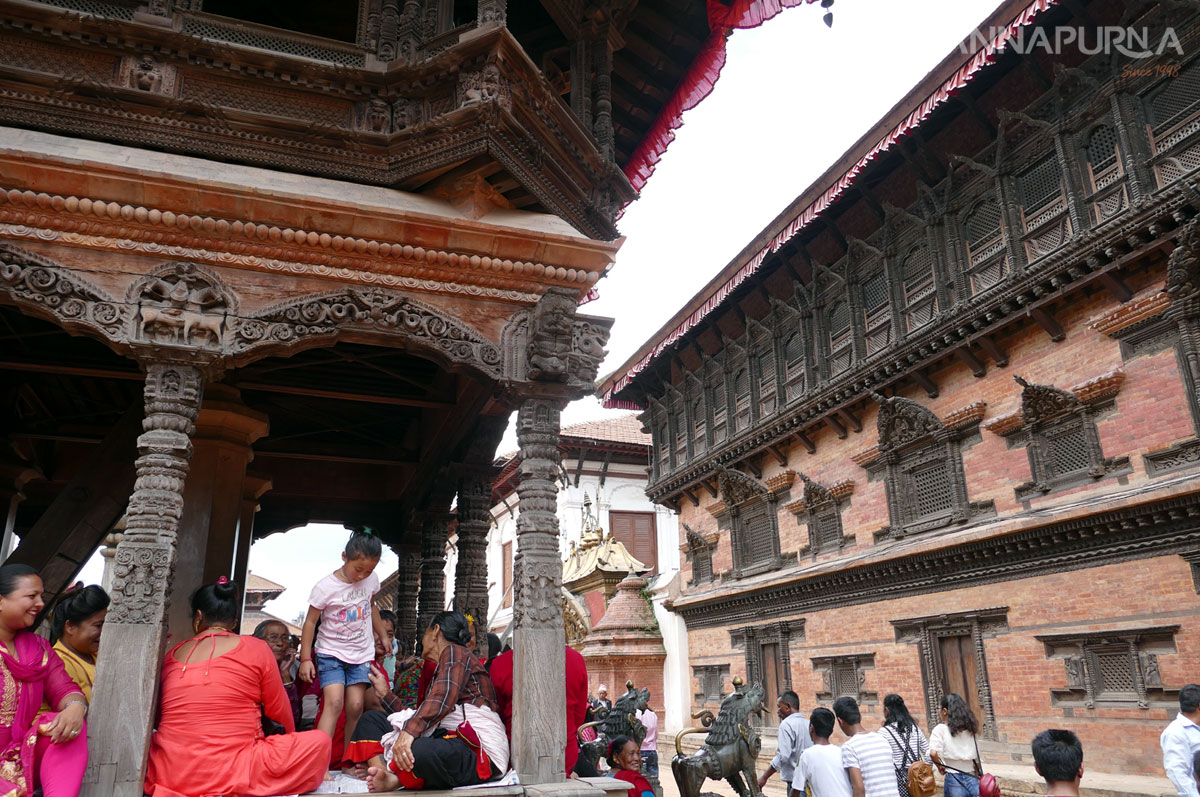
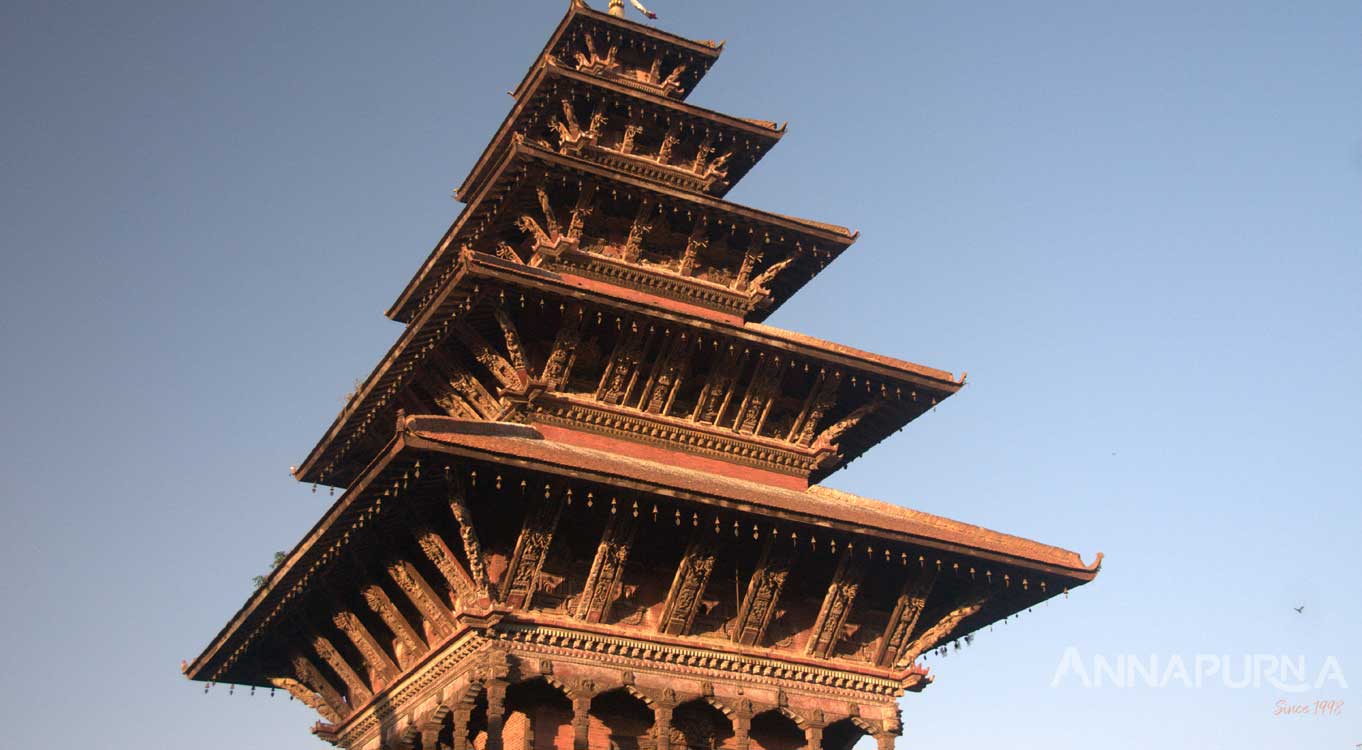
Continuing your cultural expedition, you will explore the medieval cities of Patan and Bhaktapur in the Kathmandu Valley. These historic towns include the best of traditional architecture, fine works on metal, stone, and wood, and preserved palace squares. Walking through narrow brick streets and temple courtyards, visitors experience living traditions, the bedrock of daily life for centuries, making this stage of the cultural expedition both a learning and an inspiring experience.
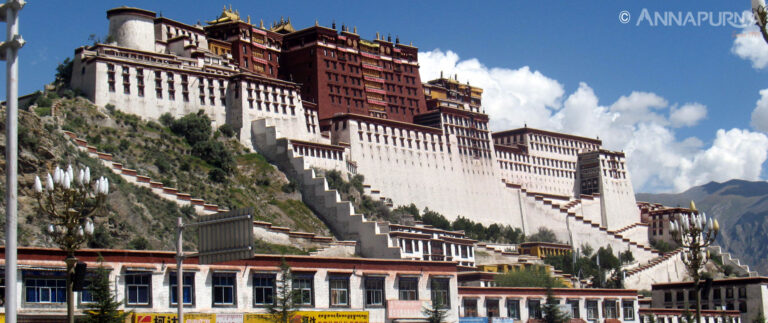
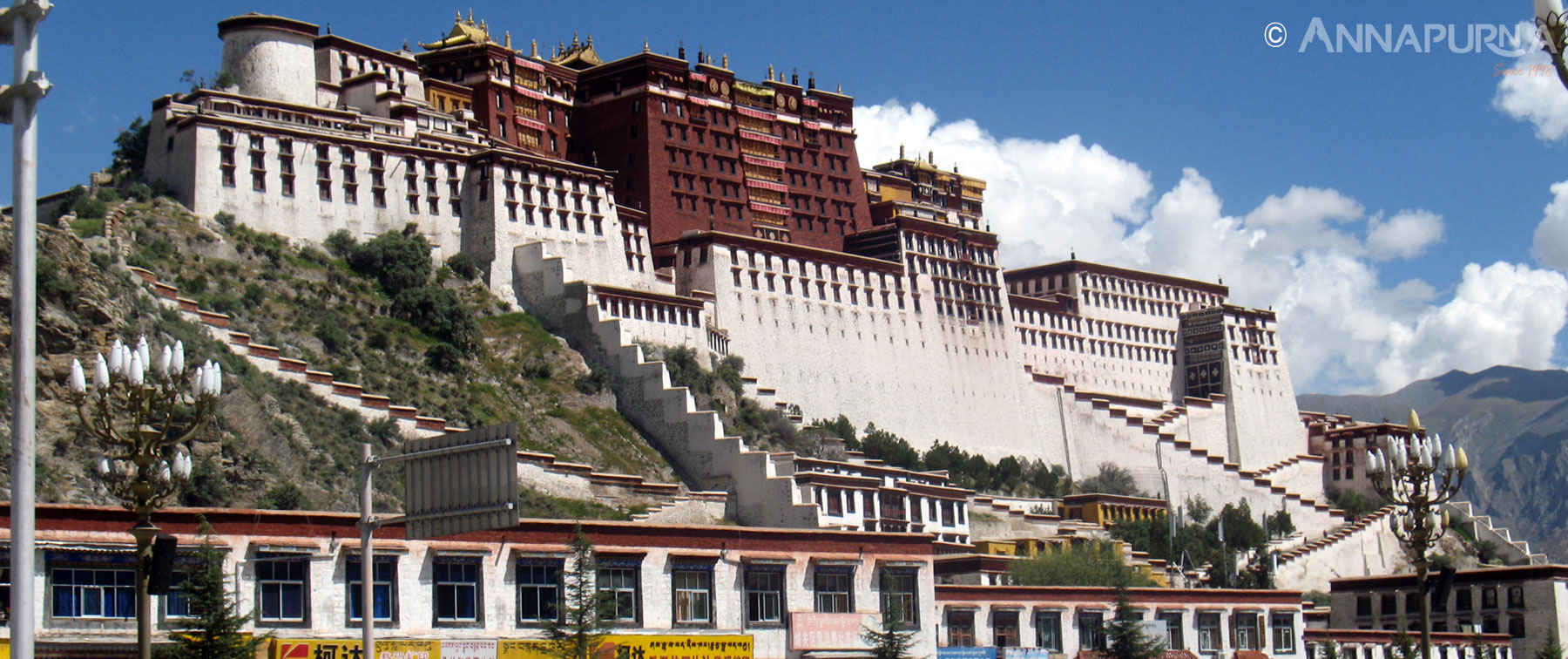
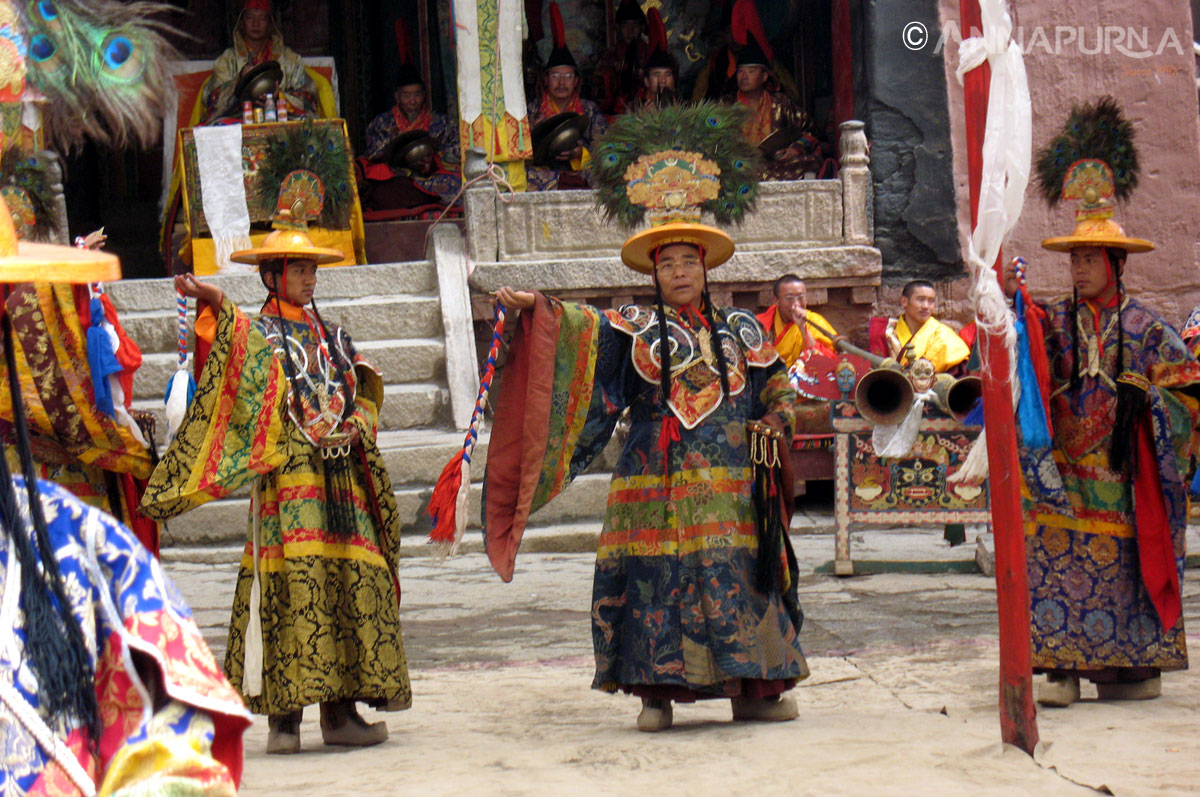
A scenic mountain flight across the Himalayas transports you into Tibet, opening an exciting new chapter of the cultural expedition. In Lhasa, the capital of Tibet, visitors encounter a deeply spiritual atmosphere as they ramble through iconic sites such as Jokhang and the Potala Palace. The iconic Potala Palace of the Dalai Lamas gives a Tibetan architectural Identity. At Jokhang Temple and Barkhor Square, you get lost amongst Tibetan pilgrims performing ancient rituals that reflect the living faith of Tibetan Buddhism, enriching this extraordinary expedition.
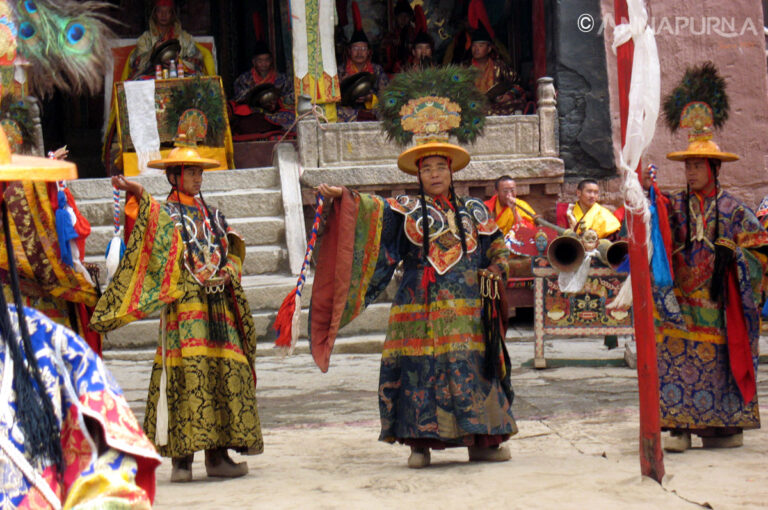
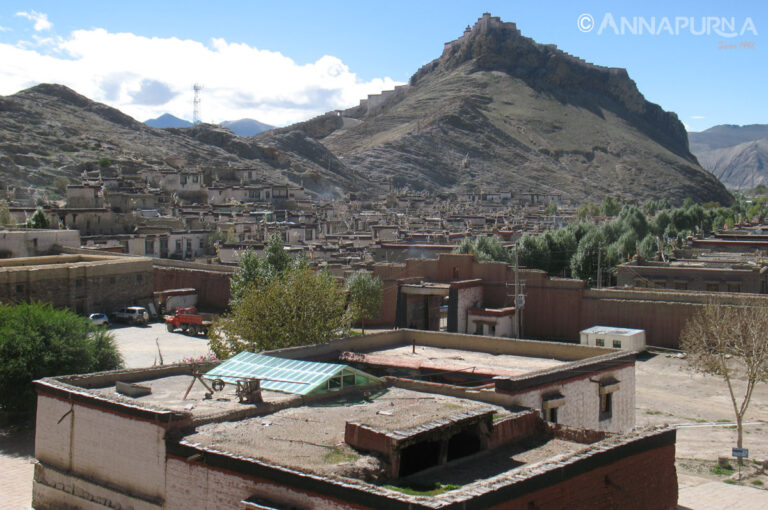
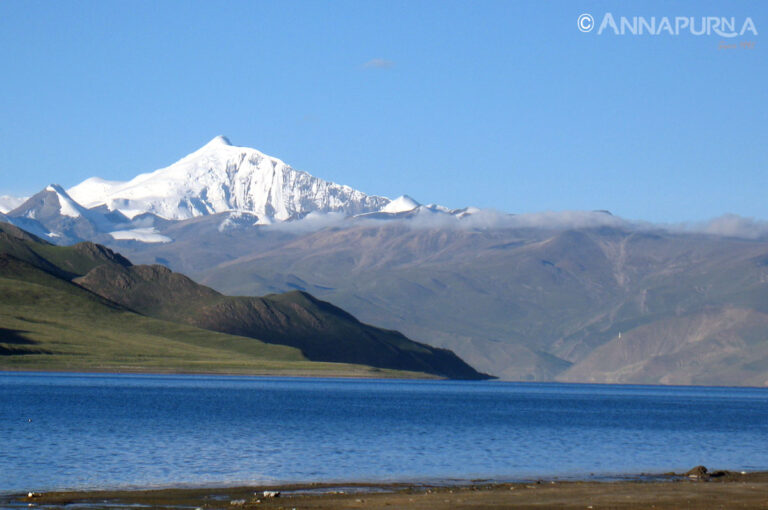
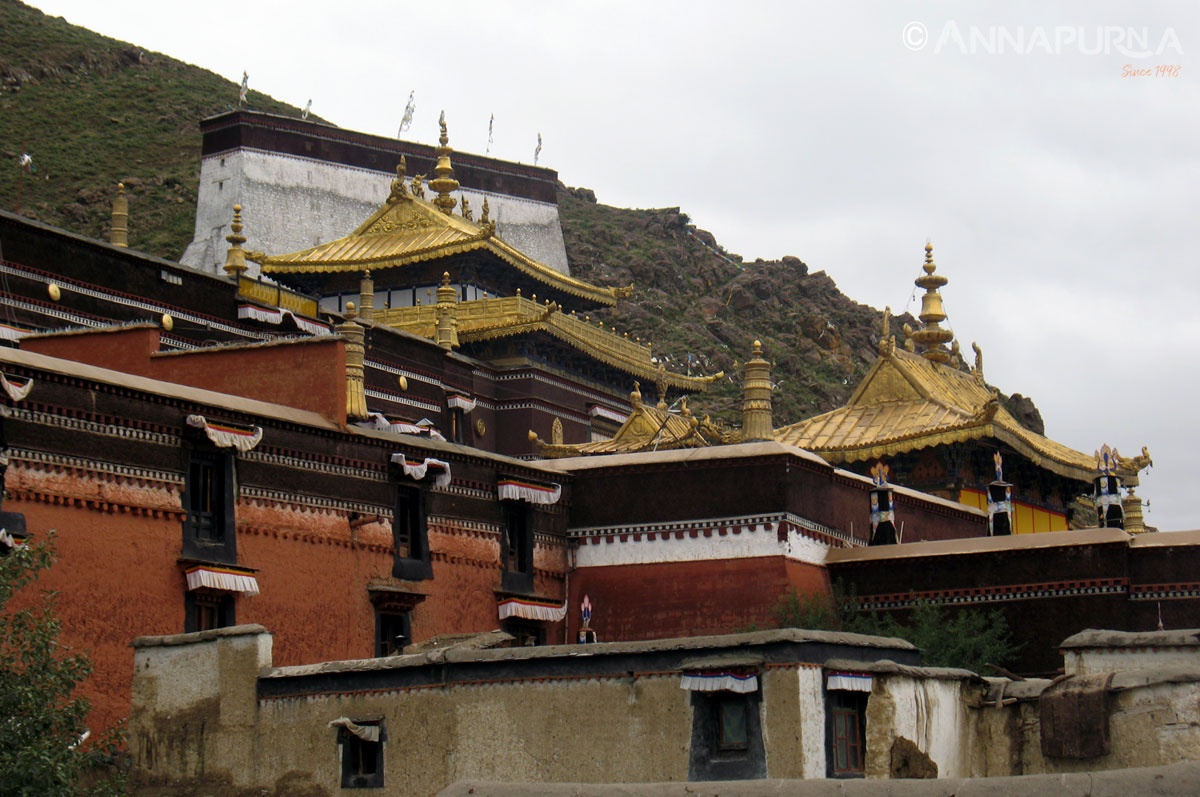
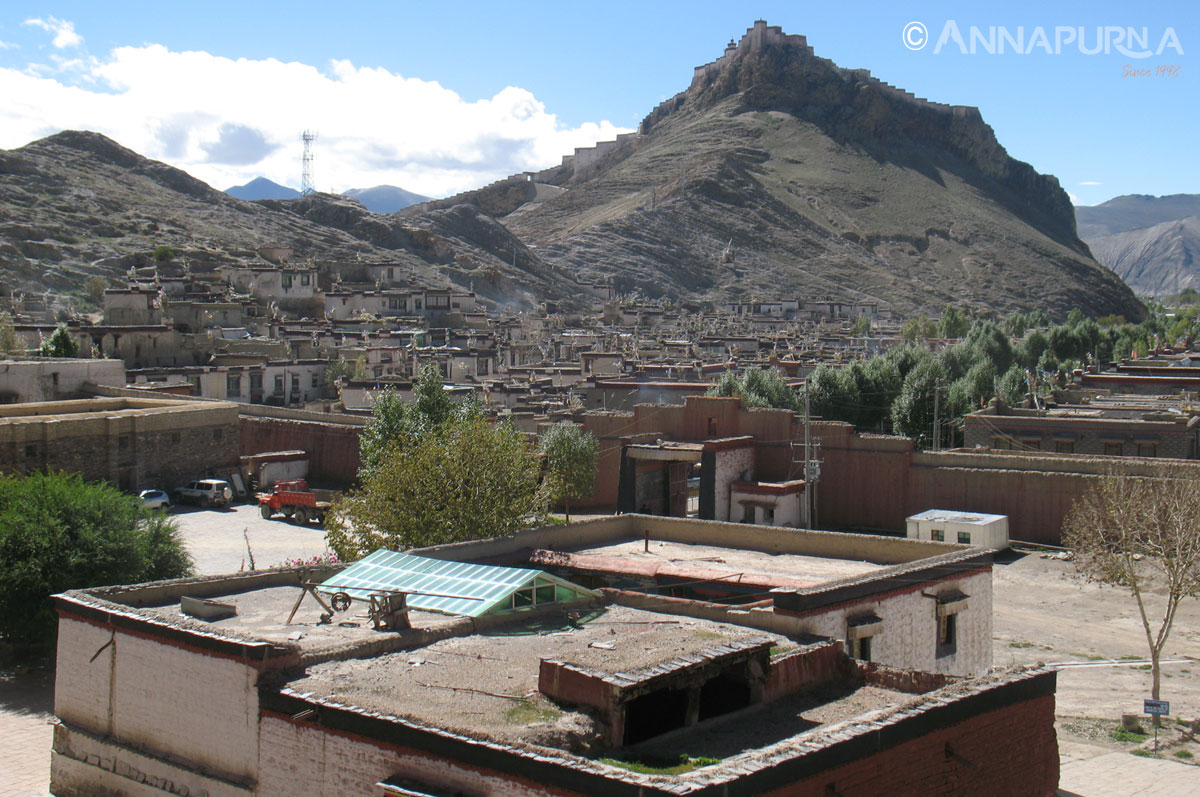
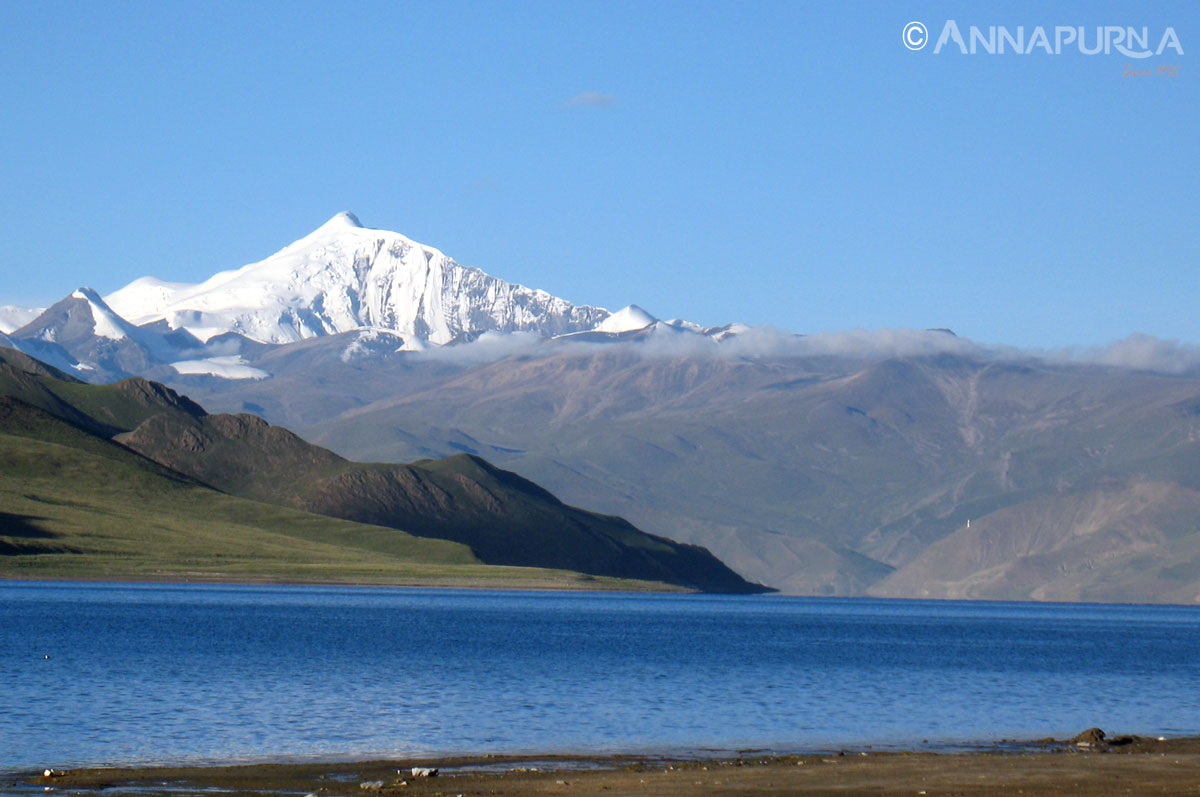
As the cultural expedition continues across the vast Tibetan plateau, travelers pass spectacular landscapes including the turquoise waters of Yamdrok Lake and dramatic high mountain passes. Visits to historical monasteries at Gyantse, Shigatse, and Sakya offer an insight into the monastic traditions, philosophy, and art of Tibet. Each stop reveals new stories, cultural treasures, and natural and human landscapes that define this unique expedition.
One of the most powerful moments of this cultural journey is the visit to the North Face Everest Base Camp. Standing under the shadow of Mount Everest is a very humbling experience. The grandeur of Everest standing before you, combined with the spiritual atmosphere of Rongbuk Monastery at its foot, makes this moment the true pinnacle of the Himalaya and a cultural expedition
The Himalayan Cultural Expedition concludes with a scenic drive back into Nepal, bringing this unforgettable cultural expedition across the Himalayas to a closing phase. This journey is ideal for all, including the cultural explorer, photographer, spiritual seeker, and action adventurer. This short, phenomenal trip creates an in-depth connection with Nepal and Tibet. It offers a deep understanding of diverse traditions of Nepal and Tibet, Hindu and Buddhist, geography variations of the Himalayas, history, and the importance of spirituality and culture in daily life.
For a day-to-day itinerary, hotel information, customised programs, or anything else related to your travel plan. Please get in touch with annatreks@gmail.com or WhatsApp/Message at +977 985 10 30619. You can also message us on Facebook.
Cultural Expedition: Dive deep into the spiritual heart of two ancient lands, from the Hindu and Buddhist tapestry of Kathmandu’s medieval cities to the profound monastic life of Lhasa.
Iconic Pilgrimage Sites: Stand in awe at Tibet’s most sacred shrines, including the Jokhang Temple and the monumental Potala Palace, and witness devout pilgrims on the Barkhor circuit.
A Journey to the Roof of the World: Experience the humbling scale of the Himalayas with a drive to the North Face of Mt. Everest, standing at the world’s highest base camp.
Architectural Wonders: Explore a stunning array of UNESCO World Heritage sites, from the pagodas of Bhaktapur to the unique Kumbum Stupa and the fortress-like Sakya Monastery.
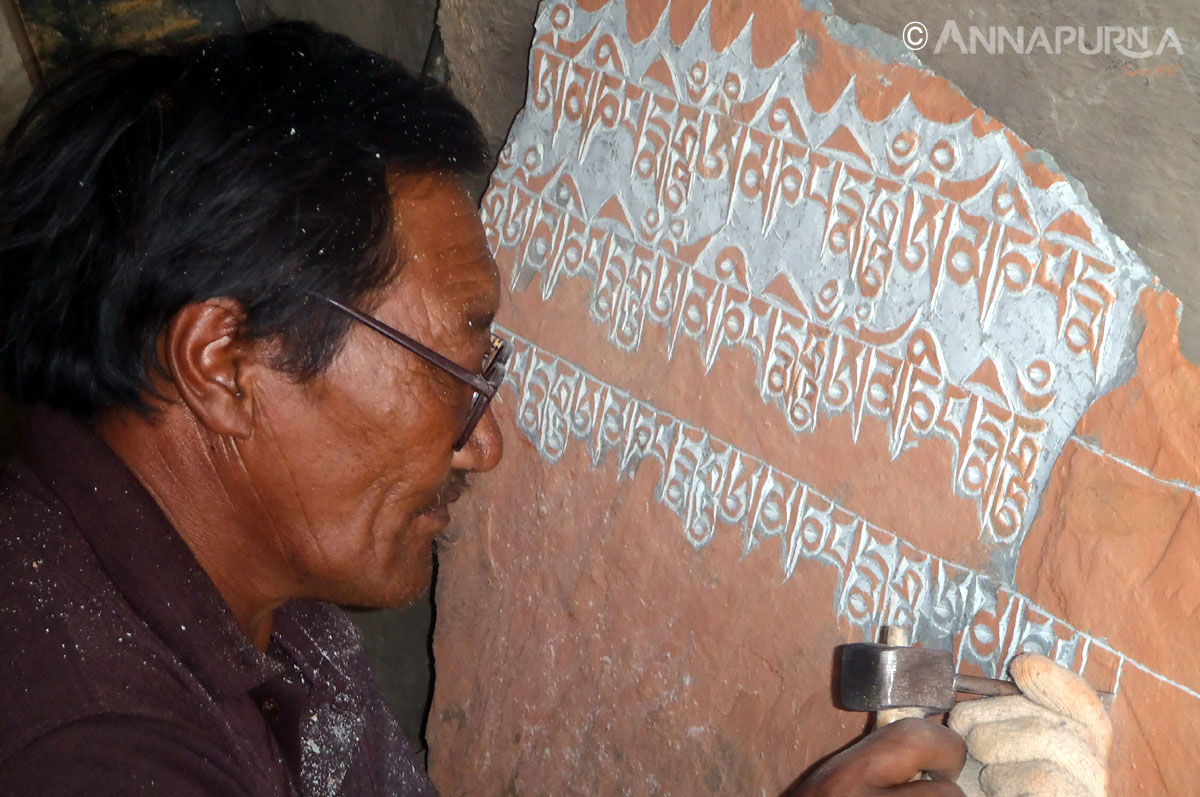
Living History & Local Life: Goes beyond monuments; includes vibrant market walks (Ason Bazaar), meet living goddess Kumari, pilgrim circuits (Barkhor Kora), and village explorations (Dingri) for authentic experiences.
Sacred Landscapes: Witness the breathtaking turquoise beauty of Yamdrok Lake and traverse high Himalayan passes for panoramic views of the world’s tallest peaks.
Traditional welcome, trip briefing, and time to immerse yourself in the vibrant and ancient heart of Nepal.
Visit the ancient Swayambhunath Stupa for valley views. Explore the royal Patan Durbar Square and meet the Kumari, Kathmandu’s living goddess.
See the Chobar Gorge and Dakshinkali Temple. Visit Pharping’s sacred caves and monasteries. Explore the preserved medieval hilltop village of Kirtipur.
Fly for 1:20 minutes and drive 85 km for 1 hour. Scenic flight to the “Roof of the World.” Acclimatise to the high altitude with a gentle drive into Lhasa.
Explore Tibet’s most sacred site, the Jokhang Temple. Marvel at the monumental Potala Palace. Walk the pilgrim circuit of Barkhor Street.
Visit Drepung Monastery, once the world’s largest. Witness the lively philosophical debates among monks at Sera Monastery.
Drive for 265 km/6-7 hours. Drive along the stunning, turquoise Yamdrok Lake. Visit the legendary Samding Monastery. Cross the high Karola Pass (5,045 m).
Drive for 92 km 2 hours. Explore Gyantse’s Kumbum Stupa, a 100,000-image marvel. En route, see ancient murals at Shalu Monastery. Visit the colossal Tashilhunpo Monastery in Shigatse.
Drive for 244 km 6 hours. Discover the unique, fortress-like Sakya Monastery. Enjoy your first potential roadside view of Mt. Everest.
Drive 200 km round-trip/5-6 hours. Experience breathtaking Himalayan views from Pang La Pass (5,000 m). Stand in awe before the North Face of Mt. Everest at Base Camp. Visit the world’s highest monastery, Rongbuk.
Drive for 280 km/6-7 hours. A scenic drive through high passes, with views of Shishapangma. Descend into the lush, verdant Kyirong Valley.
Drive for 150 km / 6-7 hours. Complete border formalities and cross into Nepal from Tibet. Drive through the beautiful Nepalese countryside back to Kathmandu.
A day to relax, shop for souvenirs, or personally explore any missed sights of the city.
Transfer to Kathmandu’s Tribhuvan International Airport for your international departure.
Nepal and Tibet Tours offer a unique blend of incredible diversity, ranging from (1,350m) Kathmandu to the base of the world’s highest peaks (5,000 m), the base camp of Mount Everest from the Tibetan side, best known as the North Face of Everest. These regions provide diverse cultural, spiritual, and natural experiences. To ensure a memorable journey through these Himalayan wonders, one needs to be prepared appropriately based on the following essential information.
| Nepal Visa | Obtain on arrival for most nationalities (15-day: ~$30, 30-day: ~$50, 90-day: ~$125). Bring new USD bills (post-2003) and passport photos. |
| Chinese/Tibet Visa | Required before obtaining the Tibet Travel Permit. Apply in your home country or through Chinese embassies abroad (if you enter China Tibet from the China Mainland borders). Apply at the Chinese Embassy in Kathmandu if you are entering China/Tibet using the Nepal border. |
| Tibet Travel Permit | Required for all foreign visitors. Included in your tour packages, and we arrange. |
| Alien’s Travel Permit | Required for restricted areas, such as Everest Base Camp and the Gyirong border. Included in your tour packages, and we arrange. |
| May-June | Optimal temperatures, clear mountain views, and photography. |
| July-August | It’s monsoon season in Nepal, but Tibet remains drier. Roads may experience landslides, so pack waterproof gear. |
| September-October | Peak season in Nepal, after 10 October, is called low season in Tibet. Clear skies in both countries, festivals (Dasain in Nepal). |
| Nepal | NPR, USD, INR (notes ≤100 INR), and other convertible currencies are accepted. ATMs are available in cities. |
| Tibet | CNY only; limited ATMs for international cards. Carry sufficient cash |
| Customs | Declare currency >$5,000; cannot export NPR outside Nepal |
| Category | Detail |
| Safety & Health | Be mindful of altitude sickness, and recognise symptoms (headaches, nausea, dizziness). Take preventative measures (such as taking Diamox/ acetazolamide/acclimatising rest days), |
| Vaccinations | Consult a doctor for recommendations (recommended for typhoid, hepatitis A/B, and tetanus). |
| Insurance | Ensure coverage for high-altitude trekking and emergency evacuation. We strongly advise all to invest a little more in addition to the trip cost and purchase comprehensive insurance that covers all kinds of emergencies. This will ensure you are financially secure and prepared for any unforeseen circumstances. |
| Water and Food | Avoid tap water; use purification tablets or bottled water. Menus expand throughout the trip. |
| Connectivity | Purchase a local SIM in Kathmandu (Ncell). Chinese SIMs work in Tibet, but may have restrictions. |
| Pack Layers | Temperatures vary from 30°C in Chitwan to -5°C at Rongbuk. Include a warm hat and gloves. |
| Power Adapters | Nepal uses Type C/D/M sockets (230V); Tibet uses Type A/C/I (220V). |
| Tipping | Tips for guides/porters: please allow $5–$10/day per member. |
Circumvent clockwise around the Mani walls, stupas, and monasteries, and while visiting the inside of the monasteries. Use the right hand to eat and give/receive items. Remove your shoes/sandals when entering the kitchen, visiting homes, monasteries, and temples, and ask permission before photographing people / temples / monasteries. Avoid photographing children when they are alone or without family permission.
For all May/October trips, booking in advance is very important to secure the Kathmandu – Lhasa flights and the Everest Base Camp accommodations. Booking in time will help you feel prepared and organised for your journey.
Please contact at annatreks@gmail.com

I had always thought that trekking in Nepal required a looong time and that it had to be done in either spring or autumn. That was until a friend told me that it was also possible to do it in winter, and that you can reach places like the Everest...
Read More
[gallery columns="1" link="file" size="full" ids="5878"] [gallery size="full" columns="1" ids="5903"]
Read More
In August 2025, my wife and I decided to take the famous Everest Base Camp trek with Annapurna Treks, and we had a wonderful experience thanks to the company's excellent organization. We had never been to Nepal before, but we knew that during the monsoon season there was a high...
Read More