$ / Per Person
Your 26-day Upper and Lower Dolpo Trek starts with a traditional welcome at the Kathmandu airport. After you check into your hotel, your guide will brief you on the trek. Day two is for a Jet lag shake, combining a guided tour of Kathmandu and Patan and visits to Buddhist and Hindu temples, stupas, and palaces recognized as UNESCO World Heritage sites. This day is also required for issuing your special trekking permits for the restricted Upper and Lower Dolpo areas.
As Dolpo is quite far from its capital city, your journey is further enhanced by a short mountain flight to Nepalgunj, followed by an early morning flight to Juphal the next morning. The flight to Nepalgunj offers a spectacular view of Langtang, Manaslu, Annapurna, and Dhaulagiri. Early the next morning, a flight will take you to Juphal (2,475m) in 45 minutes, with a breathtaking view of Annapurna and Dhaulagiri. Here, your trekking crew will greet you and indulge in a hearty breakfast. Before descending into the terraced fields to the Bheri River and camping at Roop Ghar (2,100m), marking the beginning of your trek to Upper and Lower Dolpo.
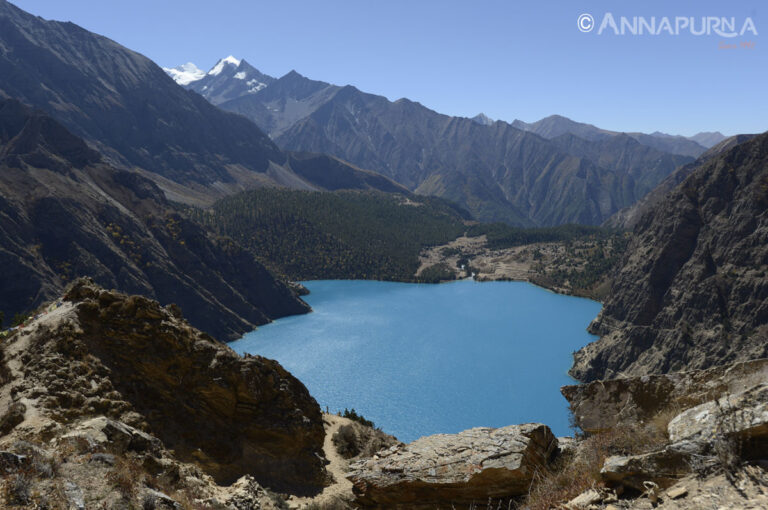
Trekking starts on a serious note when you climb Suli Gad valley through lush lowland vegetation into the Phoksundo National Park at Hanke. As you progress further, you reach Chepka (2,670m) and Renje (3,020m), a small riverbank. The land becomes increasingly dramatic and isolated. The route then takes one to the spectacular turquoise waters of Phoksundo Lake (3,640m), one of the incomparable highlights of Dolpo region trekking in Nepal.
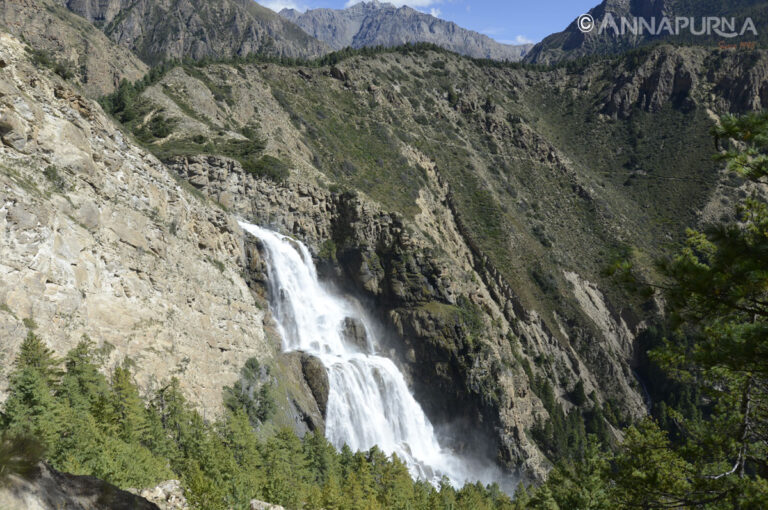
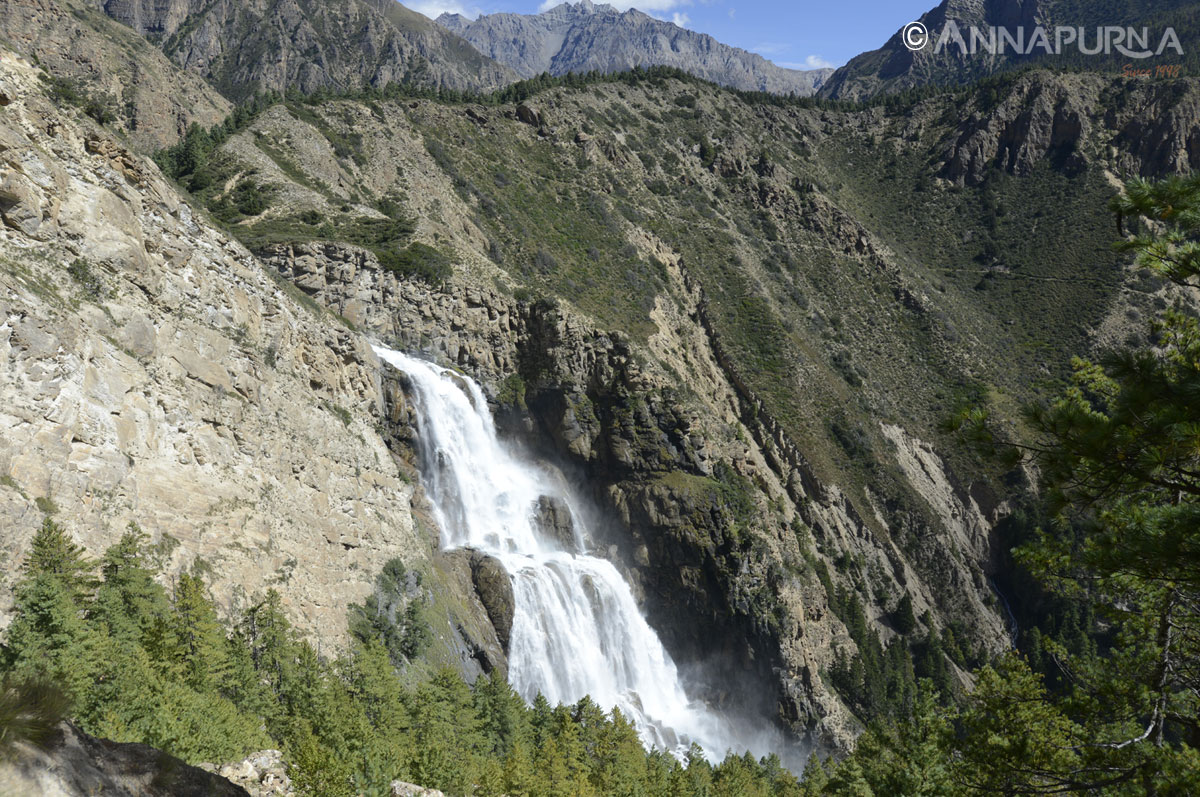
It will take you over a grandiose 330-meter-high waterfall, after which you will arrive at the Bonpo village of Ringmo. One rest day here, you will have time to visit the old Pal Sentan Thasoon Chholing Gompa. This segment of the Upper and Lower Dolpo Trek offers a rare combination of natural wonder and ancient Himalayan spirituality.
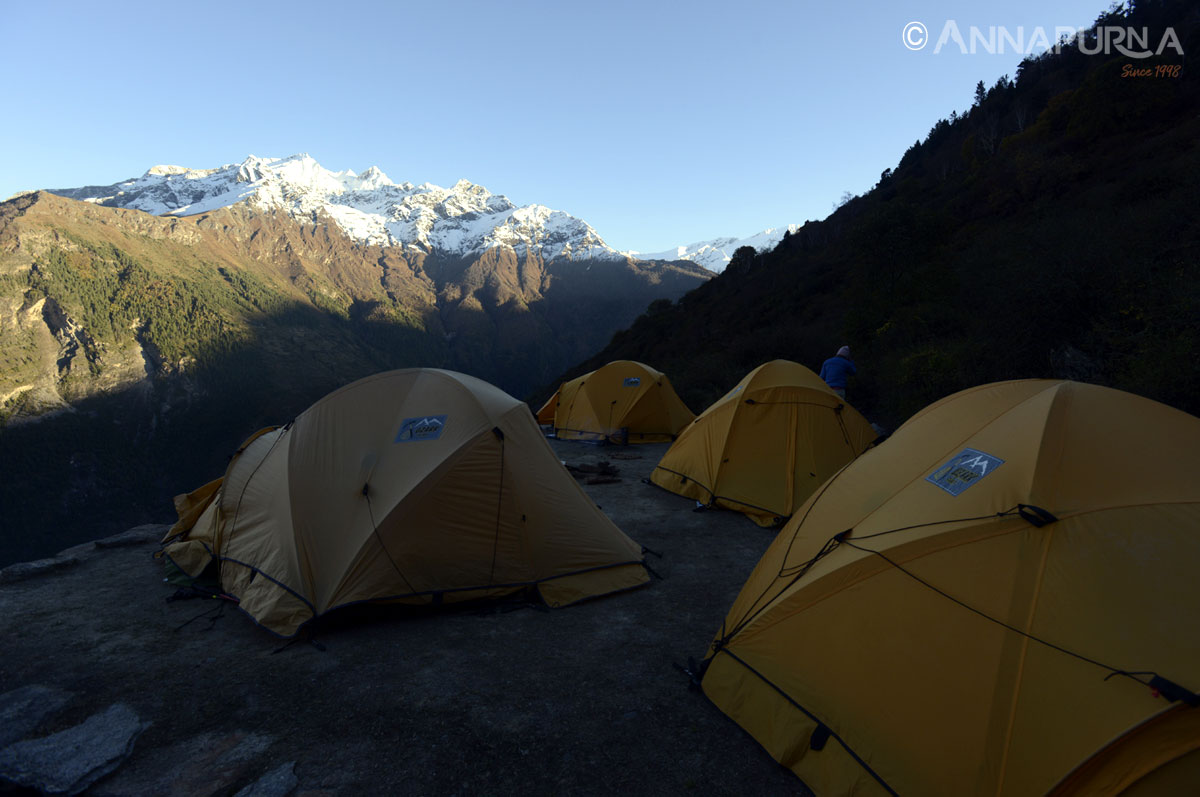
This route leads to the dramatic western side of the Phoksundo Lake. The path then continues down to camp along the Phoksundo River, then up a narrow valley to the north. You ultimately end up camping under the Kang La Pass, which is so strong.
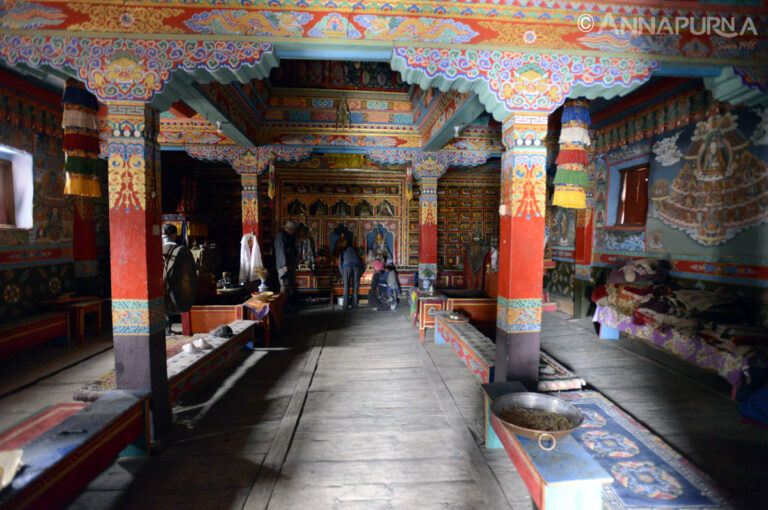
The challenging ascent of Kang La (5,150m), with its steep scree slopes, is a major challenge of the Upper and Lower Dolpo Trek. In passing through the pass, you will descend to the holy Shey Gompa (4,125m), situated below the Crystal Mountain. This remote monastery is one of the holiest places in Inner Dolpo and is the most revered by locals. For the trekker, it is a place of great cultural significance and a peaceful spot to ponder on the customs of the region.
The trail proceeds to Sila Shey Gompa (rest day) and traverses Sela La (5,095m), offering spectacular views of Tibet and Mustang. A further example of the ancient and strong Buddhist roots of the region is found in the distant village of Namgung (4,360m), which has a monastery perched dramatically on a cliff face.
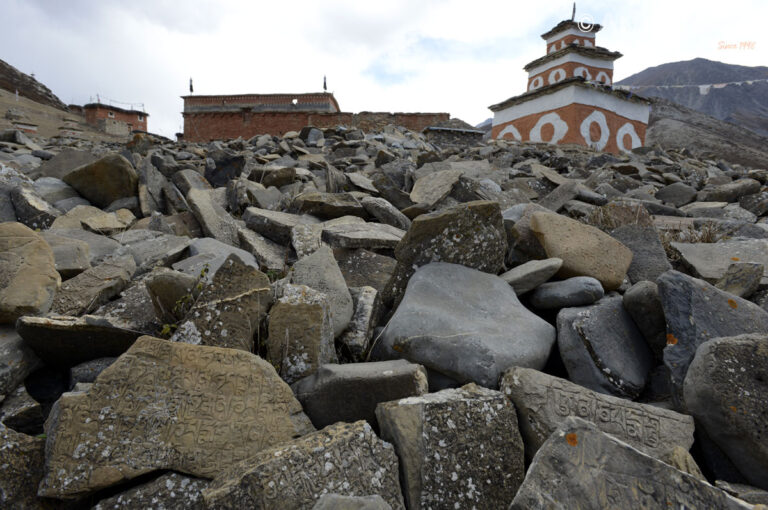
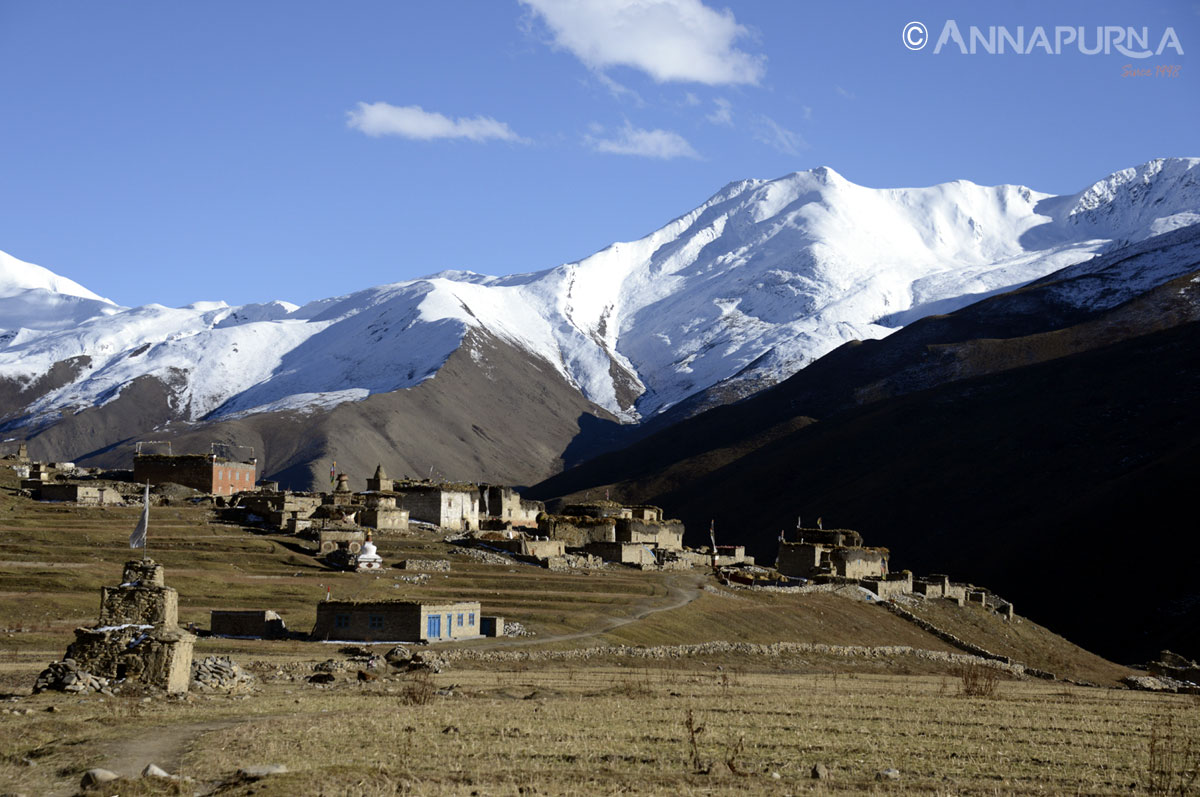
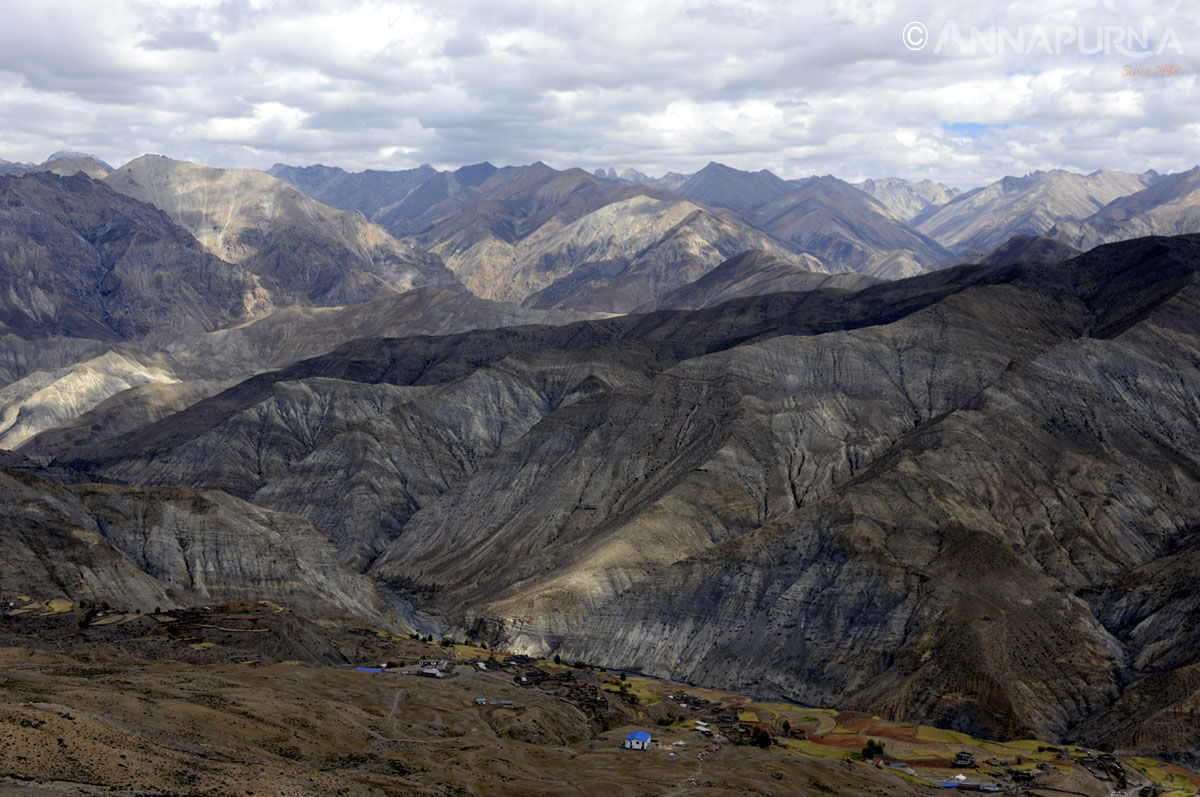
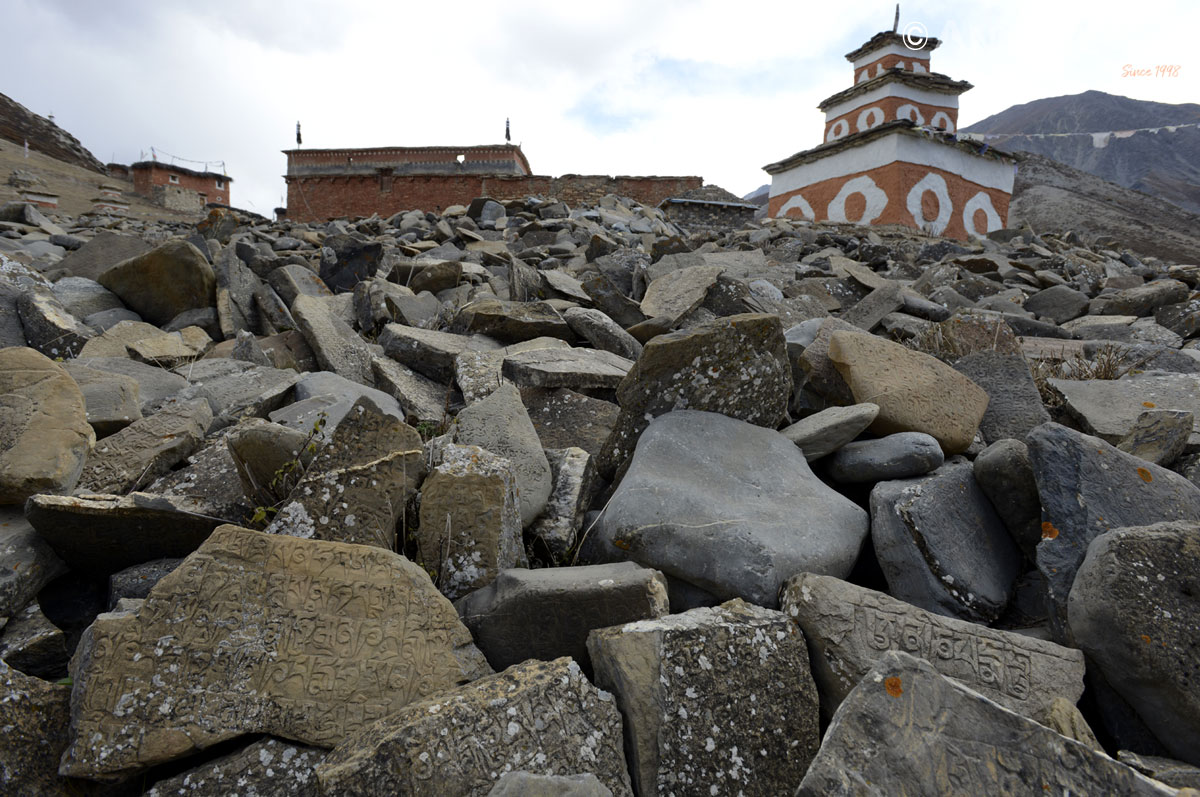
It takes a short walk to reach Saldang (3,770m), the largest village in the Inner Dolpo region and once a critical trading place on the old Tibet salt road. The trip continues southwards after rest and acclimatization, through terraced fields and carved mani-walls, to Sibu (3,940m).
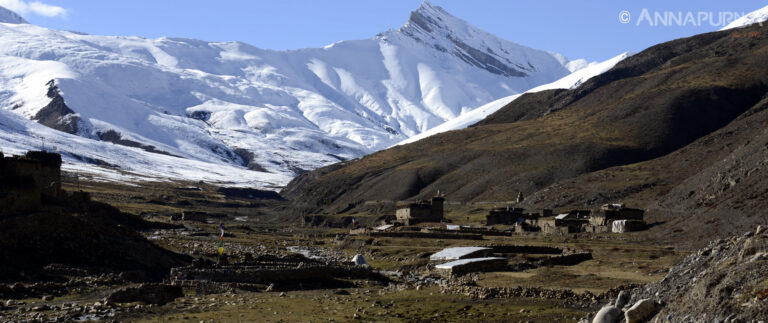
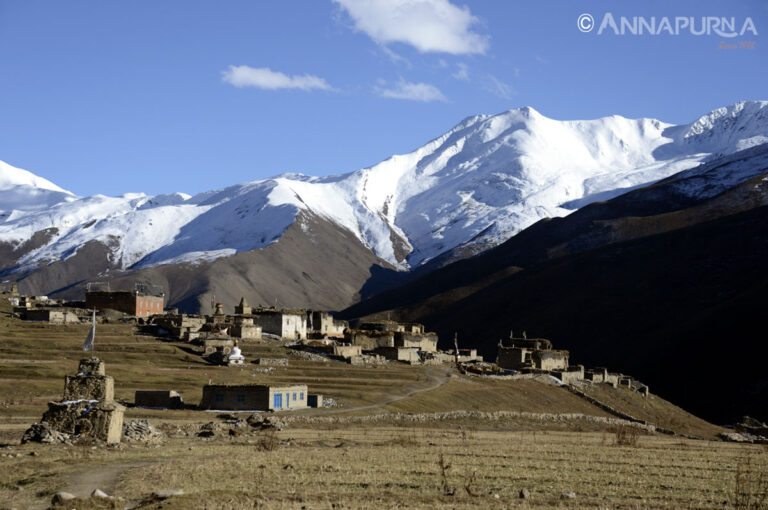
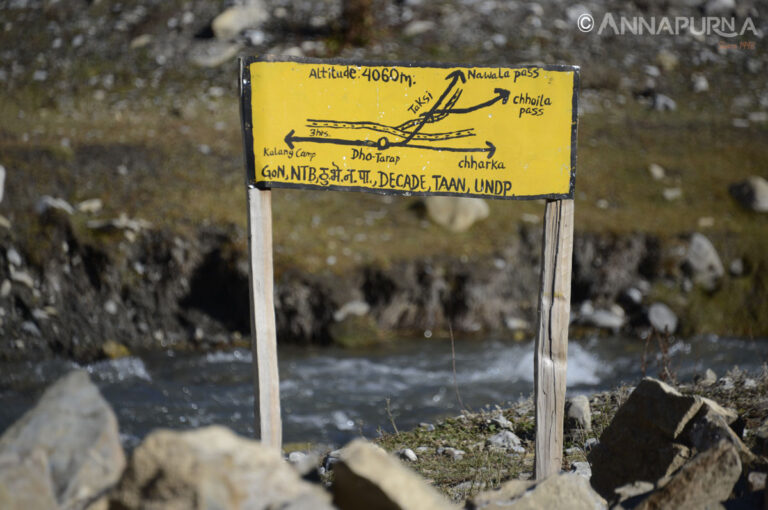
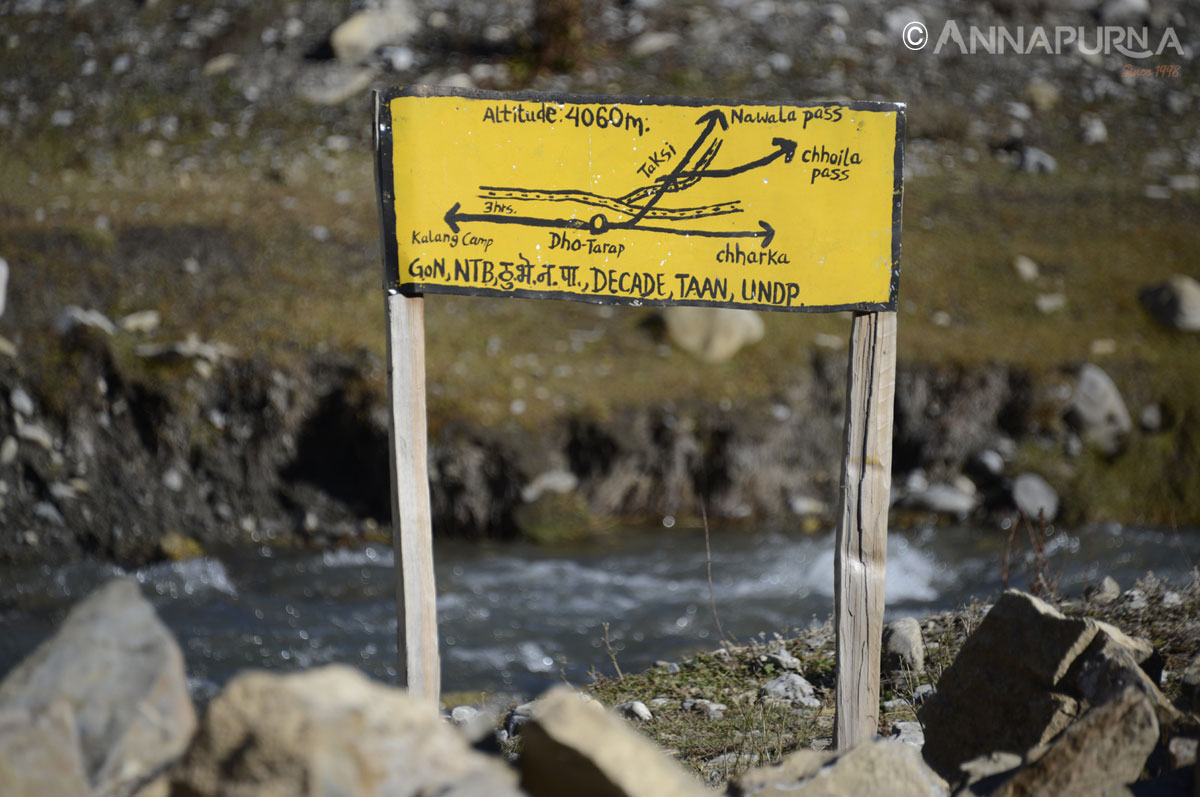
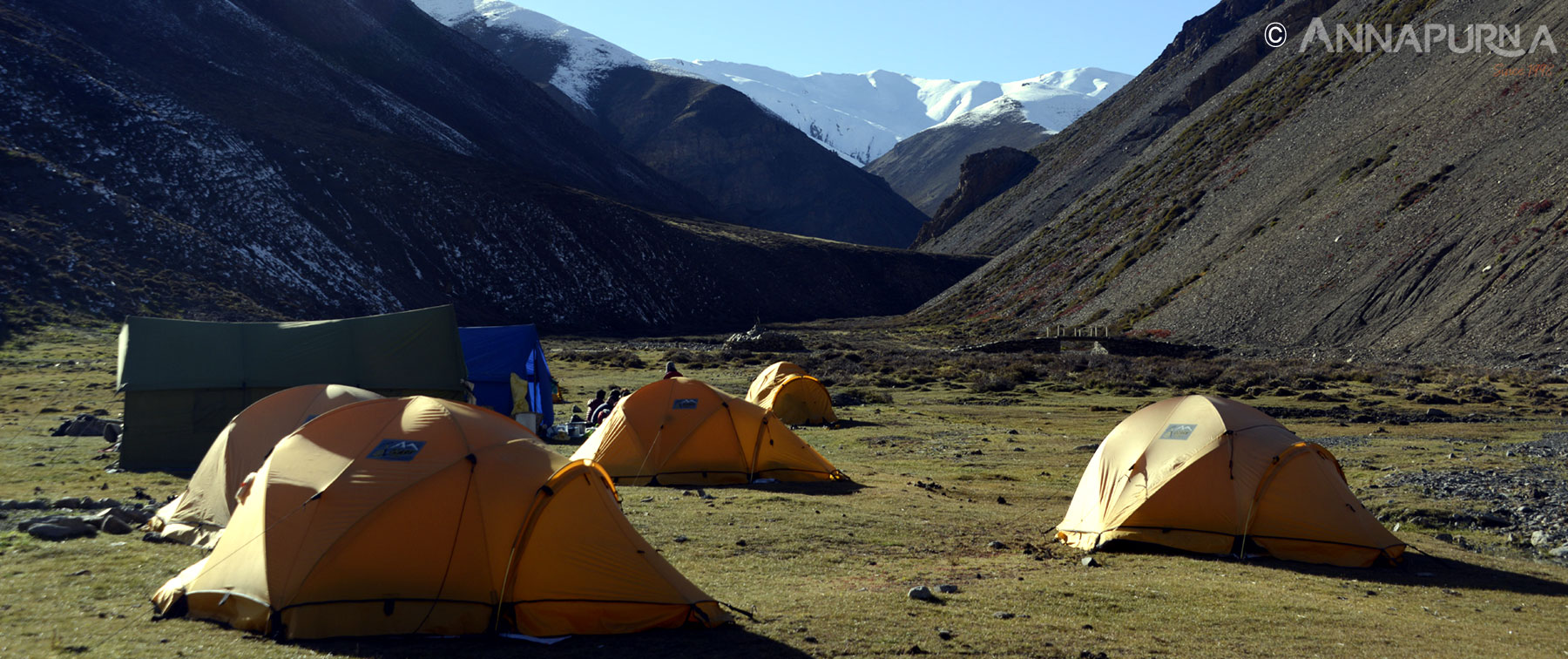
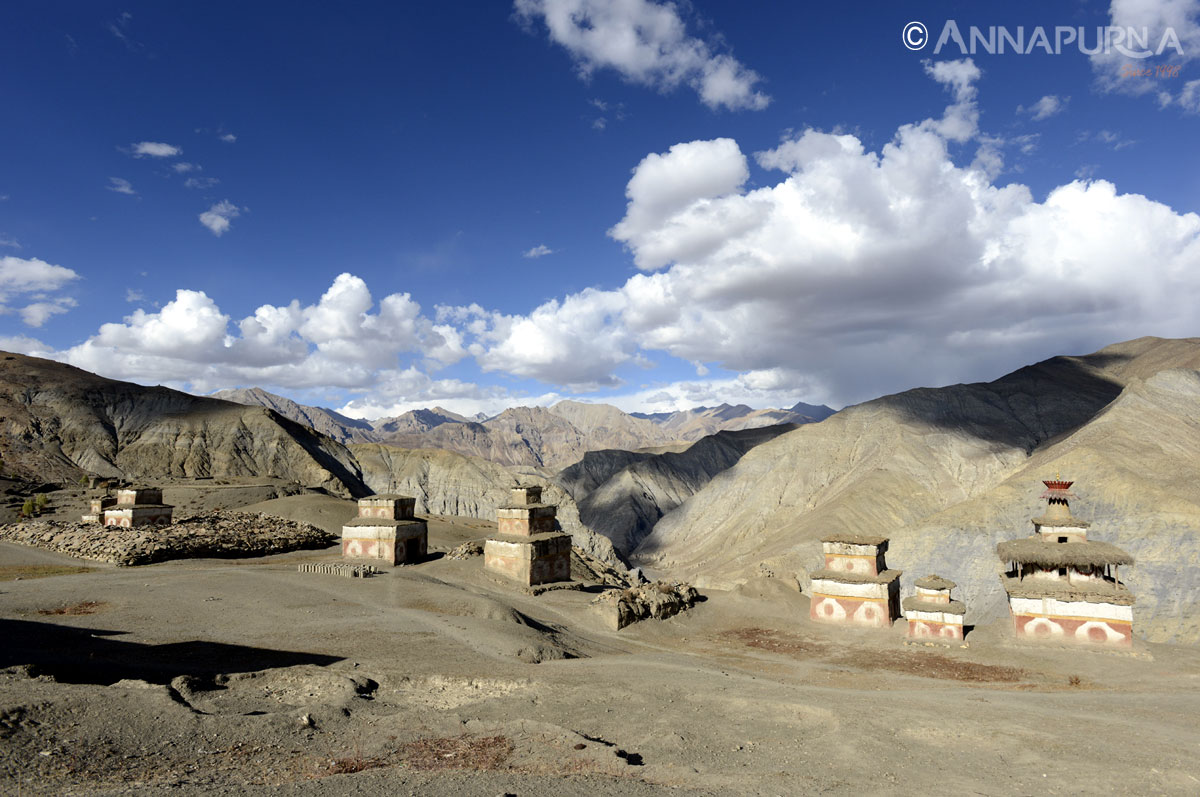
Along the Nam Khong River, you can see the traditional yak caravans passing through this high-altitude area carrying supplies. The paths that lead to the peak of Jeng La (5,220m) will reward you with striking views of Dhaulagiri. You enter the Tarap Valley, a large valley, and pass Tok-Kyu (4,240m), Bonpo and Buddhist monasteries in Dho (3,944m) that still maintain centuries-old traditions.
After the spectacular Tarap Khola ravine, there are the ingeniously contrived cliffside tracks cut into rock faces. As you slowly go downwards, you reach Tarakot, an ancient fortress town that was in the past dominating the pathways of trade in this area.
The final trekking leg of this challenging Upper and Lower Dolpo Trek circuit returns along the Barbung Khola to Dunai and Juphal. In this section, you will celebrate your accomplishment with a farewell party with your trekking crew. Domestic flights take you back to Kathmandu, where you have your last free day before the flight home.
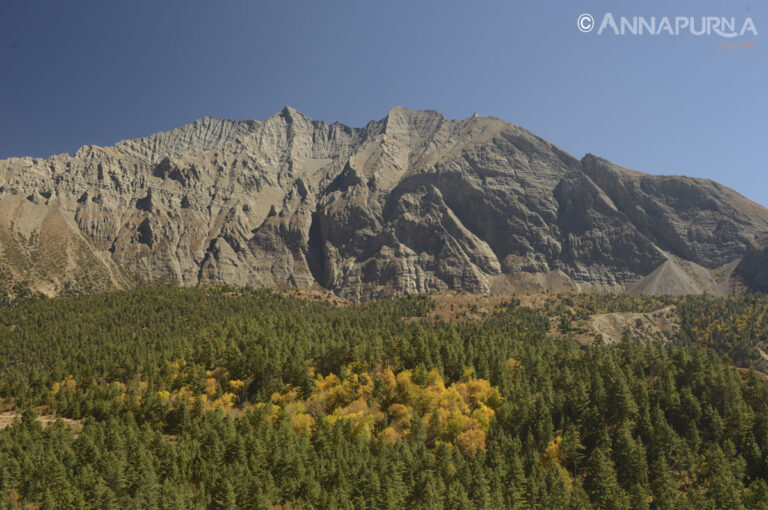
The Upper and Lower Dolpo Trek is one of the most remote and rewarding Himalayan treks in Nepal. This trek combines adventure and culture, with passes above 5,000 meters, ancient Bon and Buddhist monasteries, alpine lakes, dramatic Himalayan gorges, and a last remaining pure Tibetan cultural landscape, offering an unparalleled trekking and cultural experience.
The Upper and Lower Dolpo region will prove to be a super destination for any trekker interested in off-the-beaten-path expeditions, limited-area trekking permits, rugged Himalayan scenery, and an experience of local culture. This 26-day trip is not only a test of the body but also a test of the soul. In the end, it gives you deep natural beauty and spiritual wisdom, both of which are so valuable.
For a day-to-day itinerary, hotel information, customised programs, or anything else related to your travel plan. Please get in touch with annatreks@gmail.com or WhatsApp/Message at +977 985 10 30619. You can also message us on Facebook.
Ultimate Remote Exploration: Traverse the heart of Upper Dolpo, the largest and most isolated protected area in Nepal, which preserves ancient Tibetan culture, largely untouched by modernity.
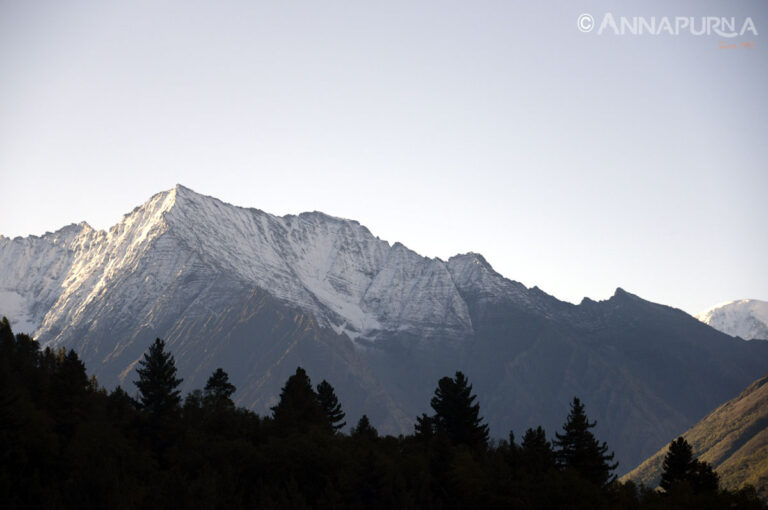
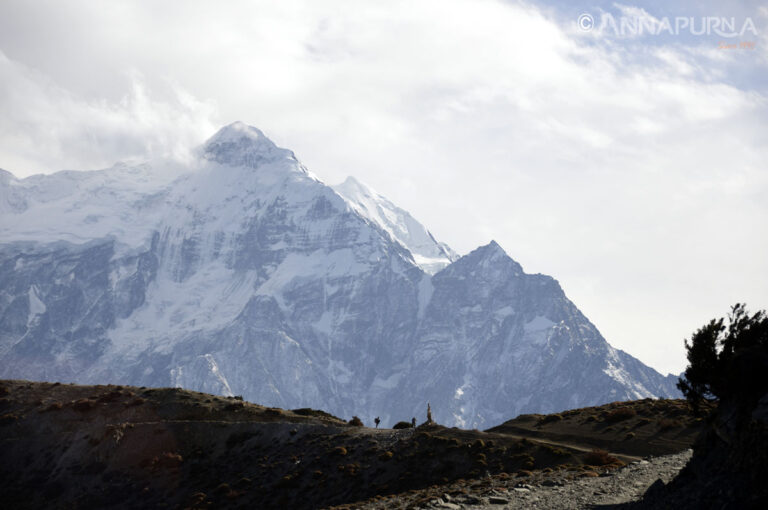
High Himalayan Passes: Conquer legendary passes of Dolpo like Kang La (5,150m), Sela La (5,095m), and Jeng La (5,220m), offering breathtaking vistas of the Himalayas, including the Dhaulagiri massif piercing the horizons of Earth.
Sacred Landscapes and Culture: Experience the Bon-Po traditions in the ancient gompas of Ringmo (pre-dating Buddhism) and the mystical ‘Crystal Mountain’ of Shey Gompa. Here, you can witness shamanistic rituals in a stark, spiritual landscape, offering a unique cultural experience.
Natural Wonders: Witness the surreal turquoise Phoksundo Lake, deepest of Nepal, and its towering 330m waterfall, featured in the Himalaya movie of Eric Valli.
Ancient Trade Routes and Villages: Walk on historic salt-trading paths to Saldang, explore medieval stone villages (Ringmo, Namgung, Dho), and encounter yak caravans en route to Tibet.
Literary Legacy: Follow the route chronicled in Peter Mathieson’s The Snow Leopard, camping at his iconic “Snowfields Camp” below Kang La.
Traditional welcome, trip briefing, and time to explore local shrines.
While permits are finalized, exploring UNESCO World Heritage Sites: the ancient monkey temple at Swayambhunath and the historic palaces of Kathmandu Durbar Square. Evening visit to the great Boudhanath Stupa.
Scenic one-hour flight with panoramic Himalayan views.
Trek for ~3 hours, meet your trek crew and descend through terraced fields to the Bheri River.
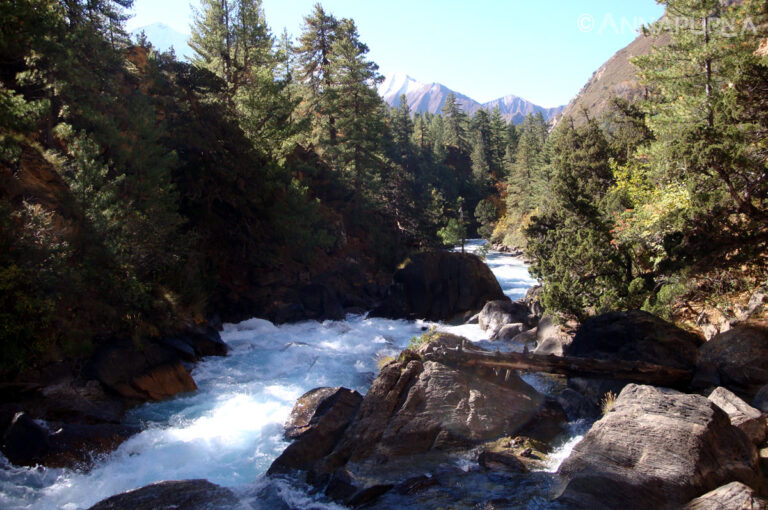
Trek for ~5 hours, enter the lush Phoksundo National Park and traverse a steep, dramatic valley.
Trek for ~4 hours, a rugged trail following the river with several climbs and descents.
Trek for ~5 hours, first breathtaking views of the stunning turquoise lake and a 330m high waterfall.
Explore the ancient Bon-po monastery and the serene shores of one of Nepal’s most beautiful lakes.
Trek for ~5 hours, trek the famous precarious trail along the western shore of Phoksundo Lake.
Trek for ~7 hours, journey into a high, remote valley, following the route from “The Snow Leopard.”
Trek for ~6 hours, challenging pass crossing followed by a descent to the famous Crystal Monastery.
Day to explore the ancient monastery and absorb the stark, high-altitude landscape.
Trek for ~7 hours, Another high pass with views into Tibet, descending to a cliffside monastery.
Trek for ~3 hours, short trek to the largest village in Inner Dolpo, on the old Tibetan salt trade route.
Optional day excursion to explore nearby villages like Khoma.
Trek for ~6 hours, walk past traditional villages, chörtens, and mani walls along the river.
Trek for ~5 hours, ascend through yak grazing pastures to the base of the final high pass.
Trek for ~7 hours, pass offers stunning views of Dhaulagiri before entering the vast Tarap Valley.
Trek for ~3 hours, visit t4raditional villages with ancient Bon-po and Buddhist monasteries, a stronghold of Tibetan culture.
Trek for ~6 hours, a fascinating walk through a deep, narrow gorge on a well-engineered path.
Trek for ~5 hours, follow the river downstream through a beautiful alpine valley.
Trek for ~6 hours, celebrate the successful completion of your trek with your crew.
A spare day to be used for weather, rest, or exploration.
Scenic flight from Juphal to Nepalgunj, connecting to Kathmandu. Drive to hotel, check in, relax.
Free day to relax, shop, or take an optional guided city tour.
Transfer to the airport for your international flight home.
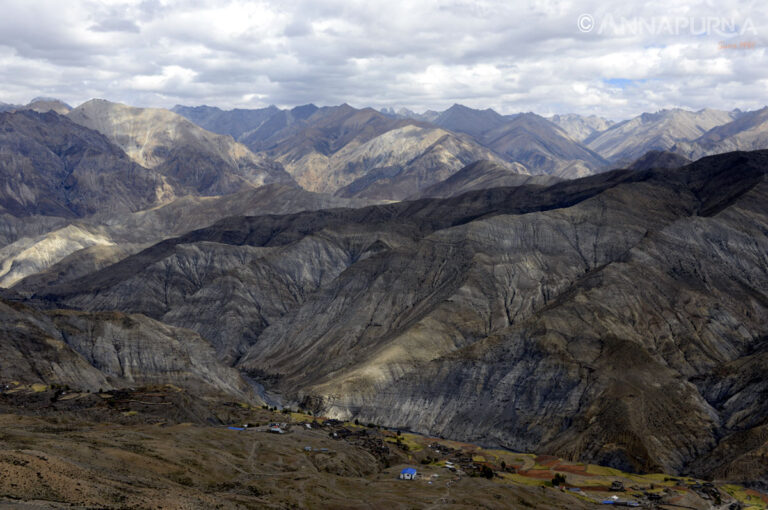
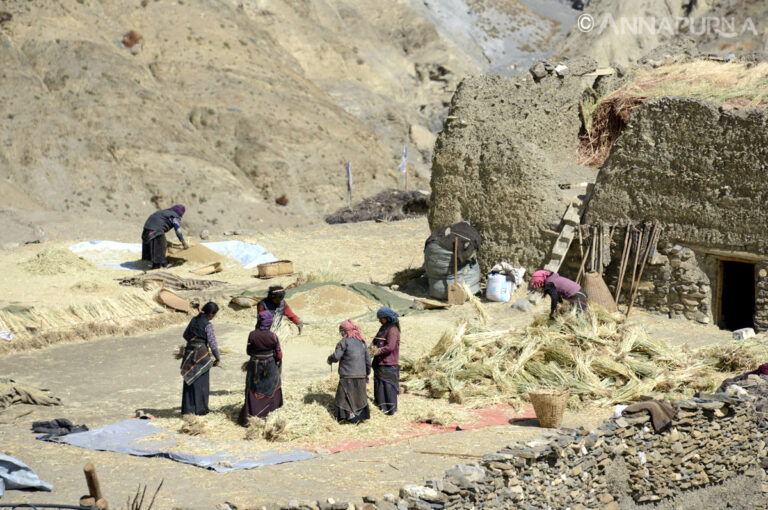
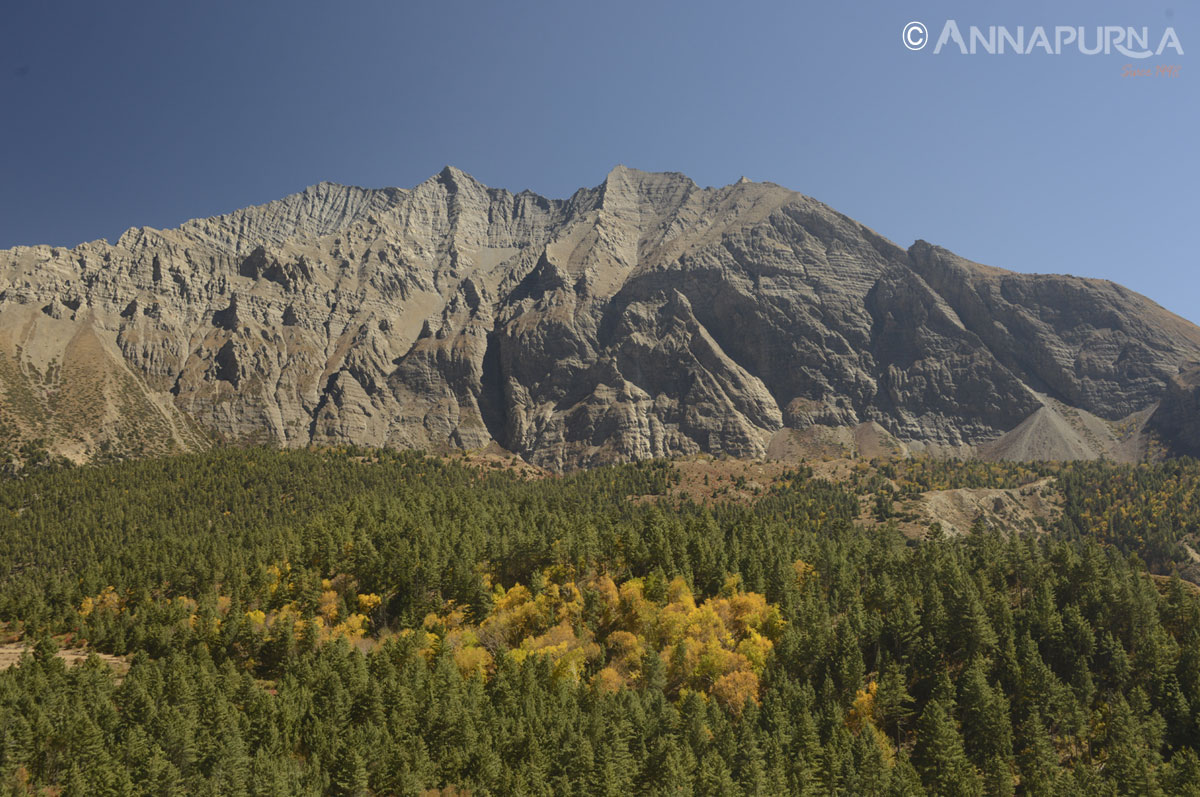
The Dolpo Region, with a unique blend of ancient Bonpo and Tibetan Buddhist Religions, is a last remaining pure Tibetan cultural treasure, thrived with natural wonders. The region’s ancient attire, jewellery, monument structures, agriculture, and animal husbandry, along with the last remaining nomadic lifestyles and trans-Himalayan trading practices, offer a fascinating glimpse into a bygone era. Trekking in the Dolpo Region is not just a physical challenge but also a rare opportunity to experience a centuries-old, alluring socio-cultural heritage in the ice- and wind-swept High Himalayan Desert, making every step worthwhile to note in your daily diary. The She Phoksundo National Park hosts snow leopards, blue sheep, Himalayan wolves, and wild Yaks. The following details are essential for overall preparation and understanding the Dolpo Region Trekking options.
| Duration | 19 days |
| Max Elevation | 5,320m (Numa La Pass). |
| Grade | Remote camping, long ascents, altitude risks |
| Best Seasons | March-June and September-November |
| Highlights | Phoksundo Lake, traditional villages (Dho Tarap), and the wildlife of Shey Phoksundo National Park. Tibetan Buddhism and Bon culture |
| Transport mode | Time |
| Flight Kathmandu → Nepalgunj | 1 hour |
| Flight Nepalgunj → Juphal | 20 minutes; trek starts here |
| Flight Juphal → Nepalgunj → Kathmandu | 1 hours 20 minutes; trek ends at Juphal. |
| Season | Conditions |
| Spring | May–June, mild days (5–17°C), rhododendrons and wild orchid blooming, ideal for high passes |
| Autumn | Sept–October, stable weather, clear skies (0–20°C), peak season, highland meadows and mountain passes in bloom, harvesting season |
| Monsoon | July–August, possible landslides in lower areas, prepare for flight disruptions, highland meadows and mountain passes in bloom, encounter nomadic camps |
| Winter | Dec–February, temps drop to -20°C; most higher parts remain snowbound |
| Category | Detail |
| Who can join these treks | The trek suits fit, health-conscious travellers aged 18+ who can handle high altitudes and uphill/downhill challenges in extreme weather conditions. With no upper limit, seniors can join if they are physically fit and medically cleared. First-timers with dedicated commitment and basic to adequate training are welcome. The trek is led by our experienced guides and support staff (guide helpers, porters, kitchen crew) with overall care provided. |
| Group Policy | We specialise in premium private treks and tours. We do not combine individual travellers into groups. Your “group” is defined solely by the friends, family, or colleagues you choose to travel with when booking a specific program. This policy guarantees a personalised and exclusive adventure tailored just for you. |
| Required permits | – Upper Dolpo: $500 for the first 10 days + $50/day thereafter. – Lower Dolpo: $20 for first week + $5/week thereafter. – Shey Phoksundo National Park Permit: $30 per person. |
| Guide | Guides are mandatory for RAP areas; as of March 2025, all trekkers must hire a government-licensed trekking/climbing guide. |
| Physical Preparation | Require cardio and stamina excersises for 2–4 weeks like basic running, cycling, or stair climbing (aim for 5 km in 1 hour). Strength gain training such as lunges, squats, and backpack hikes (build to 10–15 kg only if you are not taking a porter service). |
| Safety and Health | Be mindful of altitude sickness and recognise its symptoms (headaches, nausea, dizziness). Take preventative measures (such as taking Diamox/acclimatising rest days), and descend immediately if symptoms become severe. Medical Clinics are in Namche, Pheriche, and Dingboche for AMS treatment. |
| Vaccinations | Consult a doctor for recommendations (recommended for typhoid, hepatitis A/B, and tetanus). |
| Insurance | Must cover emergency helicopter rescue (up to 5,500 m) and medical service. We strongly advise all trekkers to invest a little more in addition to the trip cost and purchase comprehensive insurance that covers all kinds of emergencies, ensuring you are financially secure and prepared for unforeseen circumstances. |
| Water and Food | Tented Trek Meals – prepared by our mobile kitchen staff. Bring snacks from your country if you have any special ones that are not available in Nepal. Boiled water provided. |
| Cash | There are ATMs at Nepalgunj and Bank at Juphal, but it is recommended to carry some Nepalese to meet your basic possible expenses. All major expenses are included in our trek package cost. |
| Connectivity | Very limited Wi-Fi (agency provide satellitte phone for emergency calls. |
| Tipping | Tips for guides/porters: please allow $10/day per member. |
The following table outlines seasonal packing priorities, which include all essentials, as well as a clothing layering system for variable conditions.
| Season | Clothing | Key gear |
| Spring/Autumn | thermal base + fleece + heavy down jacket (-20°C) + waterproof shell | -20° to -25°C sleeping bag, Micro spikes (for High Pass). |
| Winter | Heavy thermal base, down jacket/pants, balaclava (-25°C) | Microspikes, -30°C sleeping bag |
| Monsoon | Quick-dry clothing, a full waterproof suit | waterproof pack cover, insect repellent, -20° sleeping bag |
| Accessories | Warm hat, sun hat, buff, waterproof gloves (inner + outer), wool socks (2–4 pairs) | Protects extremities from cold/frostbite |
Clothing Layering System for Variable Conditions |
||
| Layer Type | Key Items | Purpose |
| Base Layer | Merino wool/synthetic tops and leggings | Moisture-wicking; temperature regulation |
| Mid Layer | Fleece jacket; down vest/jacket | Insulation: retains body heat |
| Outer Shell | Waterproof/windproof jacket and pants | Shields against rain, snow, and wind |
| Accessories | Warm hat, sun hat, buff, waterproof gloves (inner + outer), wool socks (2–4 pairs) | Protects extremities from cold/frostbite |
| Foot ware | Broken-in waterproof trekking boots + Camp shoes + Sandals/crocs for stream crossing |
| Essentials | Sunglasses, trekking poles (for mud/snow), reusable water bottle, water purifier, headlamp, first-aid kit, portable charger, high-SPF sunscreen, lip balm, toilet paper, earplugs. |
| Backpack | 30–40L (Daypack for you) |
| Duffel Bag | ≤25 kg (for Porter and mules) |
| First-Aid Kit | Bring personal medications, agency provides group first-aid medical box). |
| Note | Use packing cubes to organize gear. Limit clothing to 2–3 sets of quick-dry layers |
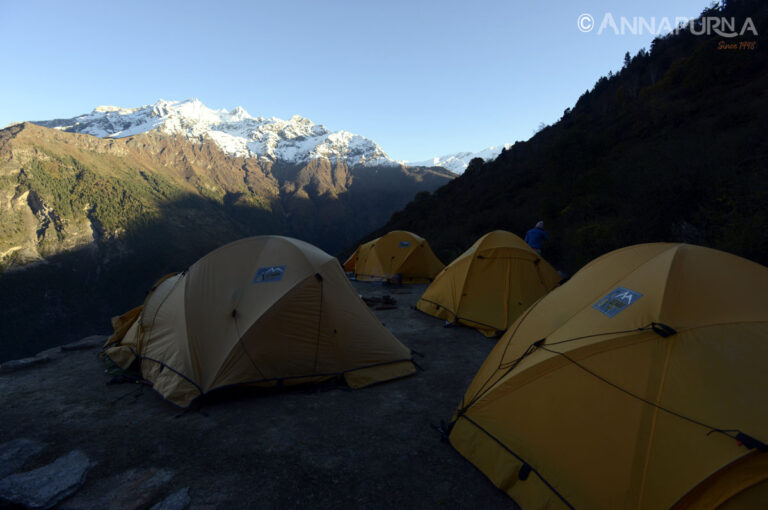
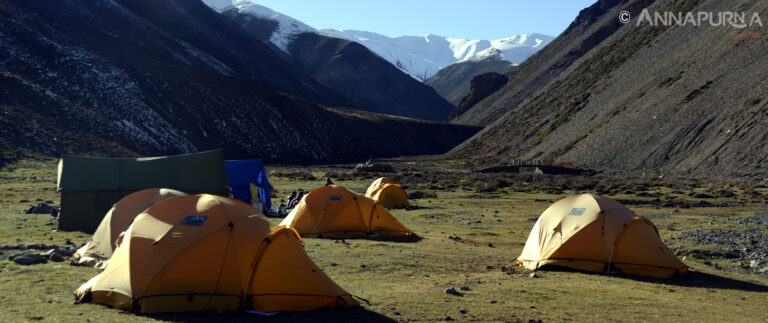
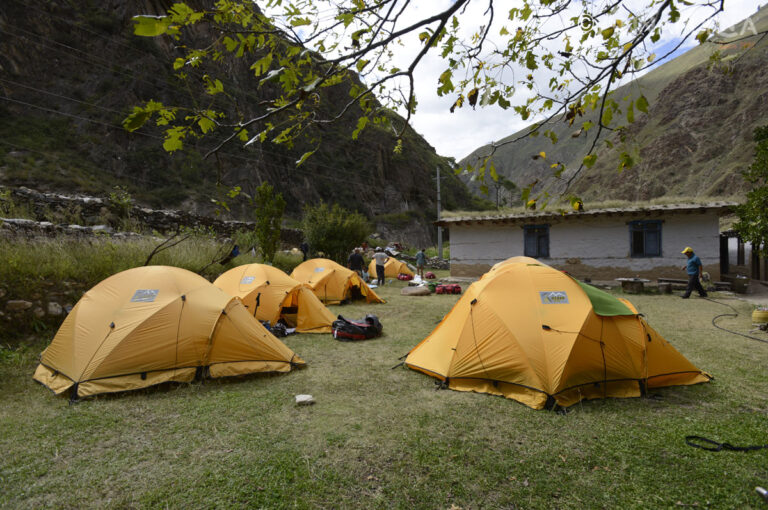
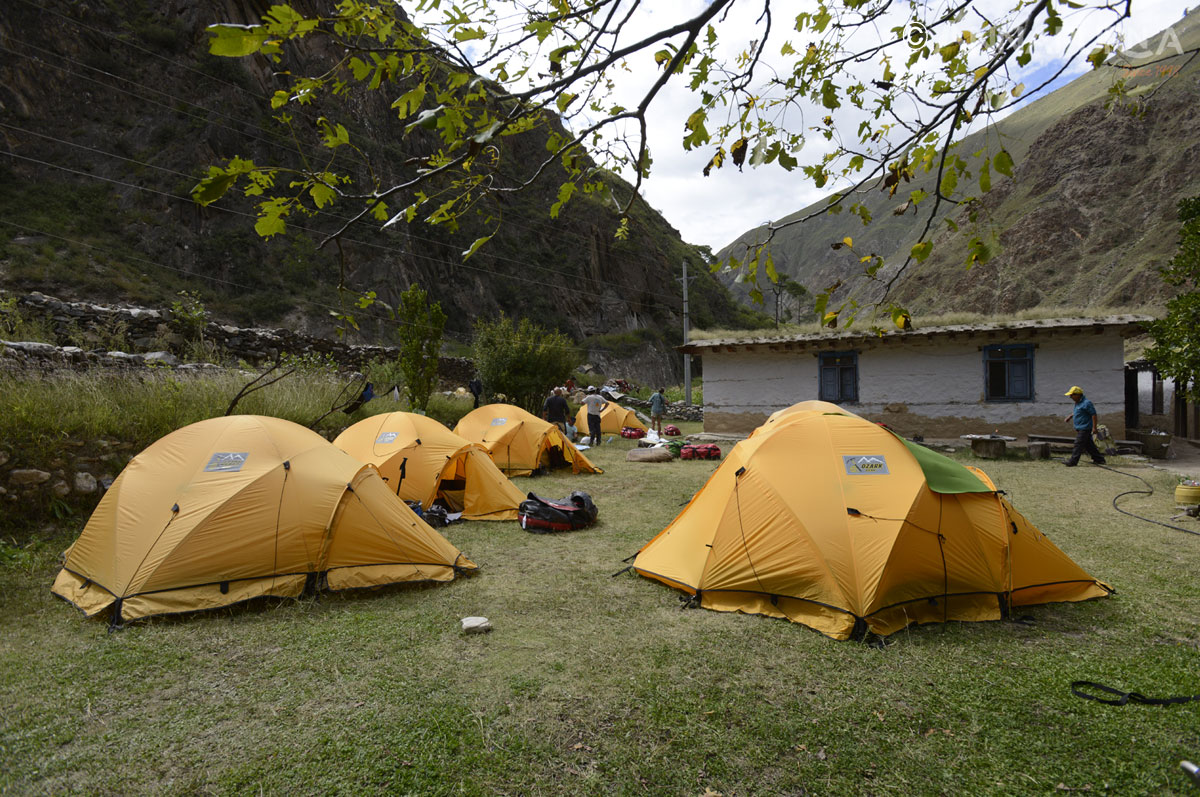
Camping only (no lodges), complete self-sufficiency required. Our agency handles logistics (e.g., food, tents).
Dress modestly (covering shoulders/knees in villages) to show respect and consideration for the local culture and customs. Circumvent clockwise around the Mani walls, stupas, and monasteries, and while visiting the inside of the monasteries. Use the right hand to eat and give/receive items. Remove your shoes / sandals when entering the kitchen, visiting homes, monasteries and temples. Avoid photographing children when they are alone or without family permission. Dolpo blends Tibetan Buddhism and ancient Bonpo traditions, and respects local festivals like the Shey Festival (held every 12 years) or other regional festivals. For eco practices, carry out trash (and hand it over to your guide on arriving at your camp because there are no waste facilities), use biodegradable products, and avoid plastic bottles (carry a reusable water bottle).
Rent/buy a down jacket/sleeping bag in Kathmandu to save space.

I had always thought that trekking in Nepal required a looong time and that it had to be done in either spring or autumn. That was until a friend told me that it was also possible to do it in winter, and that you can reach places like the Everest...
Read More
[gallery columns="1" link="file" size="full" ids="5878"] [gallery size="full" columns="1" ids="5903"]
Read More
In August 2025, my wife and I decided to take the famous Everest Base Camp trek with Annapurna Treks, and we had a wonderful experience thanks to the company's excellent organization. We had never been to Nepal before, but we knew that during the monsoon season there was a high...
Read More