$ / Per Person
The Everest Kala Patthar Trekking is one of the most beautiful and exciting trekking experiences in Nepal. It takes you deep into the heart of the Himalayas, where you can see some of the highest mountains in the world. This trek is a mix of natural beauty, adventure, and cultural experience. It is considered a moderate to difficult trek, so it is best for people who are physically fit and ready for a challenge.
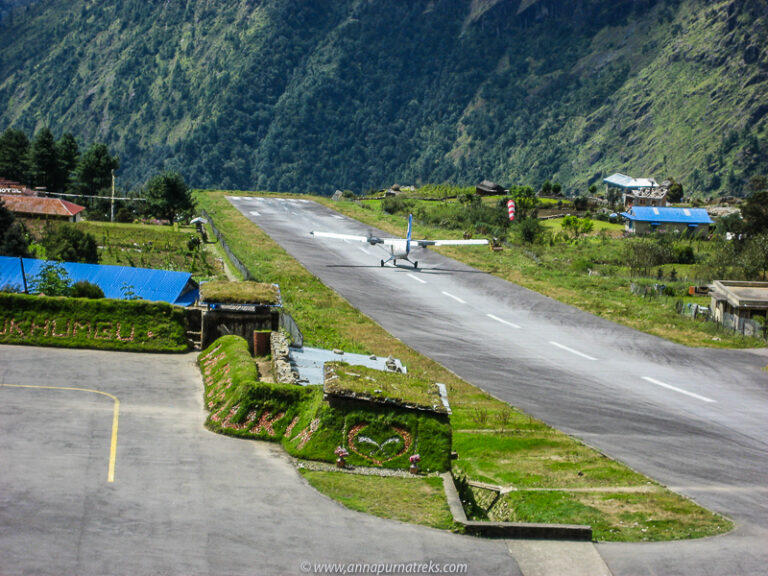
Your journey begins in Kathmandu, the capital city of Nepal. Before starting the trek, many travelers visit Boudhanath Stupa, a peaceful and spiritual place. After that, you take an early morning flight from Manthali to Lukla. Lukla is known as the gateway to the Everest region.
From Lukla, the trekking begins with a walk to Phakding. The trail is easy and passes through small villages, rivers, and green forests. It is a great way to start the adventure and get used to walking in the mountains.
The next part of the Everest Kala Patthar Trekking takes you to Namche Bazaar. This is a famous Sherpa town and a major stop for trekkers. The trail goes through forests, suspension bridges, and rivers. As you climb higher, the air gets thinner, so you walk slowly.
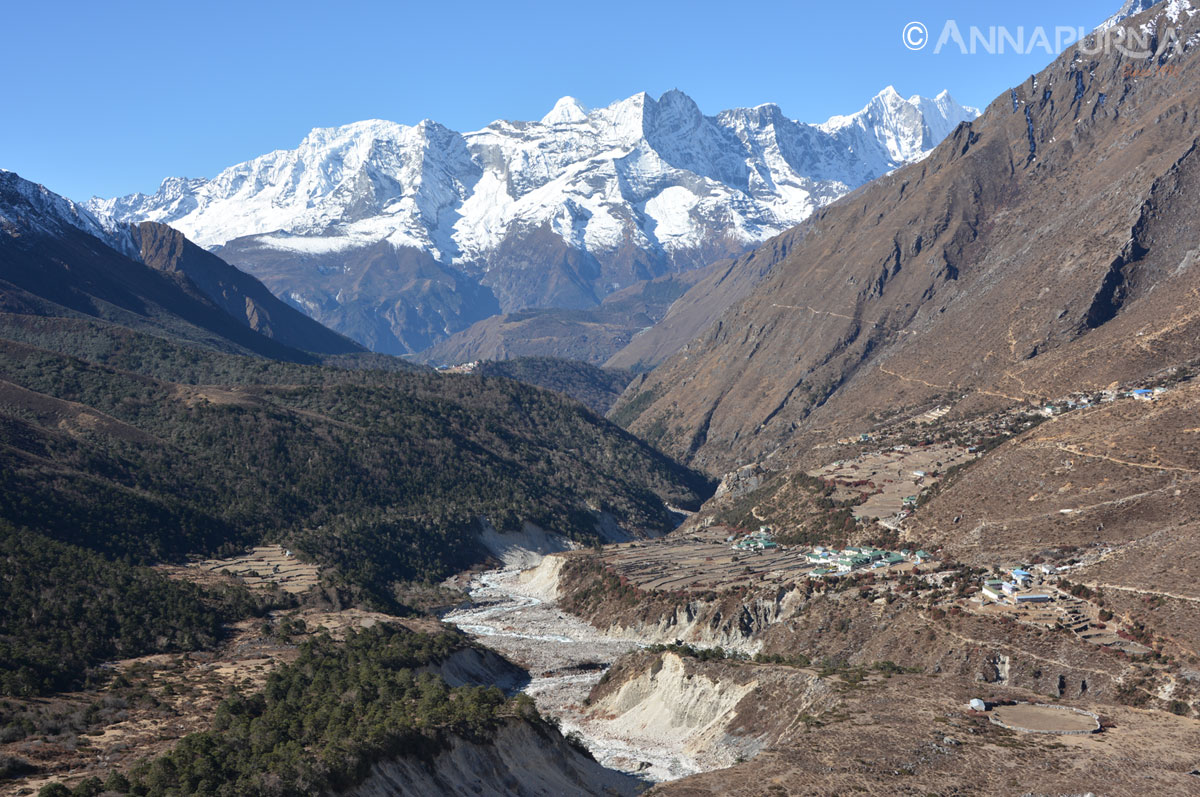
Namche Bazaar is also a place for acclimatization. You spend an extra day here to adjust to the altitude. During this time, you can visit Khumjung village and the Everest View Hotel. From here, you can see amazing views of Mount Everest and Ama Dablam.
After leaving Namche, the trail moves towards the peaceful Gokyo Valley. This part of the Everest Kala Patthar Trekking is less crowded and very beautiful. You pass through villages like Dole and Machhermo, surrounded by tall mountains.
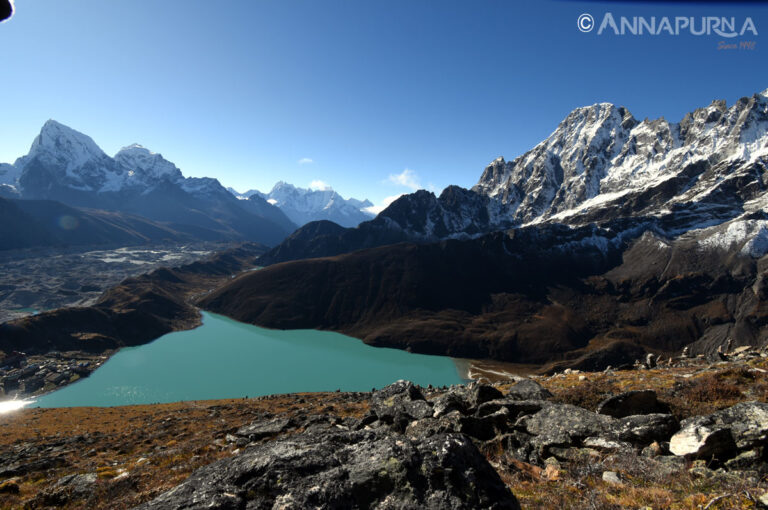
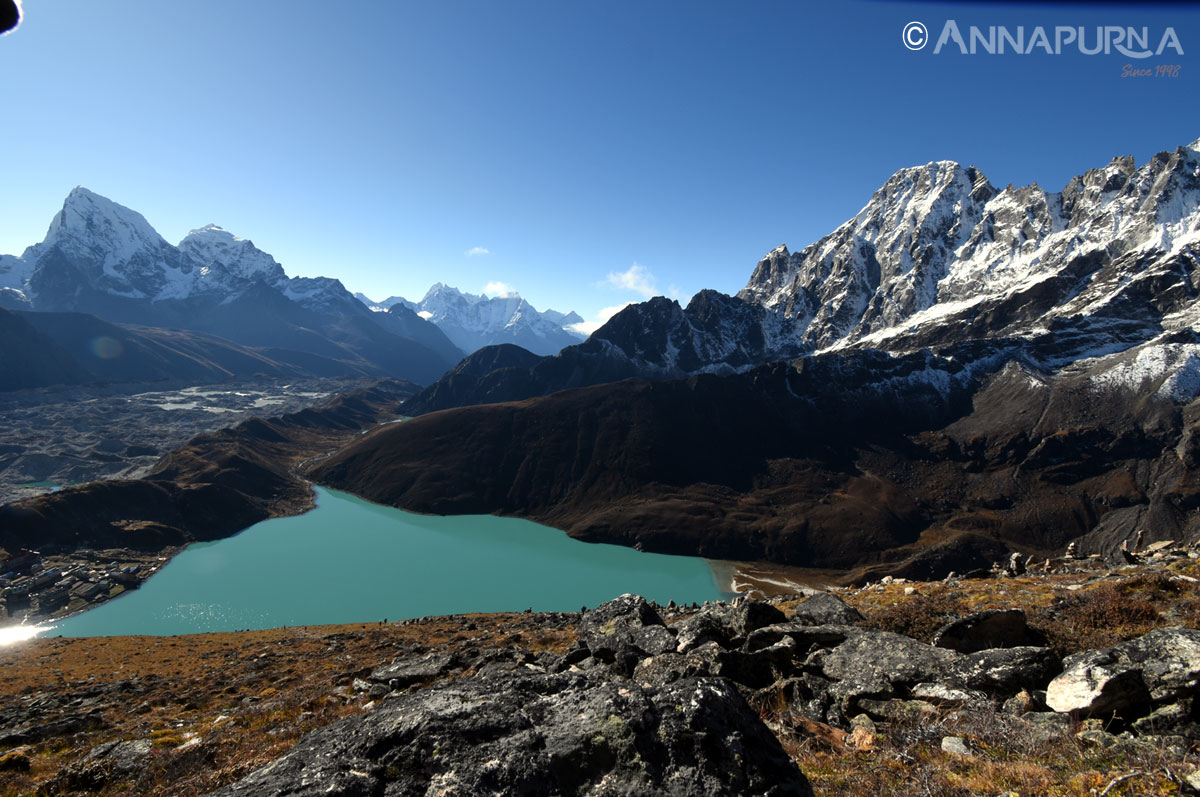
One of the highlights is reaching the Gokyo Lakes. These lakes are bright blue and very clear, making them one of the most beautiful places in the Himalayas. The area is calm and perfect for relaxing after long trekking days.
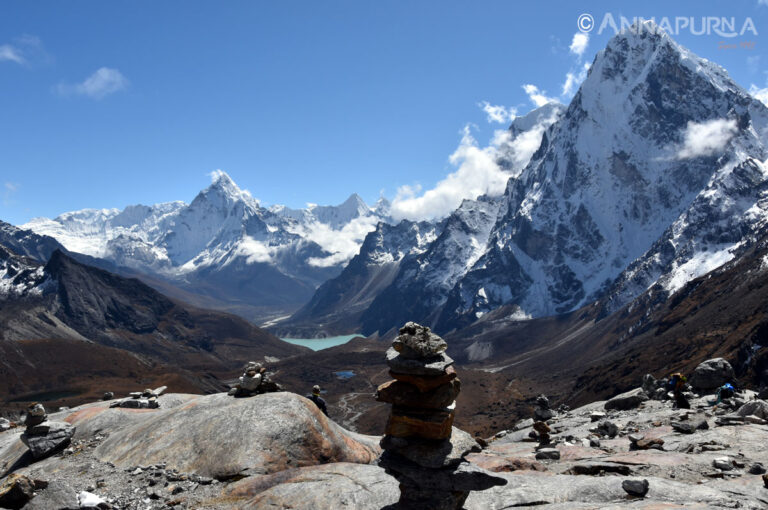
A very special moment in this trek is the early morning hike to Gokyo Ri. You start before sunrise and climb to the top. From here, you can see some of the highest peaks in the world, including Everest, Makalu, and Cho Oyu.
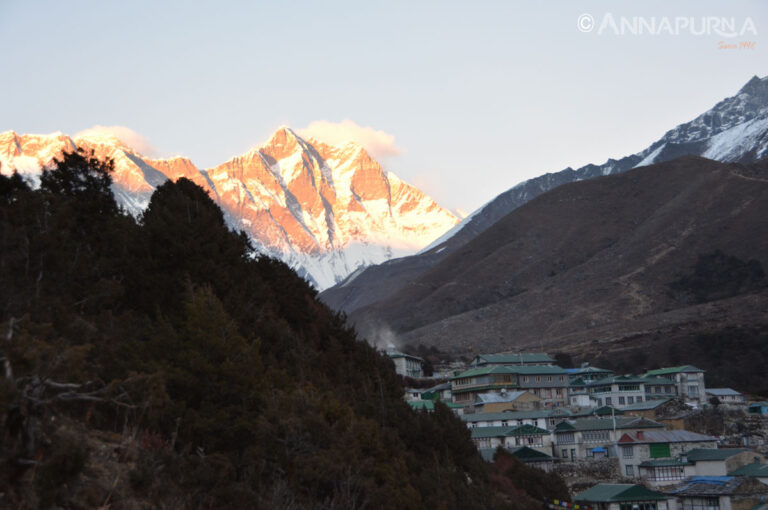
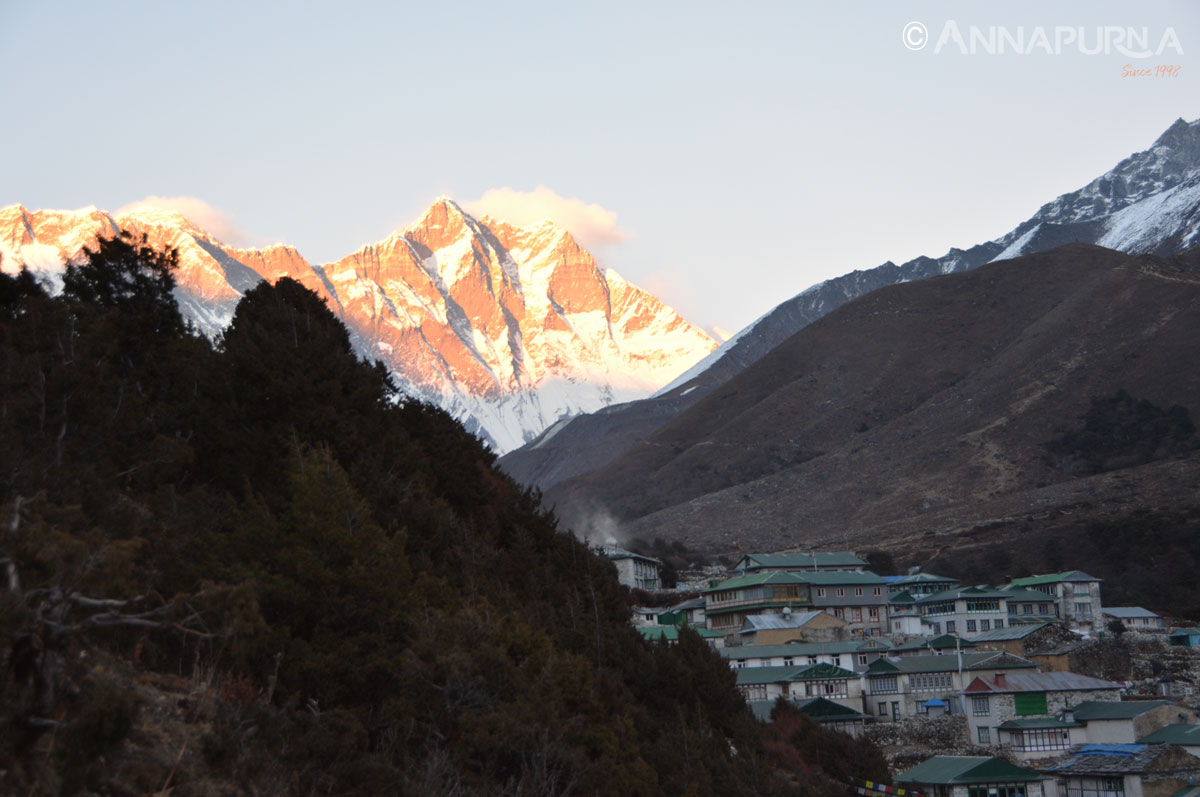
The sunrise view from Gokyo Ri is unforgettable. The mountains turn golden as the sun rises, creating a magical scene. This is one of the best viewpoints in the Everest Kala Patthar Trekking route.
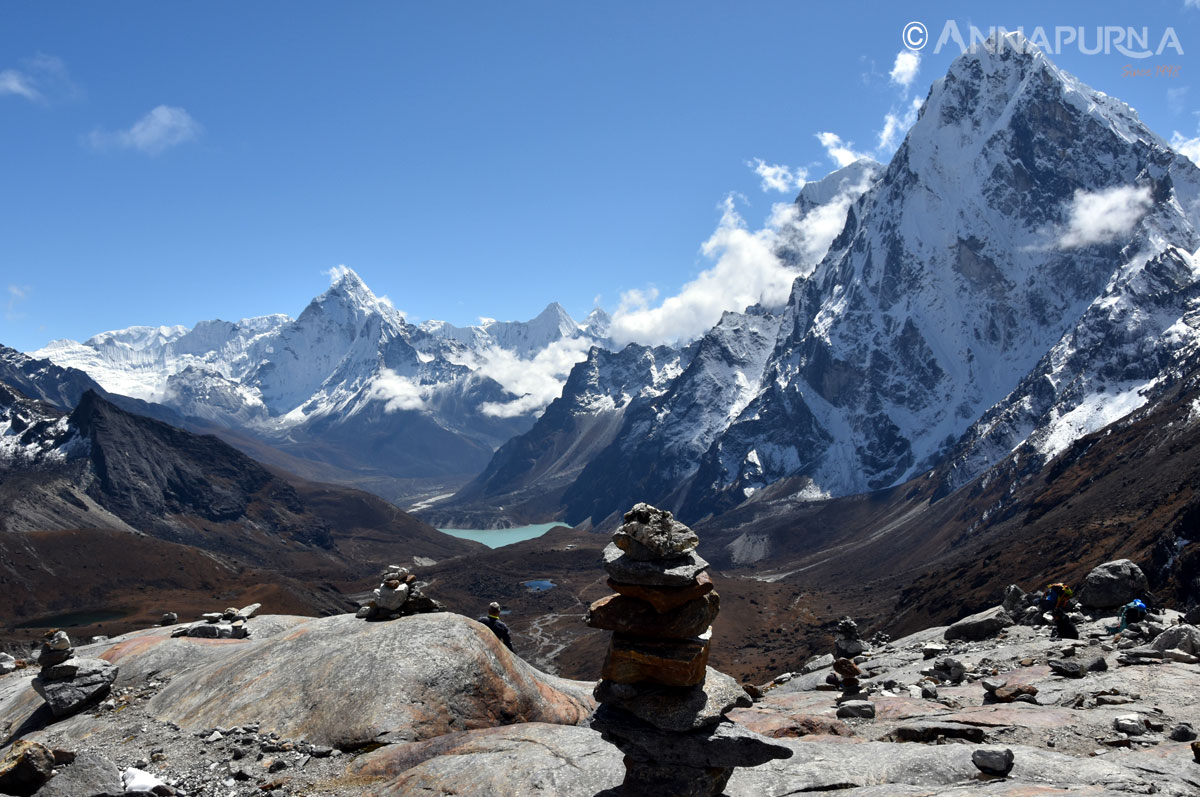
One of the most difficult parts of the trek is crossing the Cho La Pass. This pass is high and can be covered with snow and ice. You need to start early in the morning and walk carefully.
Although it is challenging, reaching the top of the pass feels amazing. The views are stunning, and it gives you a sense of achievement. After crossing, you descend to Dzongla and continue the journey.
The trek then joins the main Everest trail. You walk through Lobuche and reach Gorak Shep. From here, you go for the main highlight of the Everest Kala Patthar Trekking, which is the hike to Kala Patthar.
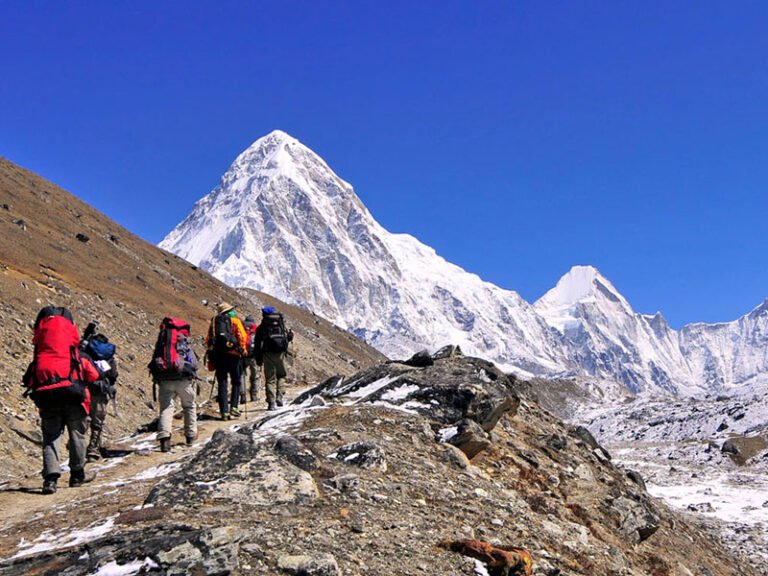
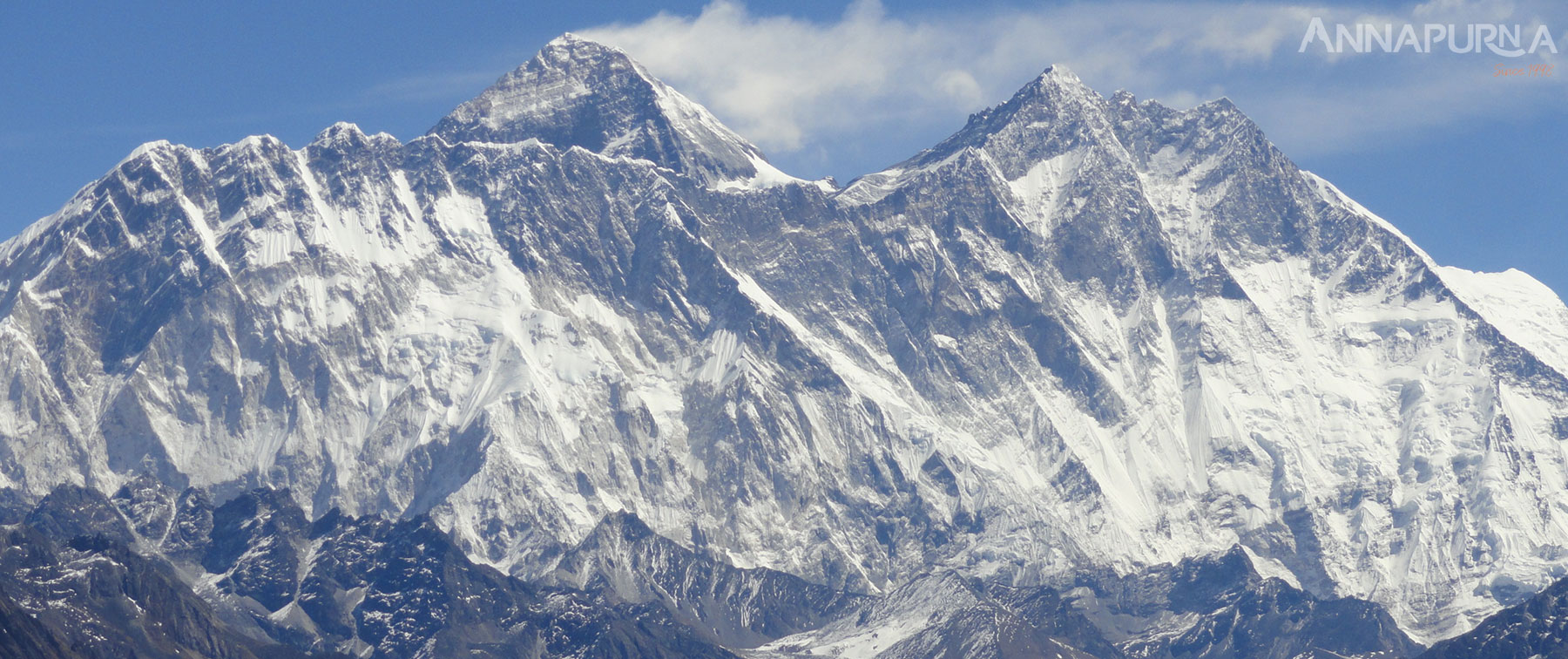
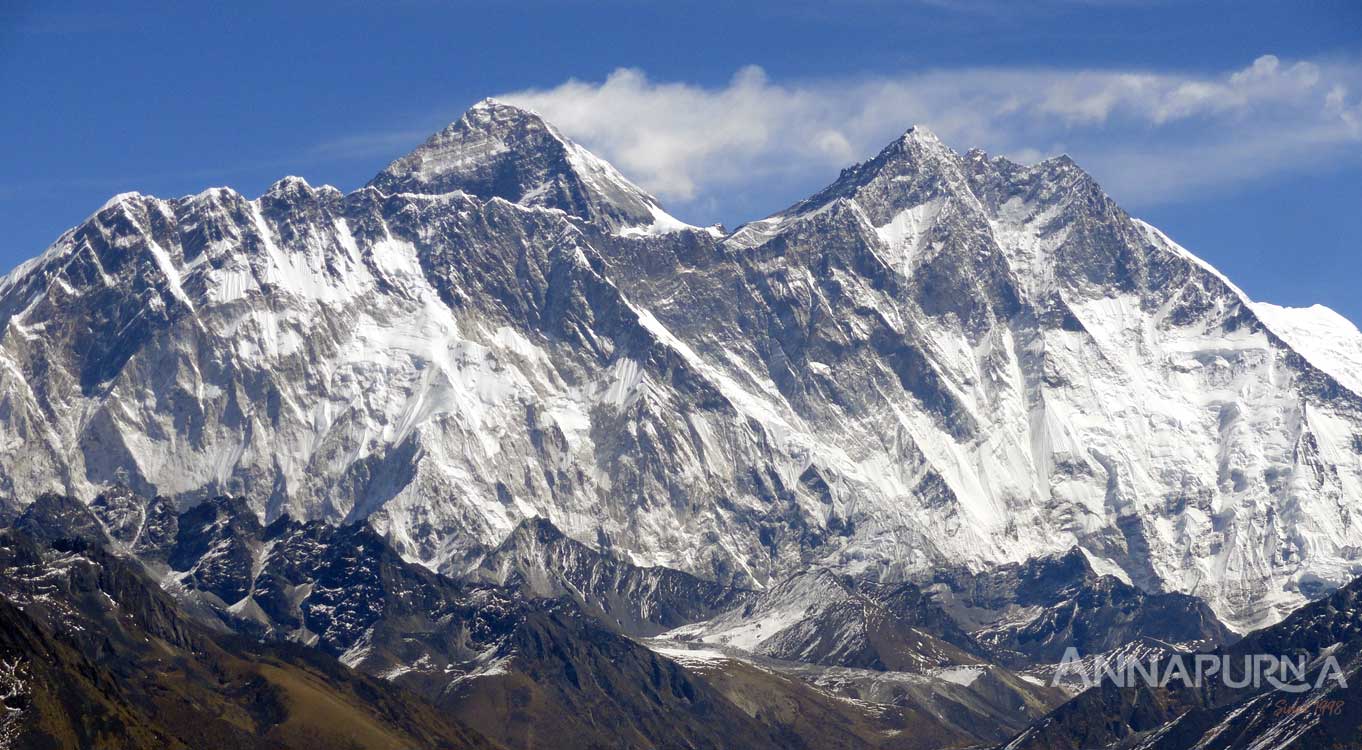
Kala Patthar offers the best close view of Mount Everest. You can see Everest, Nuptse, Pumori, and the Khumbu Icefall. The sunrise view from here is one of the most beautiful sights in the world.
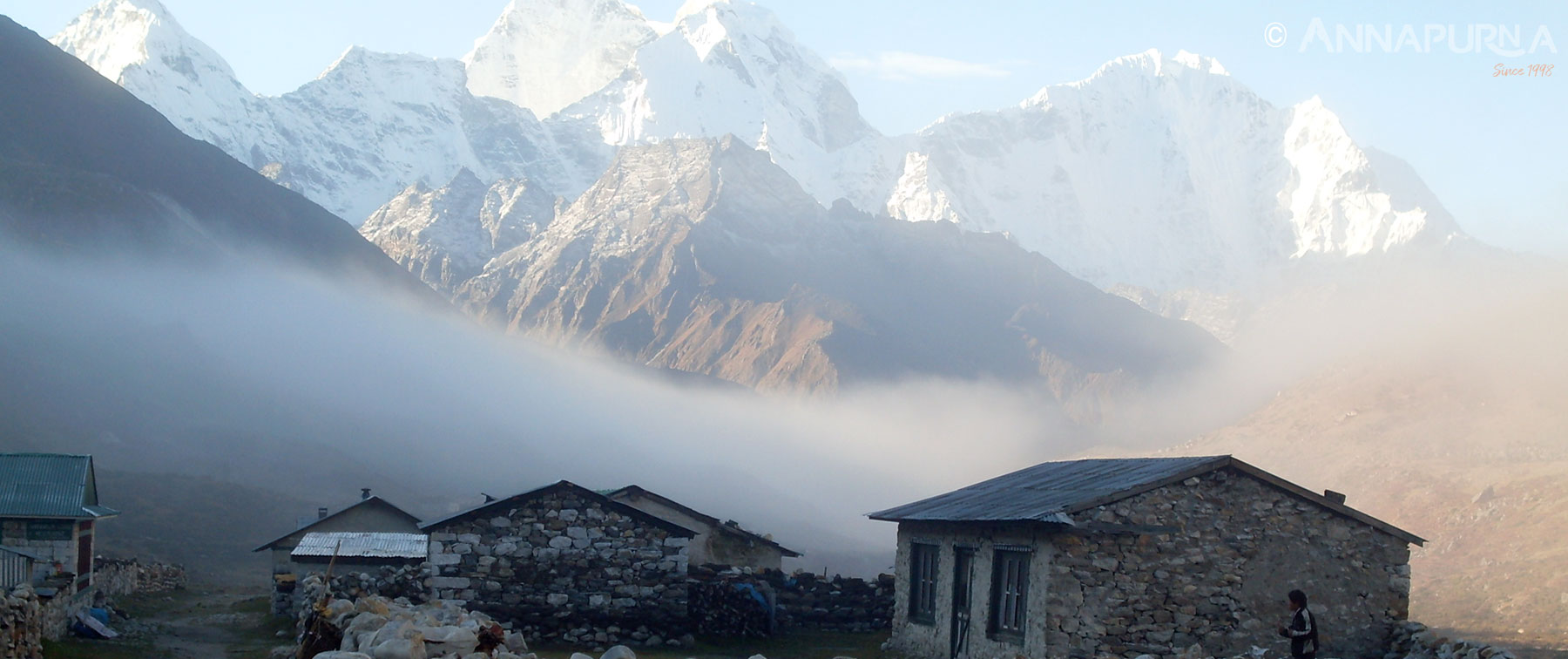
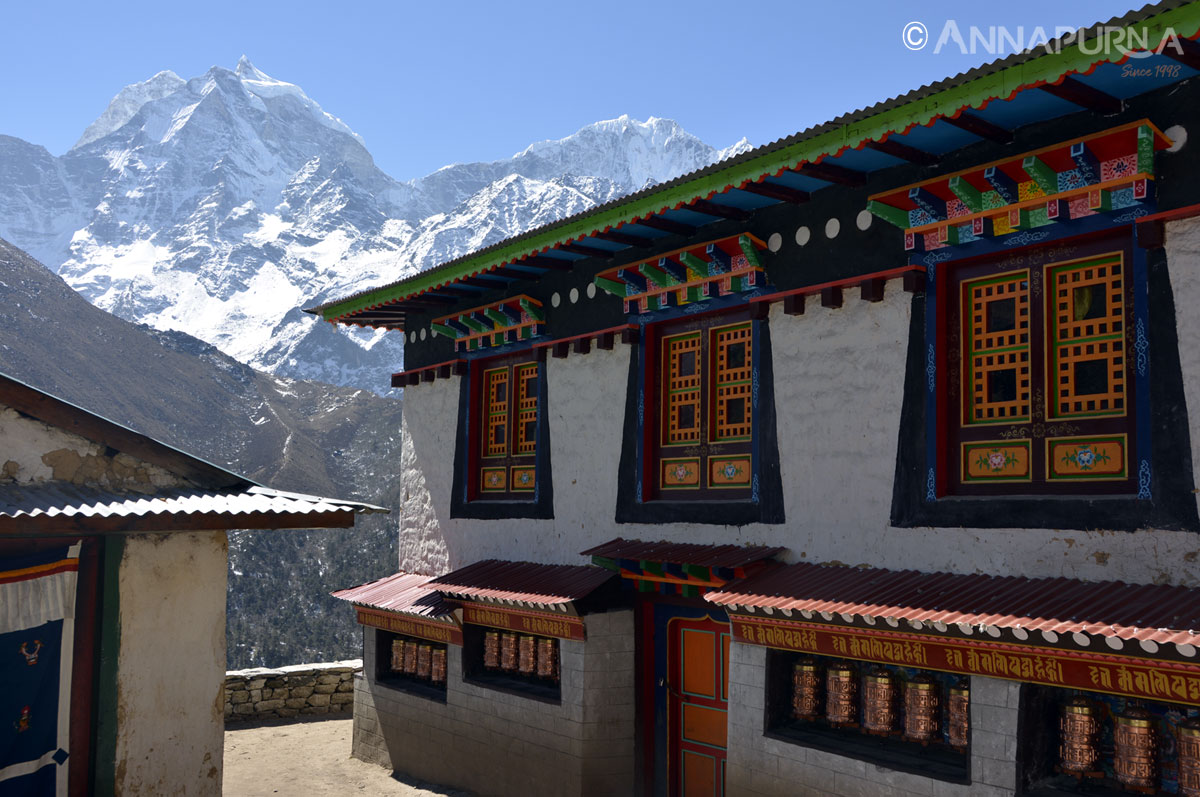
On the way back, you visit Tengboche Monastery. This is an important religious place for the Sherpa people. The monastery is surrounded by mountains, making it a peaceful and scenic spot.
You then return through Namche Bazaar and finally reach Lukla. At the end of the trek, you celebrate your journey with your Sherpa team. It is a great way to thank them for their support.
The Everest Kala Patthar Trekking is a perfect combination of adventure, nature, and culture. It takes you to high mountains, beautiful lakes, and traditional villages. Even though it is challenging, the experience is truly rewarding.
Completing this trek gives you a strong sense of achievement and unforgettable memories. It is not just a journey through the mountains, but also a journey within yourself.
For a day-to-day itinerary, hotel information, customised programs, or anything else related to your travel plan. Please get in touch with annatreks@gmail.com or WhatsApp/Message at +977 985 10 30619. You can also message us on Facebook.
Iconic Everest Perspectives: Witness the world’s highest peak from Gokyo Ri (revealing its massive northern flank) and Kala Patthar (closest panoramic viewpoint), plus Everest View Hotel.
High-Altitude Thrills: Conquer the legendary Cho La Pass (5,420m), a glaciated traverse requiring nerve and preparation.
Turquoise Lakes & Glaciers: Wonder at the ethereal Gokyo Lakes, the highest freshwater system of Nepal, set against the Ngozumpa Glacier.
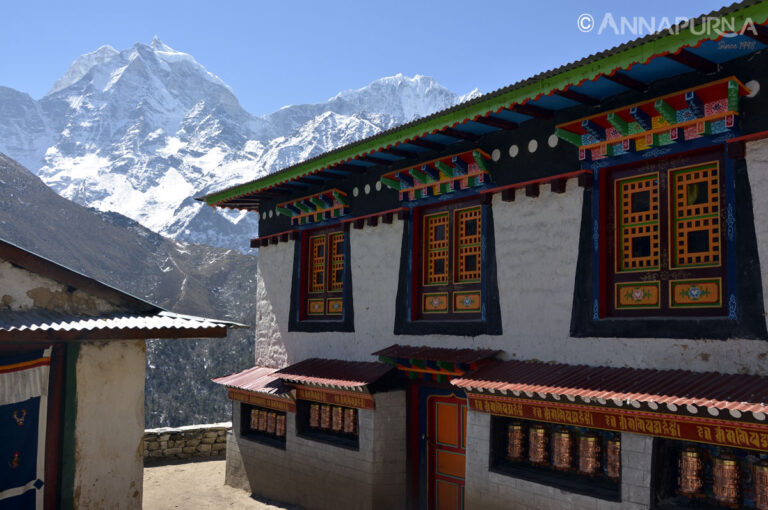
Sherpa Cultural: Experience authentic villages like Khumjung and Tengboche (home to its rebuilt monastery), plus bustling Namche Bazaar.
Unbeatable Panoramas: Surpass standard EBC with views of Everest, Lhotse, Makalu, Cho Oyu, Ama Dablam, and more from 5+ major vantage points to cherish for a lifetime.
Traditional welcome, trip briefing, and time to explore local shrines.
Visit the ancient Swayambhunath Stupa for valley views. Explore the royal Patan Durbar Square and meet the Kumari, Kathmandu’s living goddess.
Scenic early morning drive ~4-hours and flight to Lukla 15-min, meeting the trekking crew, and a gentle first trek ~3-hour.
Trek for 5 hours, first views of Mt. Everest, crossing suspension bridges, entering the bustling Sherpa “capital.”
Excursions for ~3 hours, visit Sagarmatha National Park Museum, stop at the Everest View Hotel (3,880m) for a stunning tea break with panoramic mountain vistas.
Trek for ~5 hours with steep climbs and descents, Stunning views from Mongla hill and the first sight of Cho Oyu (8,153m).
Trek for ~3 hours along an open ridge, incredible mountain vistas including Kangtega, Cho Oyu, and Gyachung Kang.
Trek for ~3 hours past glacial rivers and lakes, arrive at the stunning turquoise Gokyo Lakes with dazzling mountain views.
Trek for morning ascent +2-hour trek, summit Gokyo Ri for one of the Himalayas’ best viewpoints (Everest, Makalu, Cho Oyu). Walk on the Ngozumpa Glacier.
Trek for ~7 hours; the most challenging day, cross the high glacial Cho La Pass with epic views back to Gokyo and forward towards Everest.
Trek for ~6 hours along the Khumbu Glacier, optional trek to Everest Base Camp and a sunset hike up Kalo Patthar for iconic close-up views of Everest.
Sunrise climb + ~4-hour descent, spectacular sunrise from Kala Patthar (5,545m) for a 360° Himalayan panorama. Descend into the Imja Valley, enjoying views of Ama Dablam and traditional villages.
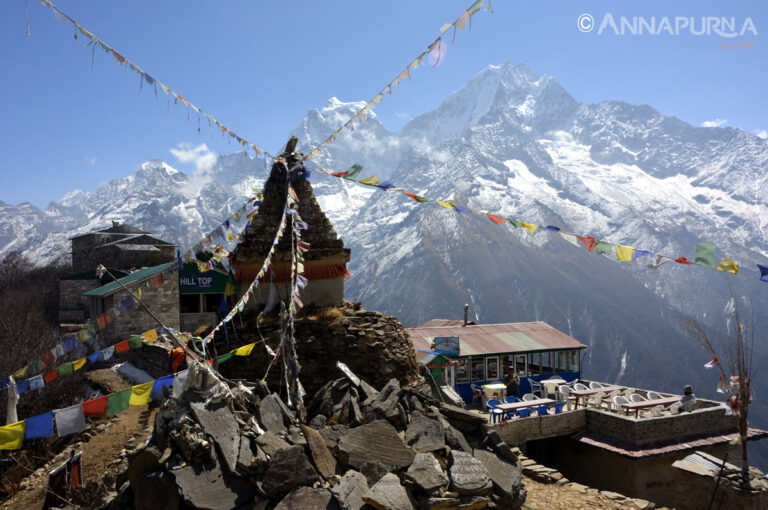
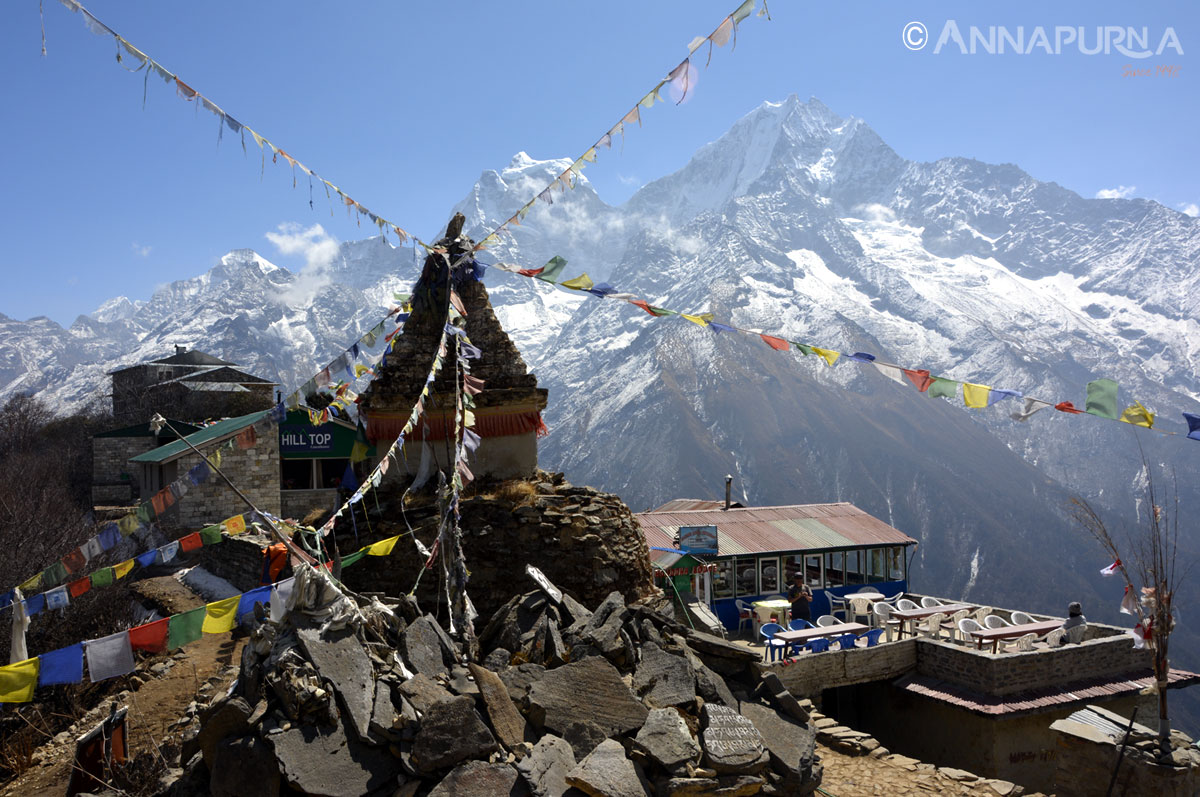
Trek for ~5 hours, A beautiful descent through ancient villages like Pangboche. Visit the famous Tengboche Monastery with its unparalleled mountain vista, including Everest and the imposing Ama Dablam.
Trek for ~5 hours, descend back to lower altitudes, enjoy final panoramic views from Mongla-Namche.
Trek for ~6 hours, a celebratory farewell dinner with your Sherpa team to mark the end of the trek.
Morning flight and drive, arriving in Kathmandu by mid-afternoon.
Deep cultural dive: the Hindu cremation ghats of Pashupatinath, the medieval architecture of Bhaktapur, and the great stupa of Boudhanath: a deep dive into the Hindu and Buddhist Nepal.
Transfer to the airport for your international flight home.
Planning a trek in the Everest Region of Nepal requires thorough preparation for its high-altitude challenges, remote terrain, and cultural experience. Based on current guidelines for 2025/2026, here is essential information for all kinds of trekkers. We prioritise your safety and sustainability, providing the necessary measures and procedures to ensure a transformative Himalayan experience.
| Distance | Aprox 180 km. |
| Duration | 18 days (14-day trek) |
| Max elevation | Kalo Patthar (5,545 m). |
| Grade | Challenging due to high Pass and altitude (walking 4–7 hours/day). |
| Highlights | Experience Everest’s grandeur from premier viewpoints (Gokyo Ri, Kalo Patthar, Everest View Hotel). Conquer the high-altitude glaciated Cho La Pass. Marvel at Nepal’s highest freshwater lakes, the Gokyo Lakes. Explore authentic villages like Khumjung, Tengboche (home to ancient monasteries), and Namche Bazaar. Go beyond standard EBC with lifetime views of Everest, Lhotse, Makalu, Cho Oyu, Ama Dablam, and more from 5+ key vantage points. |
| Route | Kathmandu → Manthali → Lukla → Phakdingma → Namche → Khumjung → Dole → Machhermo → Gokyo → Tragnak → Cho La → Dzongla → Lobuche → Gorakshep → Dingboche → Pangboche → Tengboche → Namche → Lukla |
| Category | Detail |
| Who can join these treks | The trek suits fit, health-conscious travellers aged 15+ who can comfortably use micro spikes and handle high altitude challenges. There is no upper limit on seniors’ participation if they are physically fit and medically cleared. First-timers with basic to adequate training are welcome. All treks are led by our experienced guides and helpers, providing overall care. |
| Group Policy | We specialise in premium private treks and tours. We do not combine individual travellers into groups. Your “group” is defined solely by the friends, family, or colleagues you choose to travel with when booking a specific program. This policy guarantees a personalised and exclusive adventure tailored just for you. |
| Required permits | Sagarmatha National Park Permit (for the UNESCO World Heritage Site), the Khumbu Pasang Lhamu Rural Municipality Permit (for supporting local infrastructure). |
| Guide | Guides are mandatory, solo trekking has been prohibited since April 2023. As of March 2025, all trekkers are required to hire a government-licensed guide for safety and environmental reasons. |
| Physical Preparation | Require cardio and stamina excersises for 2–4 weeks like basic running, cycling, or stair climbing (aim for 5 km in 1 hour). Strength gain training such as lunges, squats, and backpack hikes (build to 10–15 kg only if you are not taking a porter service). |
| Safety and Health | Be mindful of altitude sickness and recognise its symptoms (headaches, nausea, dizziness). Take preventative measures (such as taking Diamox/acclimatising rest days), and descend immediately if symptoms become severe. Medical Clinics are in Namche, Pheriche, and Dingboche for AMS treatment. |
| Vaccinations | Consult a doctor for recommendations (recommended for typhoid, hepatitis A/B, and tetanus). |
| Insurance | Must cover emergency helicopter rescue (up to 5,500 m) and medical service. We strongly advise all trekkers to invest a little more in addition to the trip cost and purchase comprehensive insurance that covers all kinds of emergencies, ensuring you are financially secure and prepared for unforeseen circumstances. |
| Water and Food | Avoid tap water; use purification tablets or bottled water. Menus expand at lower elevations (dal bhat, pasta, momo, noodles, apple pie). Eat carb-rich meals (daal bhat, garlic soup for altitude). Avoid meat (limited refrigeration) and salads (tap water risks). |
| Cash | There are ATMs at Lukla and Namche, but it is recommended that Nepalese rupees be carried (teahouses and remote areas often lack ATMs). Convertible currencies are accepted, but they convert at a lower rate. |
| Connectivity | Limited Wi-Fi (available for a fee in most lodges). One can buy a local SIM in Kathmandu, though coverage is limited and sporadic. |
| Best Time to Trek | October–November (clear skies) or March–May (rhododendron/orchid blooms). The short treks are open year-round. |
| Tipping | Tips for guides/porters: please allow $5–$10/day per member. |
The following table outlines seasonal packing priorities, which include all essentials, as well as a clothing layering system for variable conditions.
| Season | Clothing | Key gear |
| Spring/Autumn | Moisture-wicking base layers, insulated jacket, waterproof shell | -10° to -15°C sleeping bag, Microspikes (for High Pass). |
| Winter | Heavy thermal base, down jacket/pants, balaclava | Microspikes, -20°C sleeping bag |
| Monsoon | Quick-dry clothing, a full waterproof suit | waterproof pack cover, insect repellent, -5-10°C sleeping bag |
Clothing Layering System for Variable Conditions |
||
| Layer Type | Key Items | Purpose |
| Base Layer | Merino wool/synthetic tops and leggings | Moisture-wicking; temperature regulation |
| Mid Layer | Fleece jacket; down vest/jacket | Insulation: retains body heat |
| Outer Shell | Waterproof/windproof jacket and pants | Shields against rain, snow, and wind |
| Accessories | Warm hat, sun hat, buff, waterproof gloves (inner + outer), wool socks (2–3 pairs) | Protects extremities from cold/frostbite |
| Foot ware | Broken-in waterproof hiking boots + Camp shoes |
| Regular Essentials | Sunglasses, trekking poles (for mud/snow), reusable water bottle, headlamp, first-aid kit, portable charger, high-SPF sunscreen, lip balm, toilet paper, earplugs. |
| Backpack | 20–30L (Daypack for you). |
| Duffel Bag | ≤15 kg (for Porter). |
| First-Aid Kit | Bring personal medications, agency provides group first-aid medical box). |
| Note | Use packing cubes to organize gear. Limit clothing to 2–3 sets of quick-dry layers |
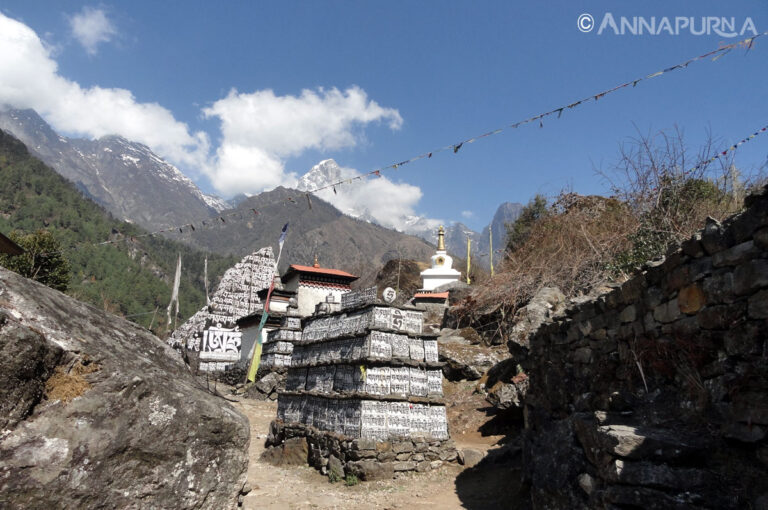
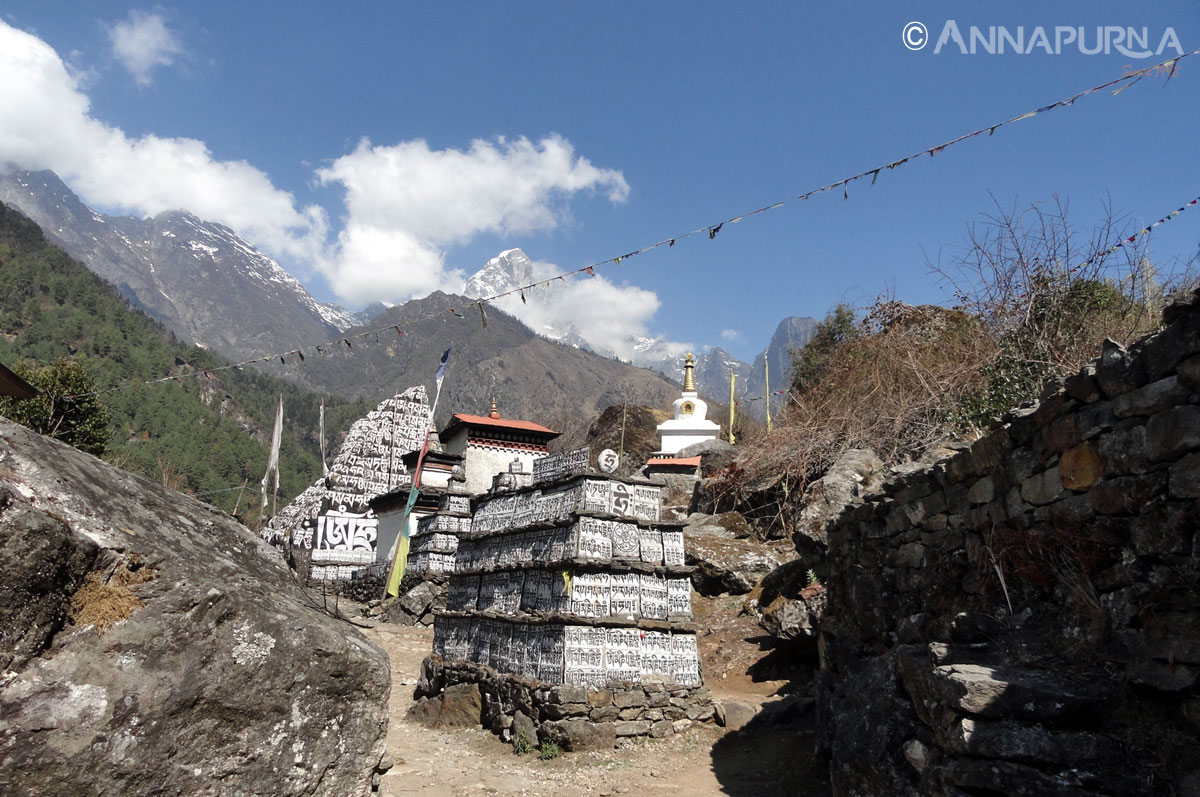
Dress modestly (cover shoulders/knees in villages).to show respect and consideration for the local culture and customs. Circumvent clockwise around the Mani walls, stupas, and monasteries, and while visiting the inside of the monasteries. Use the right hand to eat and give/receive items. Remove your shoes/sandals when entering the kitchen, visiting homes, monasteries and temples. And ask permission before photographing people / temples / monasteries. Avoid photographing children when they are alone or without family permission. Avoid public displays of affection. For eco practices, carry out trash, use biodegradable products, and avoid plastic bottles(carry a reusable water bottle).
Rent/buy a down jacket/sleeping bag in Kathmandu to save space.
Please contact at annatreks@gmail.com

I had always thought that trekking in Nepal required a looong time and that it had to be done in either spring or autumn. That was until a friend told me that it was also possible to do it in winter, and that you can reach places like the Everest...
Read More
[gallery columns="1" link="file" size="full" ids="5878"] [gallery size="full" columns="1" ids="5903"]
Read More
In August 2025, my wife and I decided to take the famous Everest Base Camp trek with Annapurna Treks, and we had a wonderful experience thanks to the company's excellent organization. We had never been to Nepal before, but we knew that during the monsoon season there was a high...
Read More