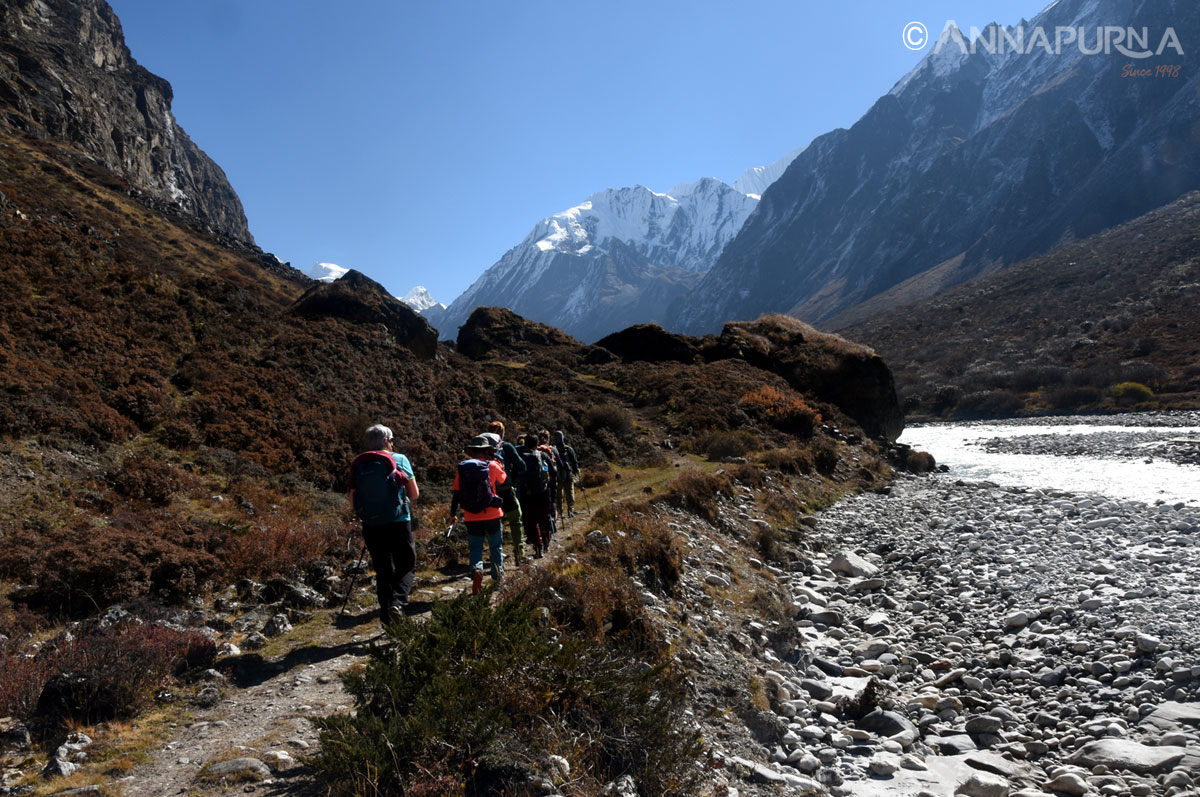
Langtang Valley Trek, Ganja La Pass and Helambu Trek
Langtang Valley Trek, Ganja La Pass and Helambu Trek
$ / Per Person
Introduction – Langtang Valley Trek with Ganja La Pass
This 14-day Langtang Valley Trek with Ganja La Pass begins the moment you arrive in Kathmandu. After an overnight rest and recovery from jet lag, you will enjoy an introductory guided sightseeing tour of the city, home to seven UNESCO World Heritage sites, including ancient stupas, temples, palace squares, and colorful bazaars.
From Low Land Scenic Valleys to High Mountain Passes
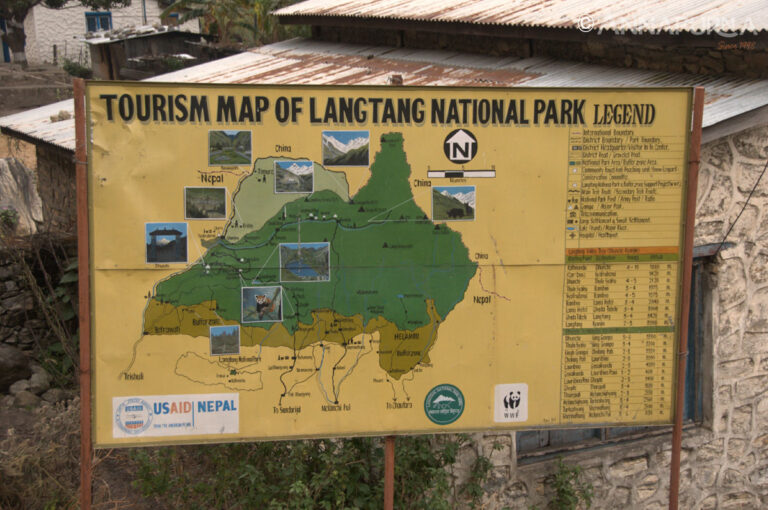
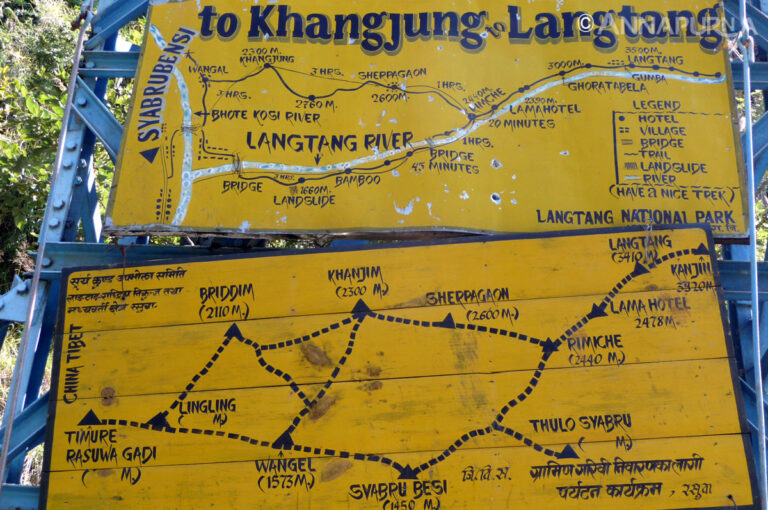
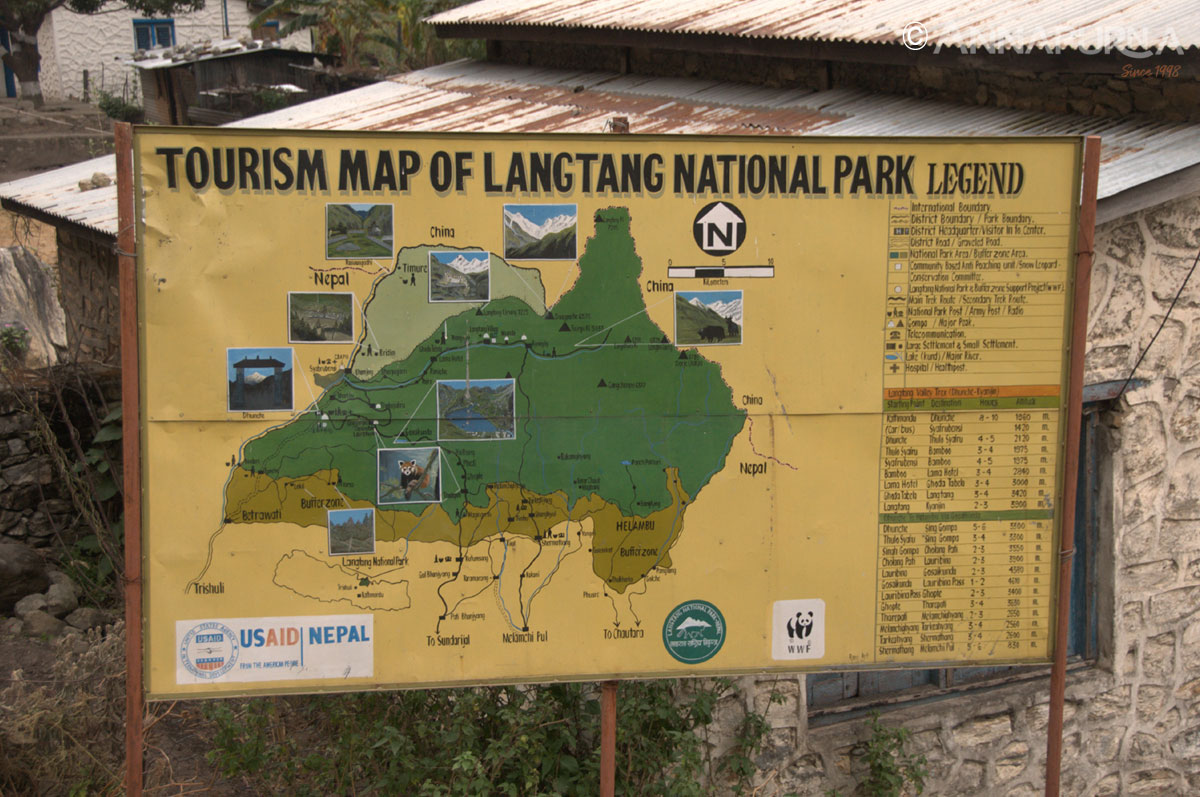
The Langtang Valley Trek with Ganja La Pass trek begins with a scenic 5-hour drive to Syabrubesi (1,504m), the true trek starting point. The winding road passes through picturesque villages, lush green hills, and river valleys. Along the way, you can visit places such as Dhunche, the headquarters of Langtang district, and Langtang National Park, where the mountain scenery becomes increasingly dramatic.
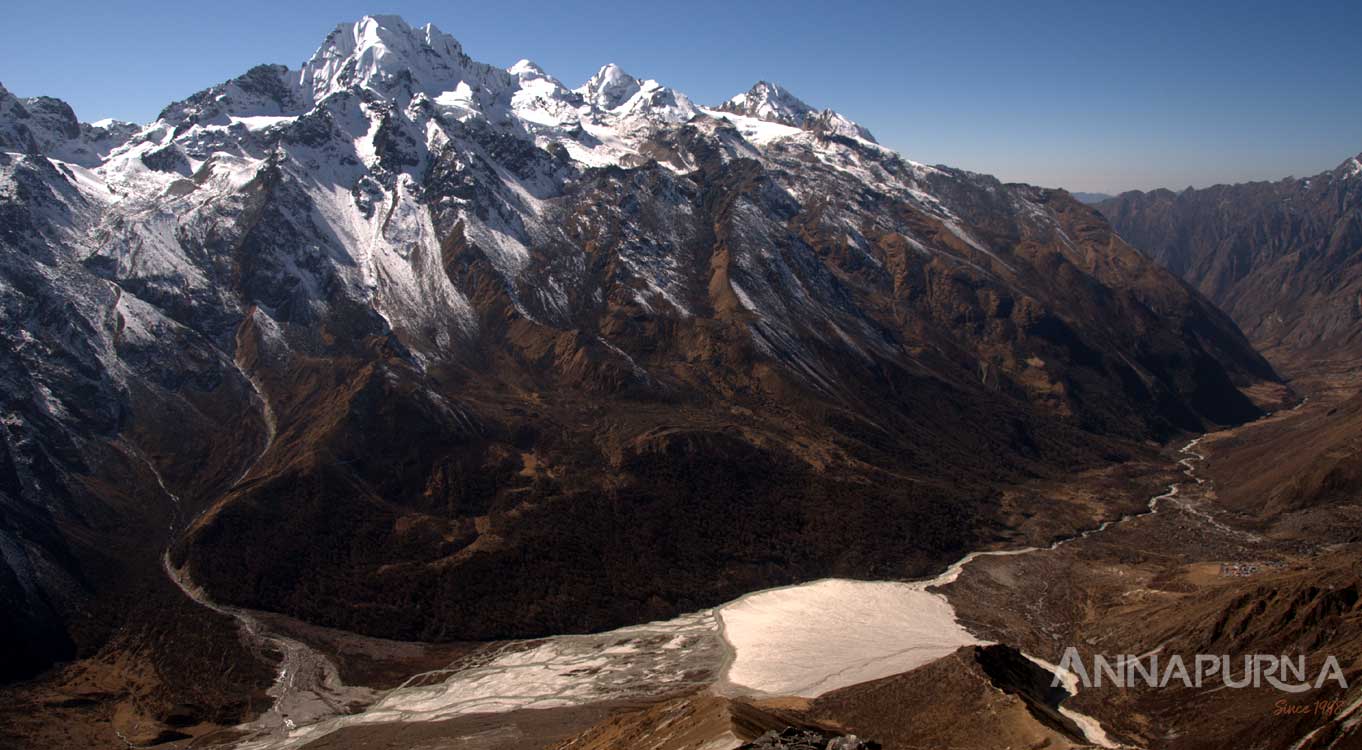
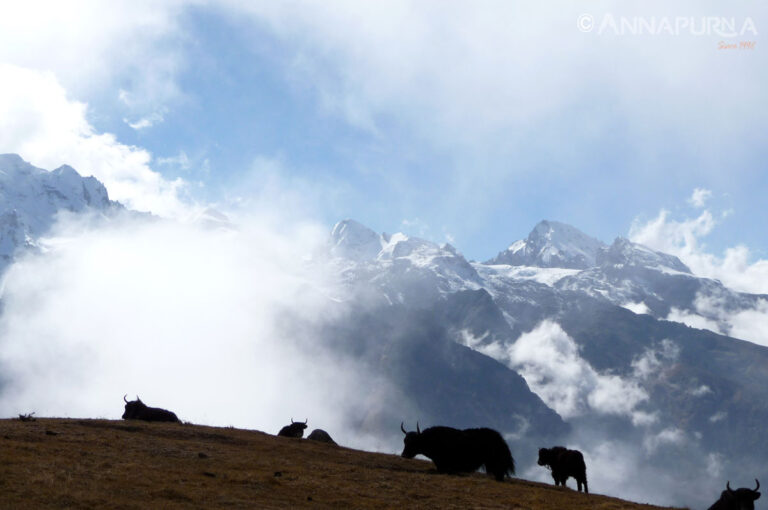
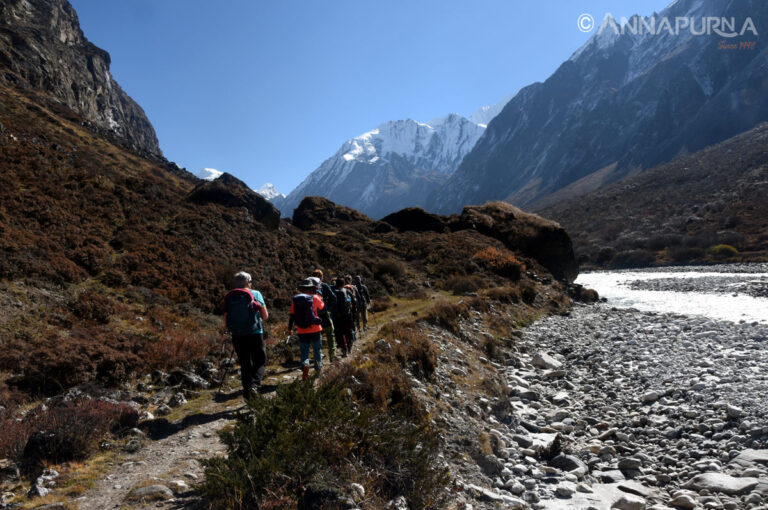
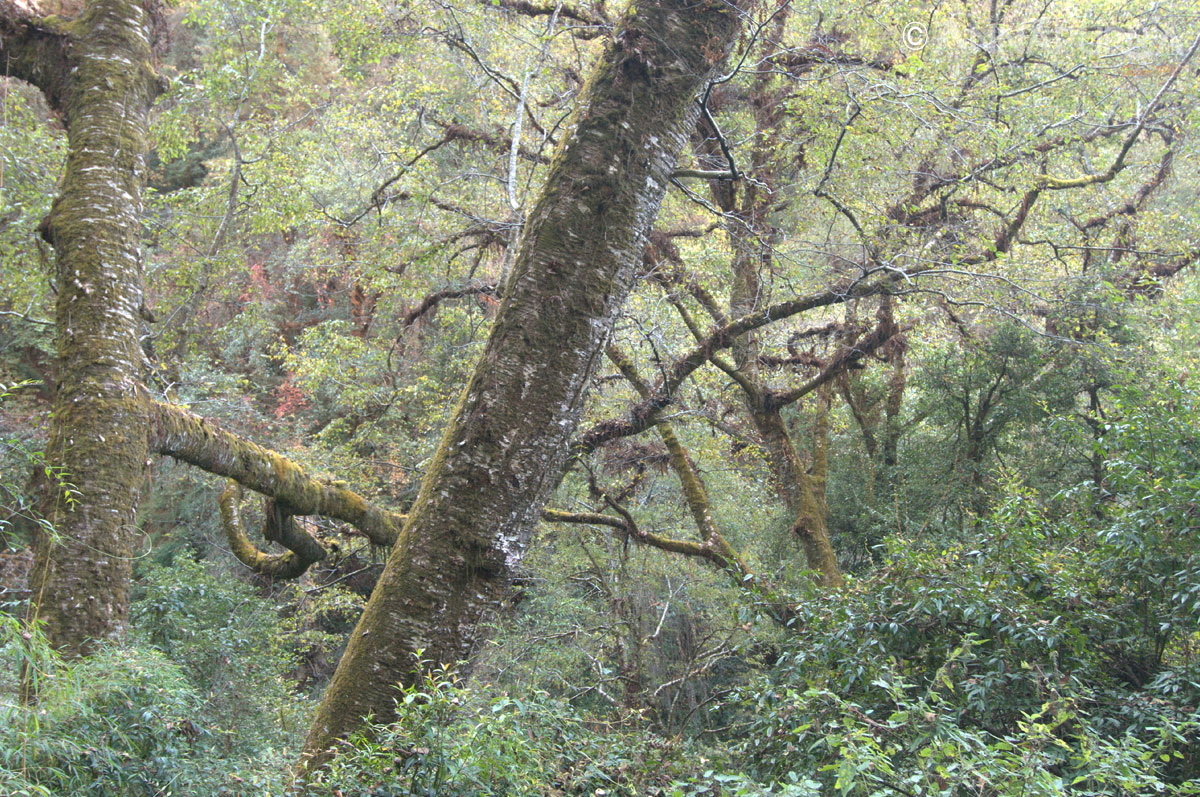
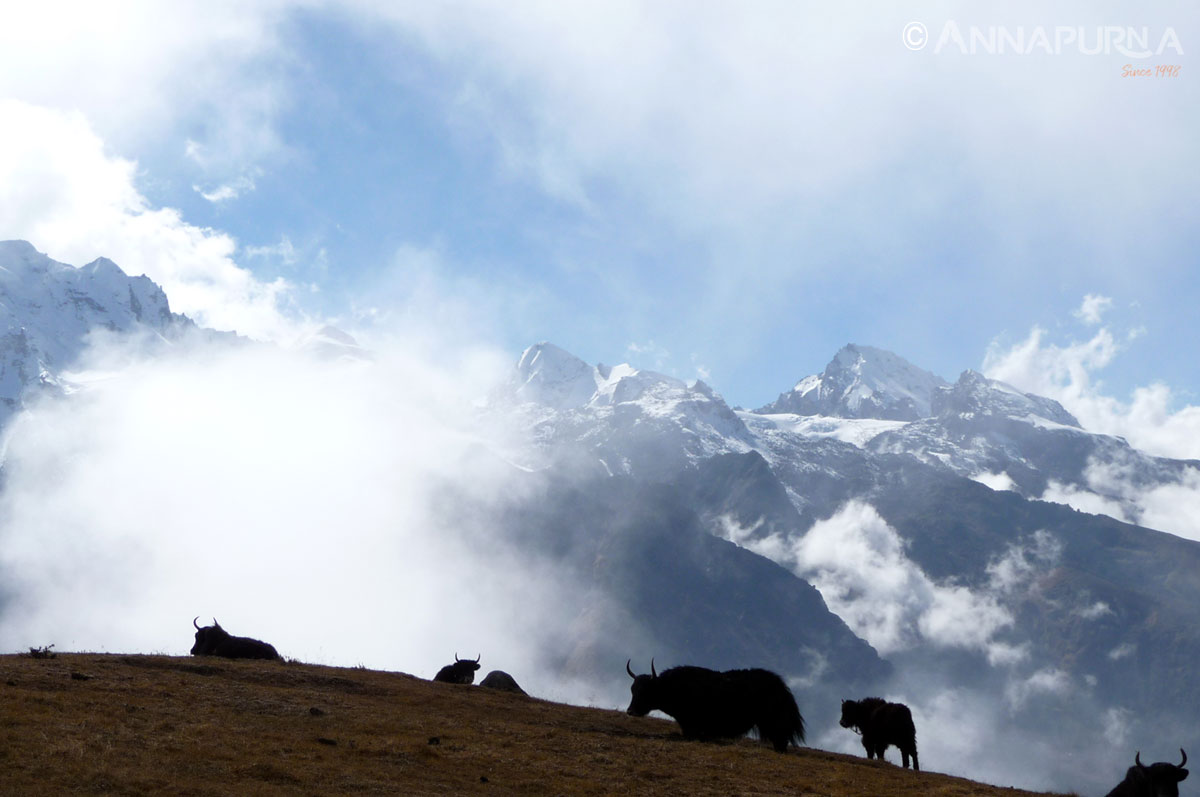
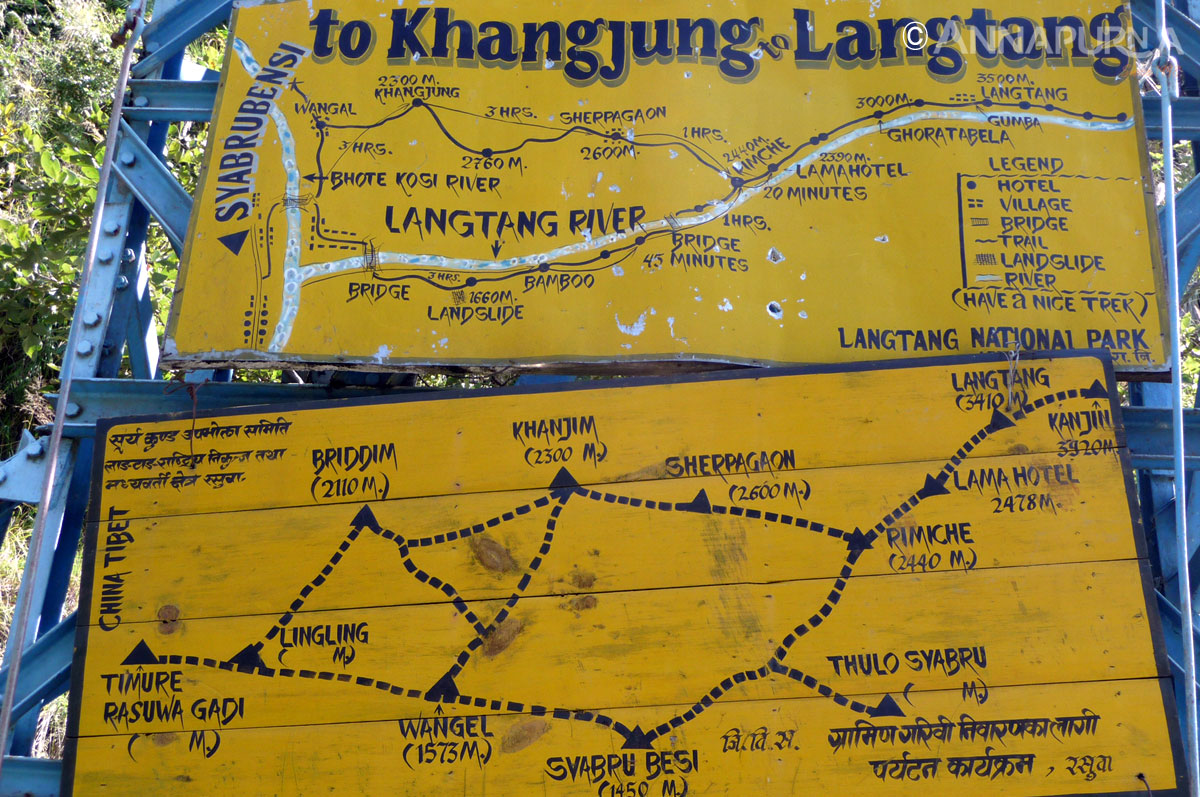
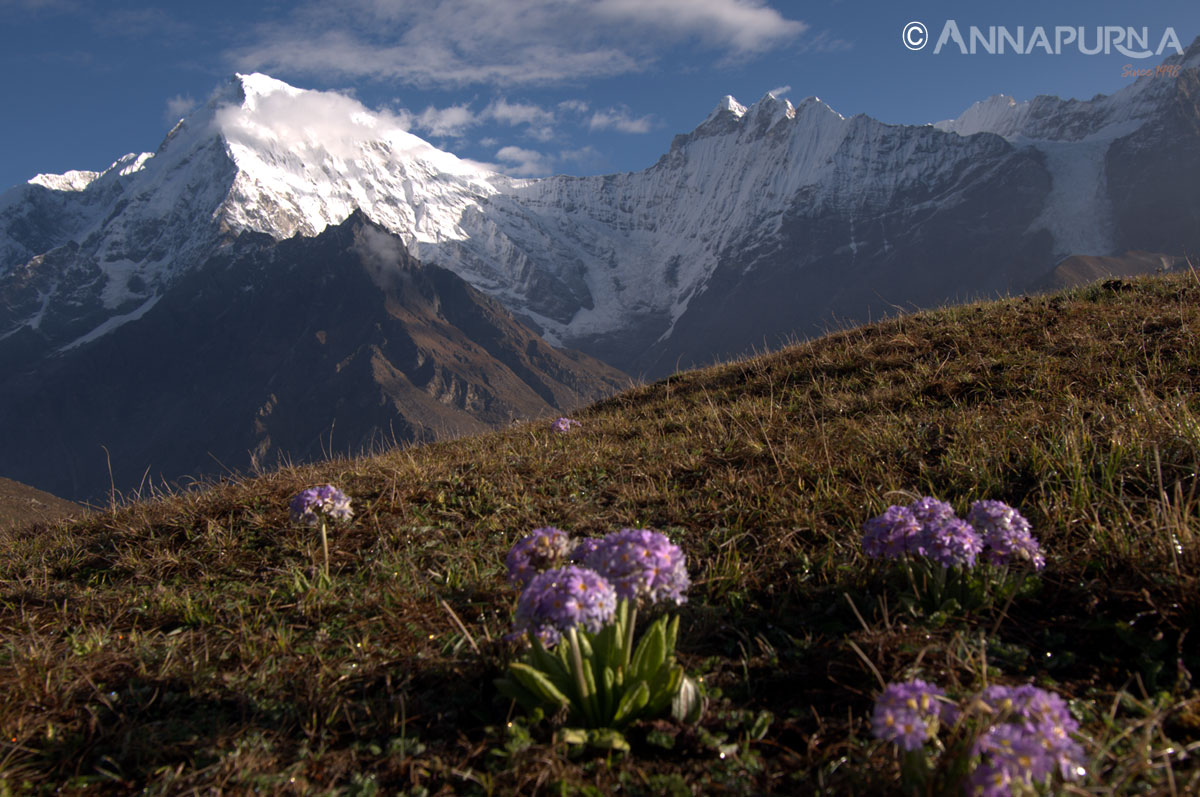
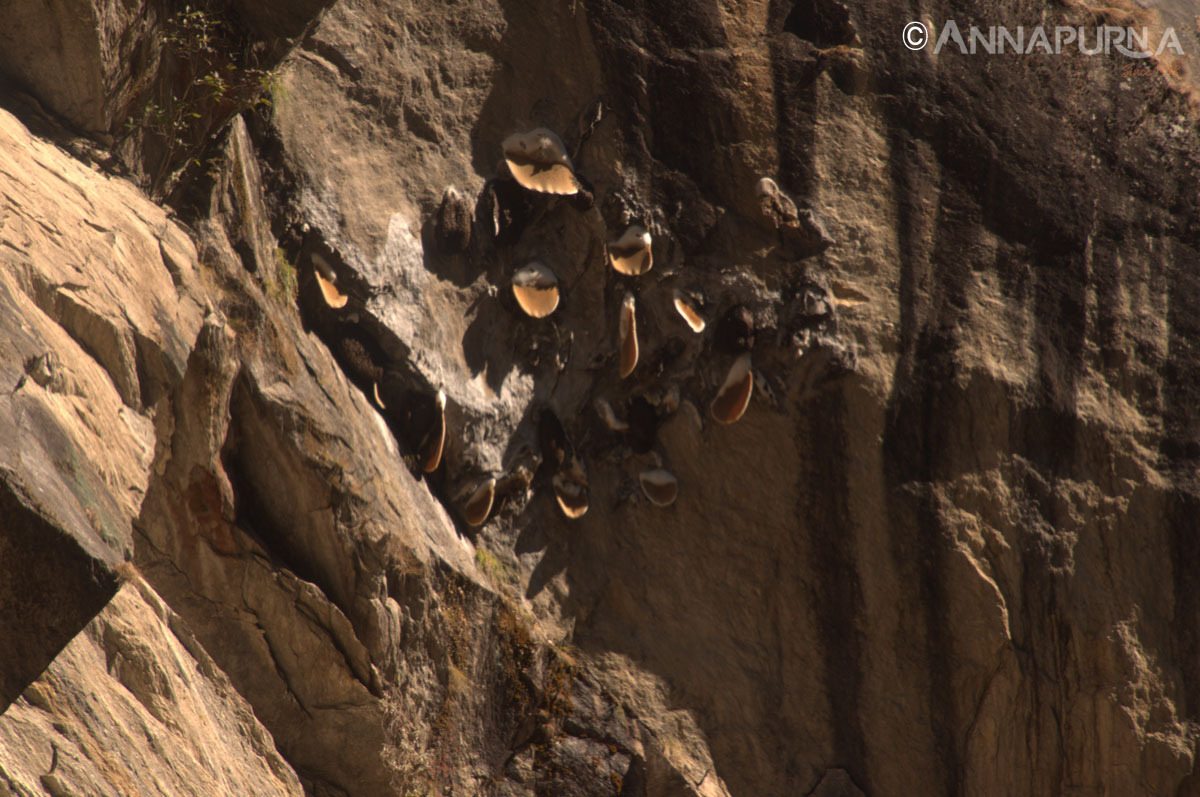
The trail ascends along the Langtang River, leading you through bamboo forests and across suspension bridges. Along the way, you will see wild beehives clinging to cliffs and stop for a rest at Lama Hotel (2,450m). As the landscape opens up, you pass through yak pastures and alpine meadows before reaching Langtang Village (3,430m). Although the 2015 earthquake had a devastating impact on the village, the local community has rebuilt it with remarkable resilience and hope. Throughout this section, the towering peak of Langtang Lirung provides spectacular scenery.
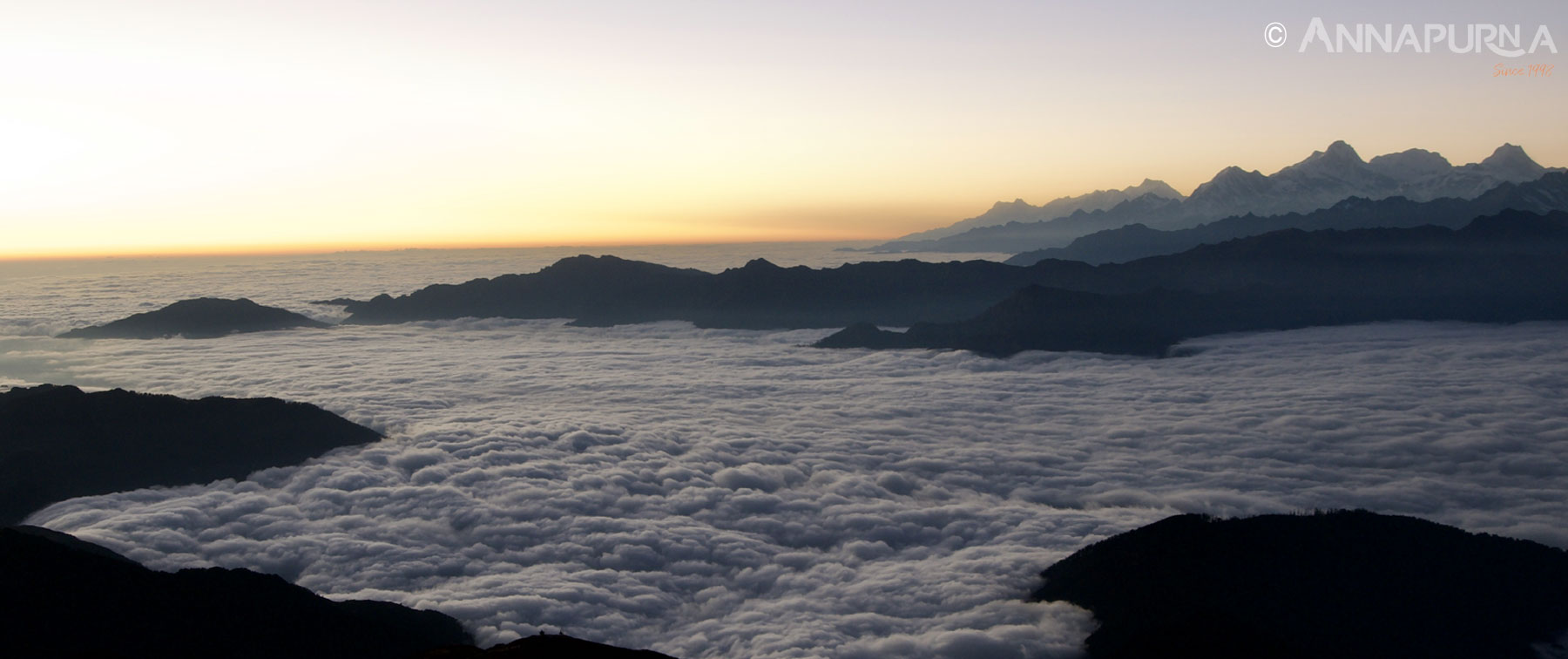
From there, you continue to Kyanjin Gompa (3,830m), a peaceful village nestled among magnificent mountains. From this base, you can hike up Kyanjin Ri (4,773m) for incredible panoramic views of the Langtang range, Jugal Himal, and Ganchenpo.
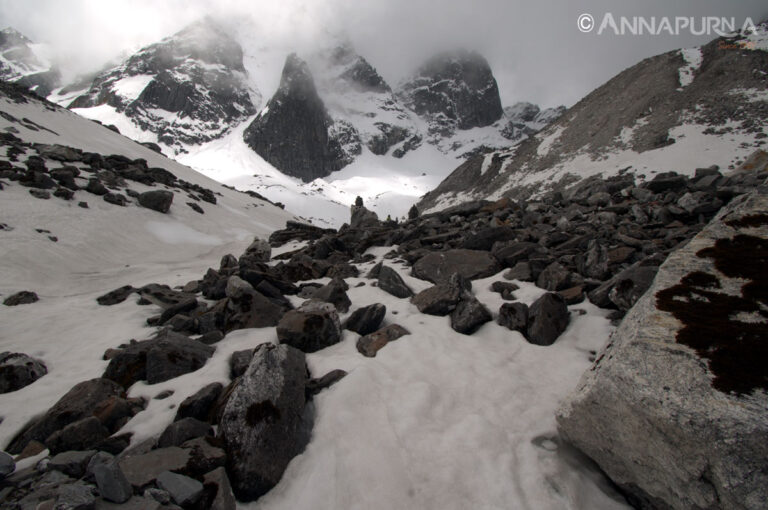
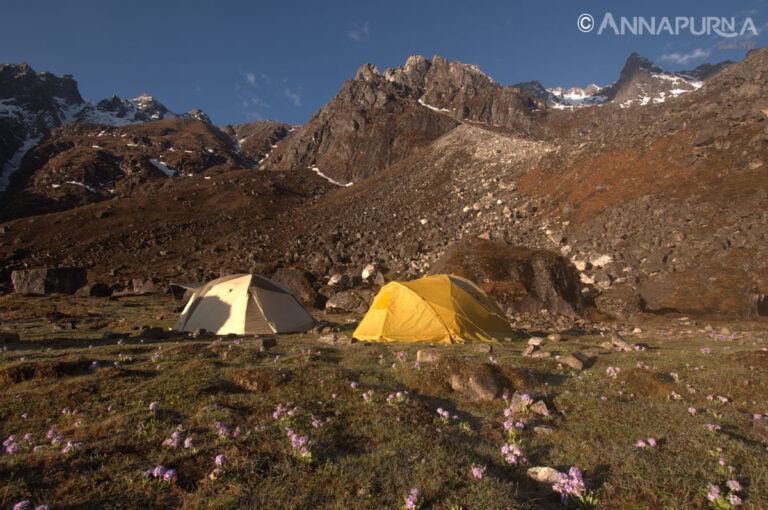
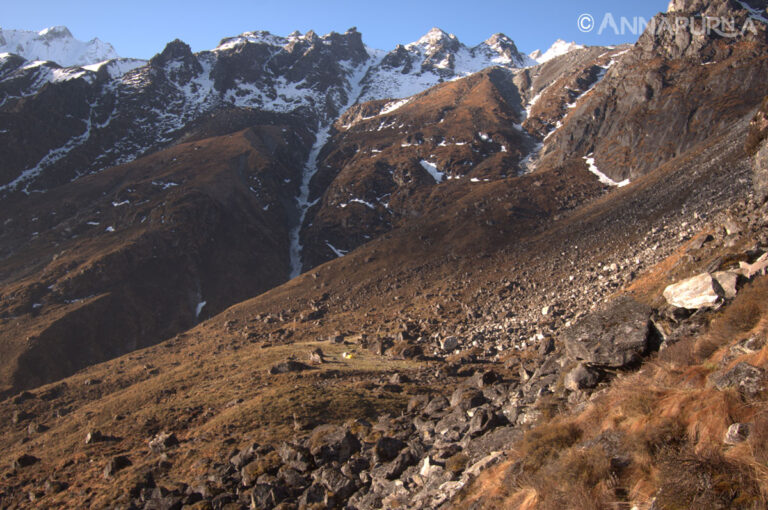
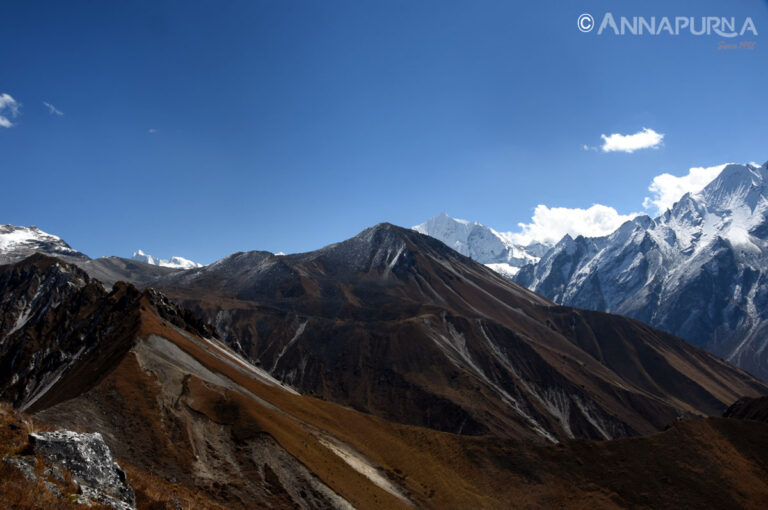
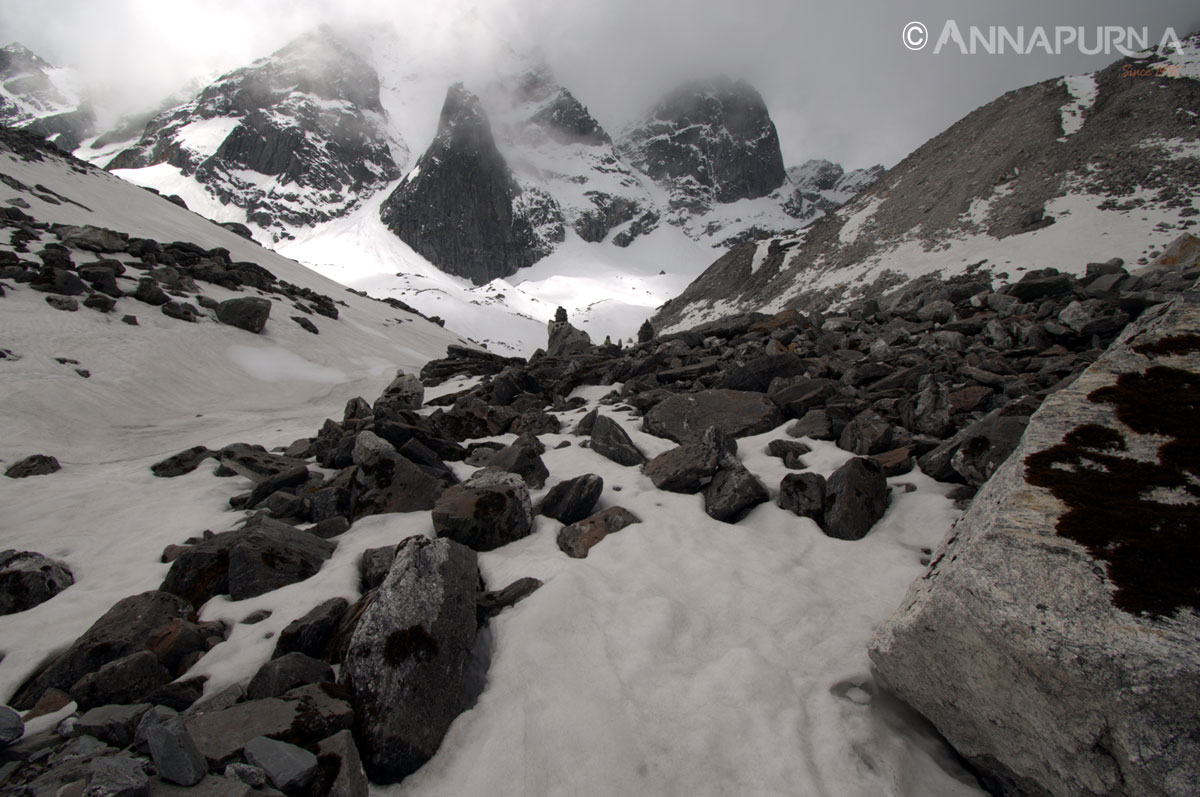
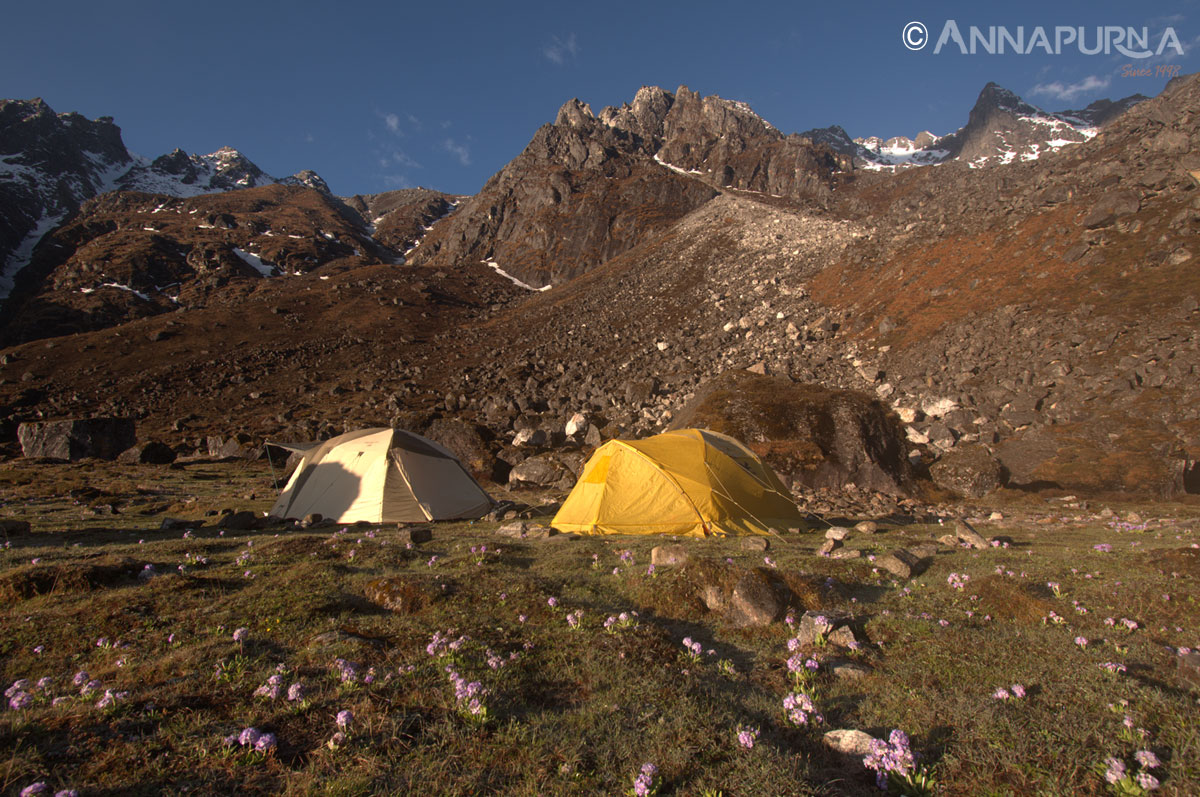
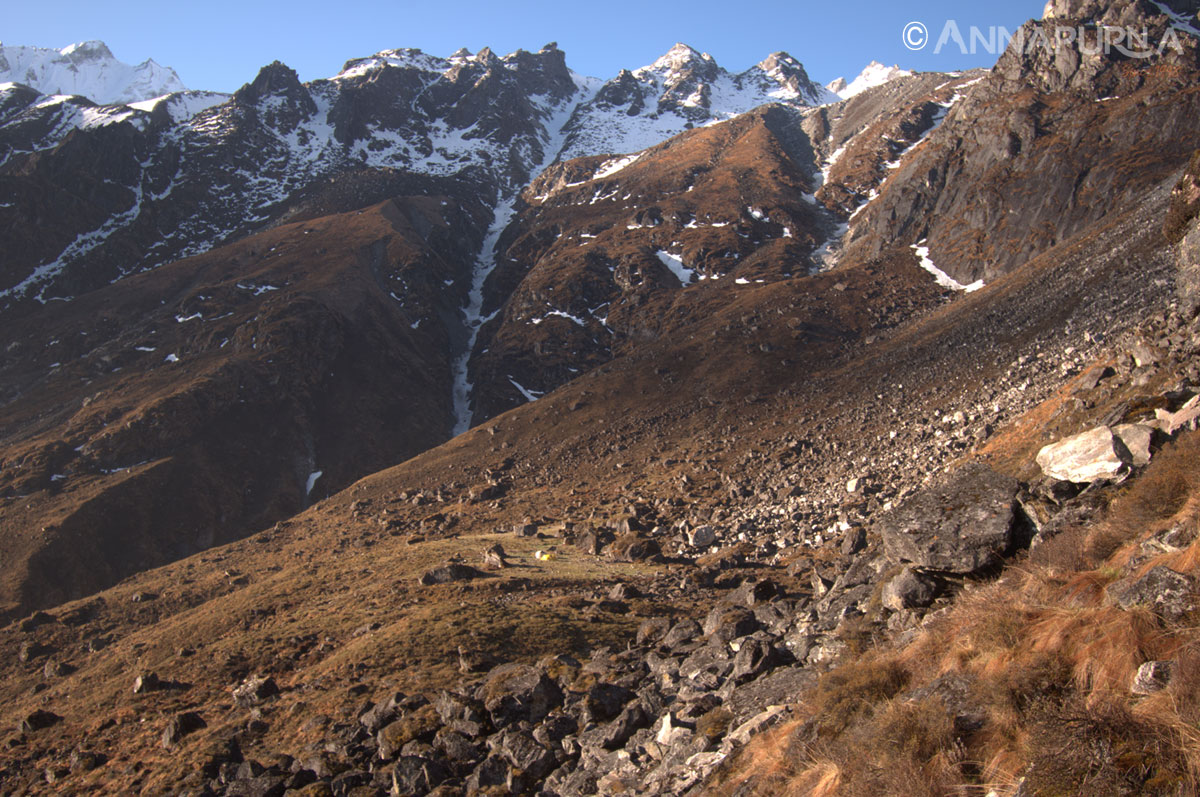
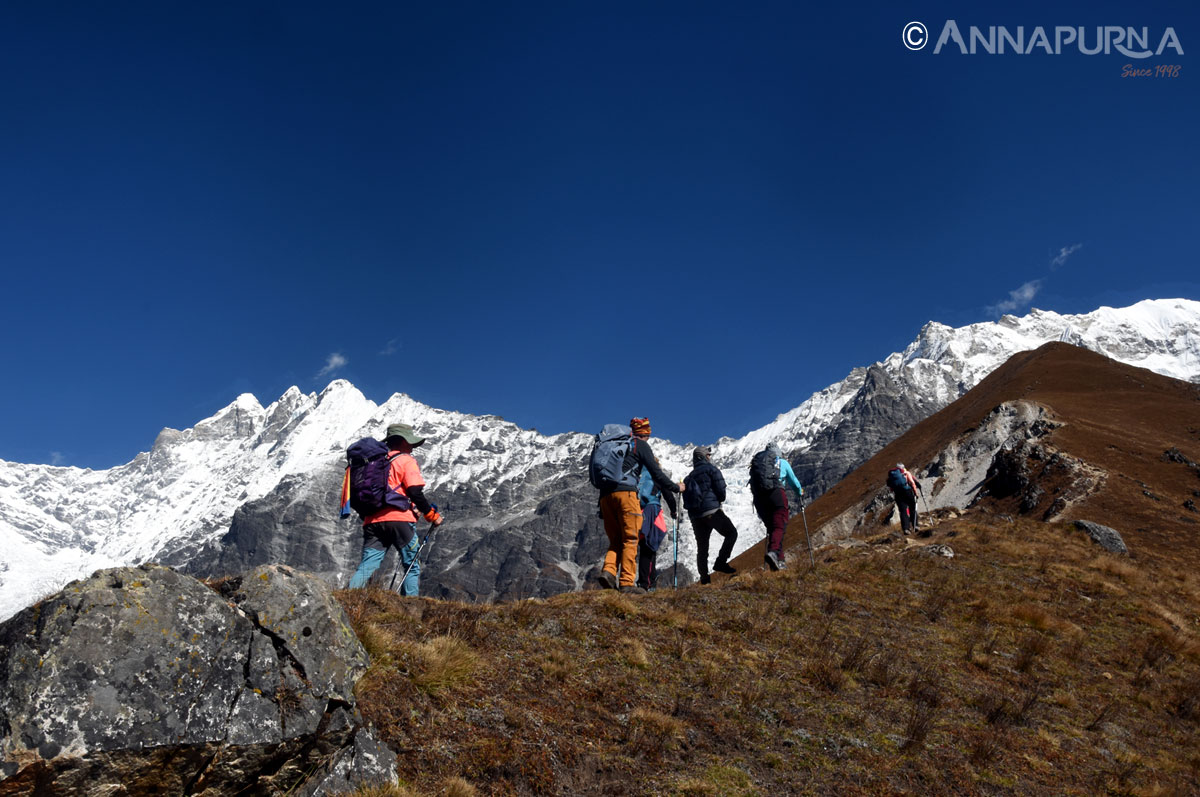
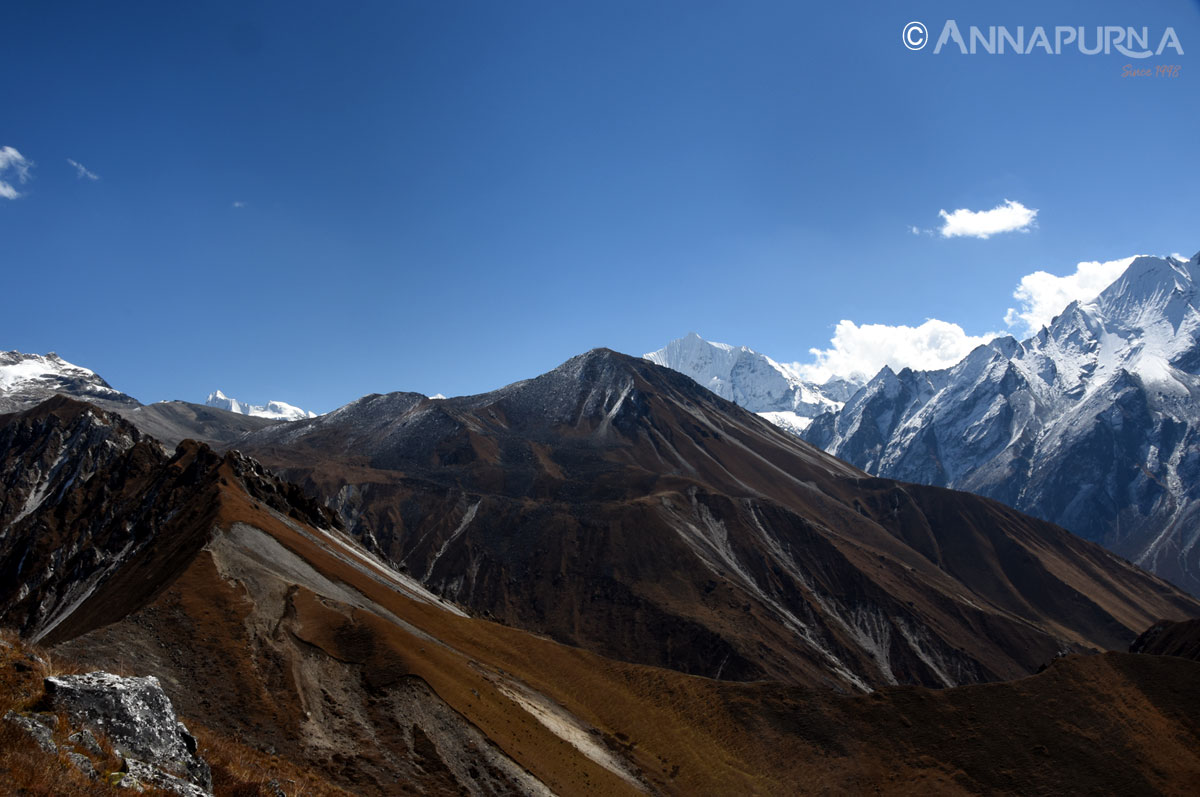
The sense of wilderness deepens as you leave Kyanjin and head toward Ngen-Gang Kharka (4,000m). The most challenging part of the journey follows: crossing Ganja La Pass (5,122m). Although the ascent is steep and demanding, the effort is rewarded with close-up views of Naya Kanga and the Langtang mountains. After crossing the pass, you carefully descend a steep, sometimes icy trail down to Keldang Kharka (4,270m). The Langtang Valley Trek with Ganja La Pass is a true trekking adventure. After the journey, you will have experienced a memorable high-altitude adventure and discovered some of the hidden gems of Nepal.
Culture, Nature, and Lasting Memories
Heading southeast, the trail passes through remote high pastures to Dhukpa (4,040m) before gradually descending into the culturally rich region of Helambu, where life follows a slower, more traditional rhythm.
You will then reach Tarkye Ghyang (2,600m), a traditional village inhabited by the Hyolmo ethnic group. Here, you can visit the local monastery (Ghyang) and experience the warmth and hospitality of the Hyolmo Sherpa.
On the final day, the trail winds through pristine forests to Sermathang (2,590m). After a short walk, your supporting vehicle will drive back to Kathmandu, passing through Melamchi Bazaar and Dhulikhel.
After completing the Langtang Valley Trek, you will carry lasting memories of soaring mountains, ancient monasteries, resilient communities, and the spirit of adventure found in the high Himalayas.
Why Choose the Langtang Valley Trek with Ganja La Pass?
If you are looking for a bit of Himalayan Adventure Trek that is less crowded yet equally spectacular, the Langtang Valley Trek with Ganja La Pass is an ideal choice.
The Langtang Valley Trek with Ganja La Pass offers:
Stunning mountain and glacier scenery
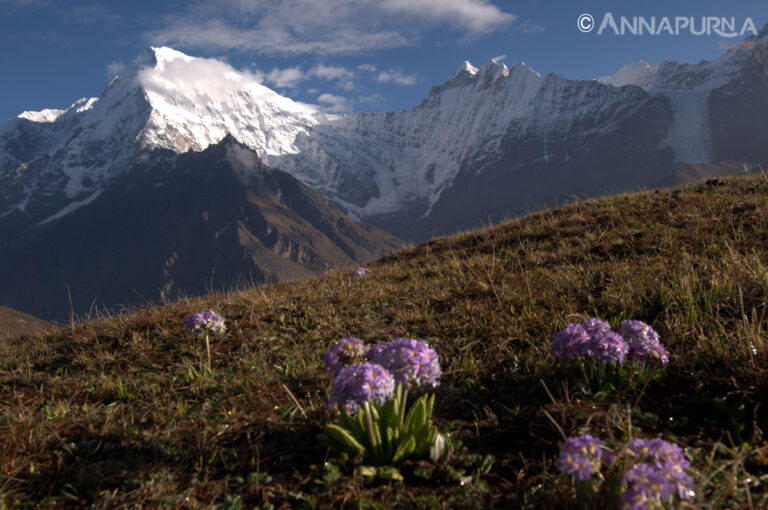
Diverse landscapes, from subtropical forests to alpine meadows
Cultural immersion with the Tamang and Hyolmo people
The thrilling challenge of crossing Ganja La Pass
For a day-to-day itinerary, hotel information, customised programs, or anything else related to your travel plan. Please get in touch with annatreks@gmail.com or WhatsApp/Message at +977 985 10 30619. You can also message us on Facebook.
Trip Snapshot
Best Seasons: March-May, September-November. Accommodation: Teahouses (Lodges) + Camping (Tents at high camps) Max. Elevation: 5,122m (Ganja La Pass) Route: Kathmandu → Syabrubesi → Langtang Valley → Kyanjin → Ganja La Pass → Helambu (Tarkye-Ghyang/Sermathang) → Kathmandu Grade: Challenging (due to high passes & technical terrain).
Why This Trip?
Conquer a Technical High Pass: Test your endurance as you cross the demanding Ganja La Pass (5,122m), a glacial moraine that requires ropes, ice navigation, and nerves on steep descents.
Alpine Wilderness & Rebirth: Trek through the dramatic Langtang Valley, witnessing its revival after the 2015 earthquake, surrounded by 7,000m giants like Langtang Lirung.
Beyond the Beaten Path: Experience isolation in high pastures (Ngen-Gang/Keldang) and descend into the culturally rich Helambu region, far from standard trails.
Hyolmo Cultural Experience: Engage with the Hyolmo Sherpa communities in Tarkye-Ghyang and Sermathang, exploring monasteries and intricate woodcraft traditions.
Panoramic High-Altitude Vistas: Summit Kyanjin Ri (4,773m) and Tsergo Ri (4,984m) for jaw-dropping views of Langtang Himal, Jugal Himal, and Tibetan border peaks.
1
Arrival in Kathmandu (1,350m)
Traditional welcome, trip briefing, and time to explore local shrines.
2
Kathmandu
Free day for preparation or optional UNESCO World Heritage site tour
3
Drive to Syabrubesi (1,504m)
Scenic 5-hour drive through villages, valleys, and the entrance to Langtang National Park at Dhunche.
4
Trek to Lama Hotel (2,450m)
Trek for ~6 hours, follow the Langtang River through lush forests and cross suspension bridges.
5
Trek to Langtang Village (3,430m)
Trek for ~6 hours, emerge above the tree line for stunning views of Langtang Lirung and visit the village rebuilt after the 2015 earthquake.
6
Trek to Kyanjin Gompa (3,830m) and Hike to Kyanjin Ri (4,773m)
Trek for ~3 hours + hike, Short trek into the high valley. Afternoon hike to Kyanjin Ri for breathtaking panoramic mountain views and acclimatisation.
7
Hike to Tsergo Ri (4,984m)
Full-day excursion (~6-hr) up and down, challenging and rewarding day hike to one of the highest viewpoints of the region for an unforgettable 360-degree Himalayan panorama.
8
Trek to Ngen-Gang Kharka (4,000m)
Trek for ~3 hours, begin the adventure off the main trail, with majestic views back towards Kyanjin and the Langtang range.
9
Cross Ganja La Pass (5,122m) to Keldang Kharka (4,270m)
Trek for ~7 hours, the major challenge day of the trek. Cross the high, often snowy pass requiring fixed ropes, rewarded with incredible close-up views of the peaks.
10
Trek to Dhukpa (4,040m)
Trek for ~ 6 hours, trek through remote, high valleys with expansive, unobstructed mountain views.
11
: Trek to Tarkye-Ghyang (2,600m)
Trek for ~6 hours, descend into the Helambu region, arriving at a beautiful Hyolmo village with a historic monastery.
12
Rest Day in Tarkye-Ghyang
Cultural exploration of the village, known for its intricate woodcarvings and Buddhist heritage.
13
Trek to Sermathang (2,590m)
Trek for ~5 hours, a pleasant walk through forests and past chortens to another traditional Hyolmo village.
14
Trek to road & Drive to Kathmandu
A short walk to the road followed by a scenic ~4 hour drive back to Kathmandu.
15
Kathmandu
Transfer to the airport for your international flight home.
16
Departure
Transfer to the airport for your international flight home.
Essential Info
for Langtang Ganja La Pass Trekking
The Langtang Valley, located on the northern border line with ofet, is part of Langtang National Park, offering a breathtaking blend of Himalayan landscapes, rich Tamang and Tibetan culture, and spiritual serenity. The key features of the region include diverse landscapes (glacial valleys, rhododendron forests, and alpine meadows), as well as Tamang and Tibetan cultures, and sacred sites like Gosaikunda Lake. The Langtang Region offer a serene experience distinct from Everest or Annapurna. Langtang National Park hosts red pandas, Himalayan tahrs, and snow leopards. The following information is designed to help you prepare well for your trek in the region.
1. Practical Informations
Category
Detail
Who can join these treks
The trek suits fit, health-conscious travellers aged 18+ who can handle high altitudes and other minor uphill/downhill challenges. With no upper limit, seniors can join if they are physically fit and medically cleared. First-timers are welcome with basic to adequate training. All treks are led by our experienced guides and helpers, with overall care provided.
Group Policy
We specialise in premium private treks and tours. We do not combine individual travellers into groups. Your “group” is defined solely by the friends, family, or colleagues you choose to travel with when booking a specific program. This policy guarantees a personalised and exclusive adventure tailored just for you.
Required permits
Langtang National Park Permi
Guide
Guides are mandatory, solo trekking has been prohibited since April 2023. As of March 2025, all trekkers are required to hire a government-licensed guide for safety and environmental reasons.
Physical Preparation
Physical preparation is key to a successful trek. We recommend 2-3 weeks of cardio and stamina exercises, focusing on basic running, cycling, or stair climbing (aim for 5 km in 1 hour). Strength gain training, such as lunges, squats, and backpack hikes (build to 10–15 kg only if you are not taking a porter service), will also be beneficial.
Safety and Health
Be mindful of Altitude Sickness, recognise symptoms (headaches, nausea, dizziness)and descend immediately if symptoms become severe.
Vaccinations
Consult a doctor for recommendations (recommended for typhoid, hepatitis A/B, and tetanus).
Insurance
Must cover emergency helicopter rescue (up to 5,500 m) and medical service. We strongly advise all trekkers to invest a little more in addition to the trip cost and purchase comprehensive insurance that covers all kinds of emergencies, ensuring you are financially secure and prepared for any unforeseen circumstances.
Water and Food
Avoid tap water; use purification tablets/bottled water. Menus expand at lower elevations (daal bhat, pasta, momo, noodles, apple pie). Eat carb-rich meals (daal bhat, garlic soup for altitude). Avoid meat (limited refrigeration) and salads (tap water risks).
Cash
There are no ATMs between Kathmandu and Langtang Trek areas; it is recommended to carry some cash in Nepalese Rupees or a convertible currency. Convertible currencies are accepted, but they convert at a lower rate.
Connectivity
Limited Wi-Fi (available for a fee in most lodges). One can purchase a local SIM Card in Kathmandu, though coverage is limited and sporadic.
Best Time to Trek
September–January (clear skies) or March–May (rhododendron blooms). The Langtang Valley trek and Tamang Heritage treks are open year-round.
Tipping
Tips for guides/porters: please allow $5–$10/day per member.
2. Gear and Practical Essentials
The following table outlines seasonal packing priorities, which include all essentials, as well as a clothing layering system for variable conditions.
Season
Clothing
Key gear
Spring/Autumn
Moisture-wicking base layers, insulated jacket, waterproof shell
-10° to -15°C sleeping bag, Microspikes (for High Pass).
Winter
Heavy thermal base, down jacket/pants, balaclava
Microspikes, -20°C sleeping bag
Monsoon
Quick-dry clothing, a full waterproof suit
waterproof pack cover, insect repellent, -5-10°C sleeping bag
Clothing Layering System for Variable Conditions
Layer Type
Key Items
Purpose
Base Layer
Merino wool/synthetic tops and leggings
Moisture-wicking; temperature regulation
Mid Layer
Fleece jacket; down vest/jacket
Insulation: retains body heat
Outer Shell
Waterproof/windproof jacket and pants
Shields against rain, snow, and wind
Accessories
Warm hat, sun hat, buff, waterproof gloves (inner + outer), wool socks (2–4 pairs)
Protects extremities from cold/frostbite
3. Always Include
Foot ware
Broken-in waterproof hiking boots + Camp shoes.
Essentials
Sunglasses, trekking poles (for mud/snow), reusable water bottle, headlamp, first-aid kit, portable charger, high-SPF sunscreen, lip balm, toilet paper, earplugs.
Backpack
30–40L (Daypack for you).
Duffel Bag
≤15 kg (for Porter).
Climbing Gear
Bring harness, helmet and Microspikes; agency provides group gear.
First-Aid Kit
Bring personal medications, agency provides group first-aid medical box).
Note
Use packing cubes to organize gear. Limit clothing to 2–3 sets of quick-dry layers
4. Teahouses/Lodge Information
On your trek, you will stay in simple, family-run lodges located along the trail. The lodges in Langtang Village are mostly built after the 2015 earthquake. Other lodges, such as those in Lama Hotel and Riverside, are basic and have limited rooms, as the National Park authorities do not permit upgrades or extensions. The lodge provides blankets/quilts, but consider adding a sleeping bag or liner for extra hygiene and warmth. Most lodges have shared bathrooms/toilets, which are more than the expected standard at higher altitudes. The availability of hot shower facilities depends on altitude; lower valleys with warmer temperatures usually offer piped/running water, while higher elevations with cooler temperatures often offer bucket-style showers (heated on request).
5. Cultural and Environmental Responsibility
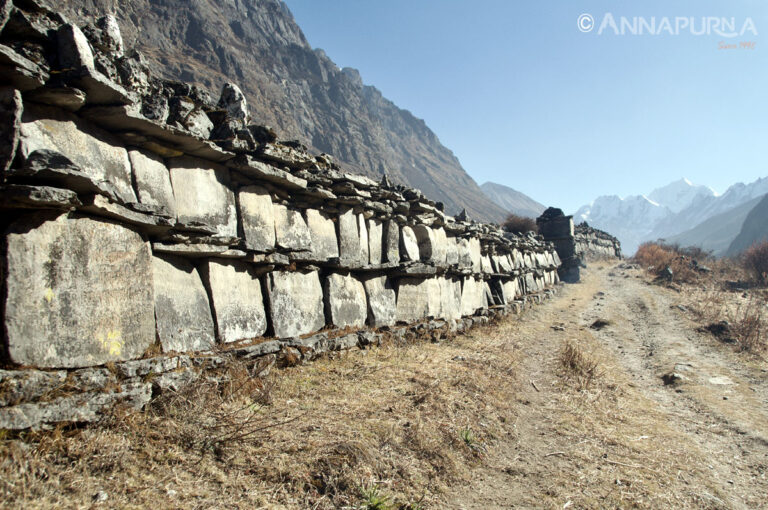
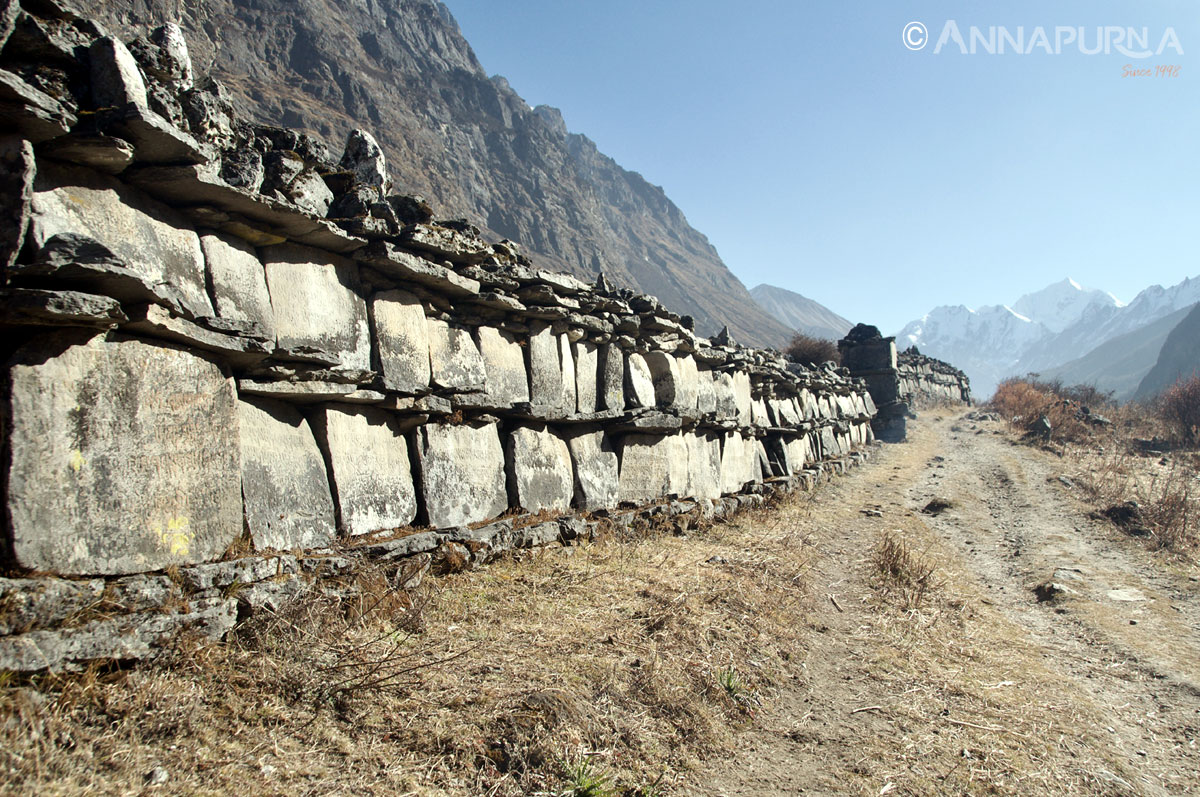
Dress modestly (cover shoulders / knees in villages).to show respect and consideration for the local culture and customs. Circumvent clockwise around the Mani walls, stupas, and monasteries, and while visiting the inside of the monasteries. Use the right hand to eat and give/receive items. Remove your shoes / sandals when entering the kitchen, visiting homes, monasteries and temples. And ask permission before photographing people / temples / monasteries. Avoid photographing children when they are alone or without family permission. Avoid public displays of affection. For eco practices, carry out trash, use biodegradable products, and avoid plastic bottles(carry a reusable water bottle).
6. The Last Tips
Rent/buy a down jacket/sleeping bag in Kathmandu to save space.
Airport pick-up and departure services as per itinerary
4-nights of hotel accommodation in Kathmandu on a sharing basis, breakfast included
Kathmandu to Shyabrubeshi transportation by a 4×4 Jeep/Landcruiser
Guide, cook, kitchen boys, Sherpa helpers and the necessary number of porters for the entire trekking period
Insurance and expenses of all local staff
Langtang National Park entry permits.
All camping equipment includes a two-person dome tent (Ozark/Mountain Hardware), a dining tent, a kitchen tent, a staff tent, a toilet tent, a Shower tent, hard and soft mattresses for each member, and kitchen equipment for common use.
All necessary food and beverages for the trekking period
A good sleeping bag for each member
A pair of a trekking pole for each member
A trekking map and duffel bag
A satellite mobile phone for communication in an emergency (Personal usage available with 4$ per minute call)
A small medical kit box for first aid medical purposes.
Melamchi to Kathmandu transportation
Not Included
International air tickets
Nepal entry visa and visa fee (One can apply on arrival at Kathmandu airport)
Travel insurance (helicopter evacuation and medical service) is obligatory.
Trip cancellation/interruptions (not obligatory but at your risk)
Lunch & dinner in Kathmandu
Personal expenses
Alcoholic and bottled beverages during the trek
Internet, telephone, laundry services, tips for Nepali staff and those not mentioned in the service included.
Trip Gallery
Search Your Trip
Search your next adventure here
Montserrat & Jonatan
I had always thought that trekking in Nepal required a looong time and that it had to be done in either spring or autumn. That was until a friend told me that it was also possible to do it in winter, and that you can reach places like the Everest...
In August 2025, my wife and I decided to take the famous Everest Base Camp trek with Annapurna Treks, and we had a wonderful experience thanks to the company's excellent organization. We had never been to Nepal before, but we knew that during the monsoon season there was a high...