$ / Per Person
The Langtang and Gosaikunda Circuit trek is a rewarding natural, cultural, and Himalayan trek just north of Kathmandu. It combines stunning mountain views, peaceful forests, traditional villages, and sacred lakes. Another specialty of the Langtang and Gosaikunda Circuit Trek is that it starts with an easy five-hour drive out of Kathmandu and ends at Sundarijal, a 40-minute drive from Kathmandu. In short, this trek is an excellent choice for anyone seeking diversity in a single trip.
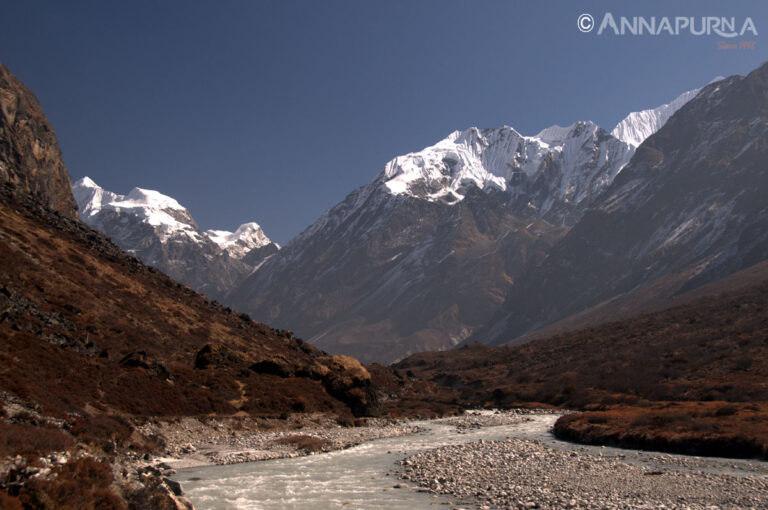
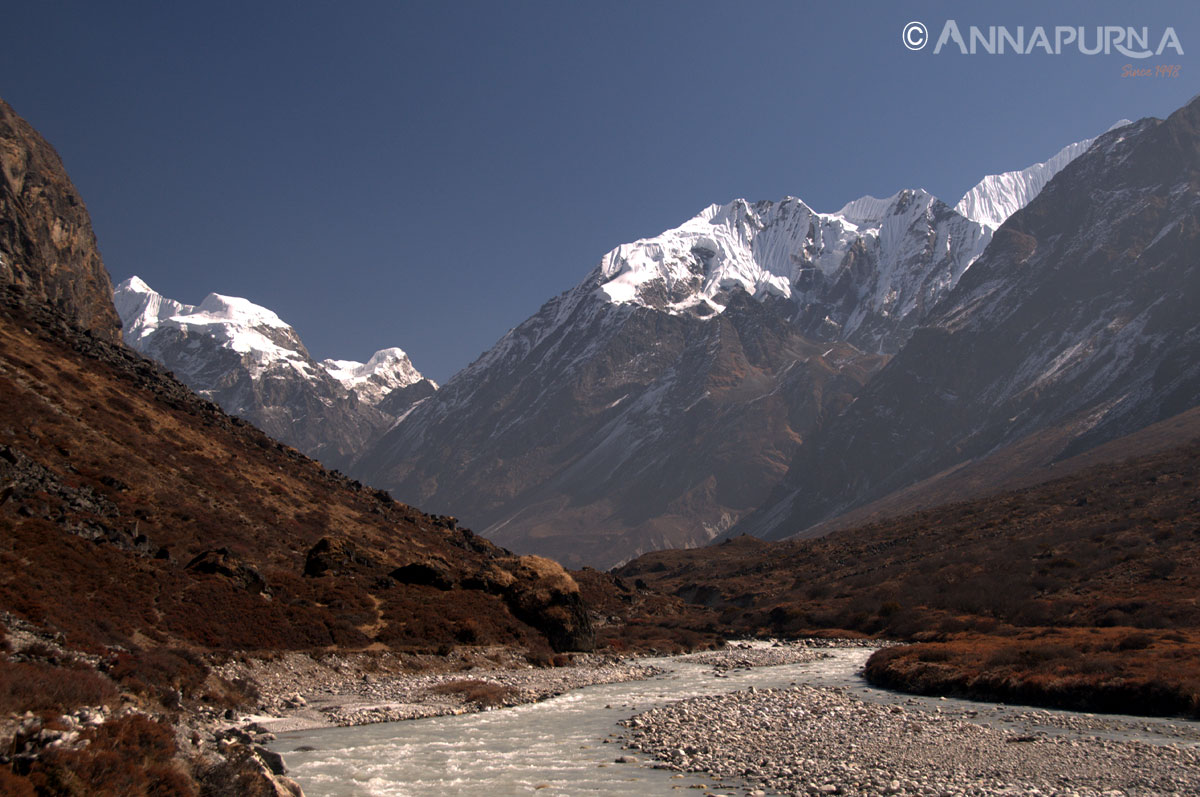
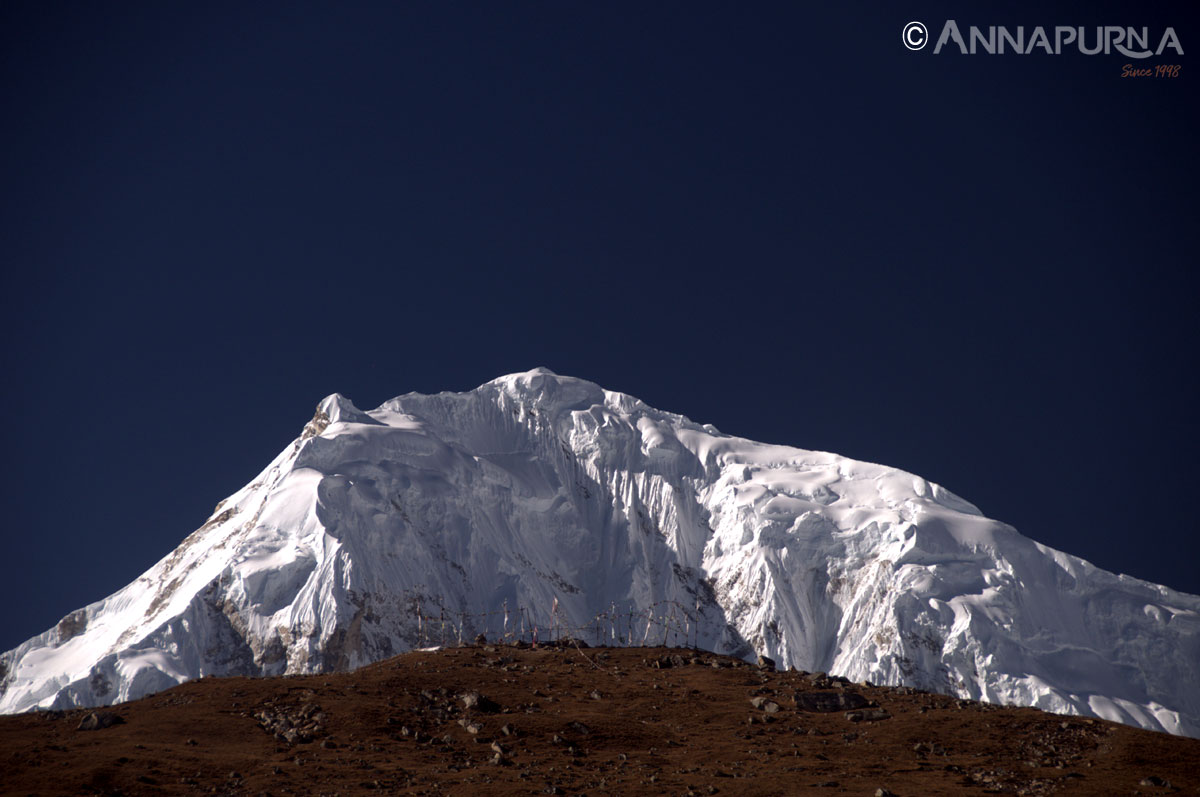
The first part of the Gosaikunda Circuit trekking takes you through the Langtang Valley. The trail follows the Langtang River and passes through dense forests of bamboo and rhododendron. On a 3-day, easy, acclimatizing trek, you pass Lama Hotel, Riverside, and Goda Tabela, reaching the main Langtang Village. Langtang village holds special significance, rebuilt after the 2015 earthquake. The local people are resilient and welcoming, and the village sits below the majestic Langtang Lirung mountain, offering spectacular views.
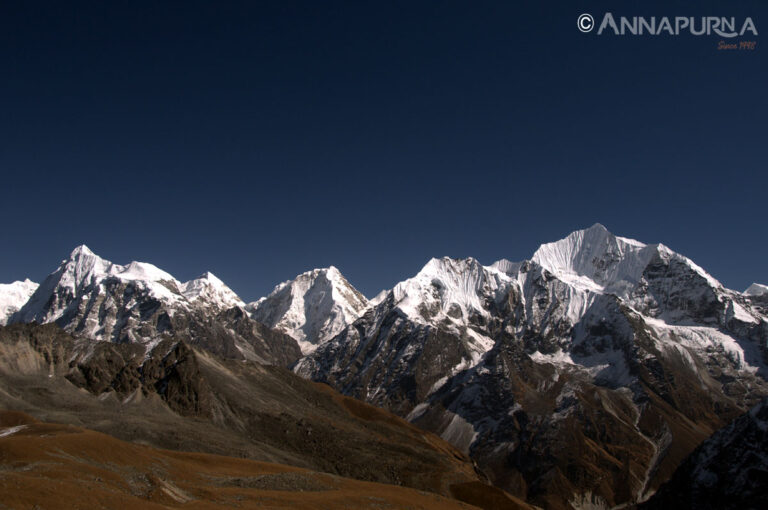
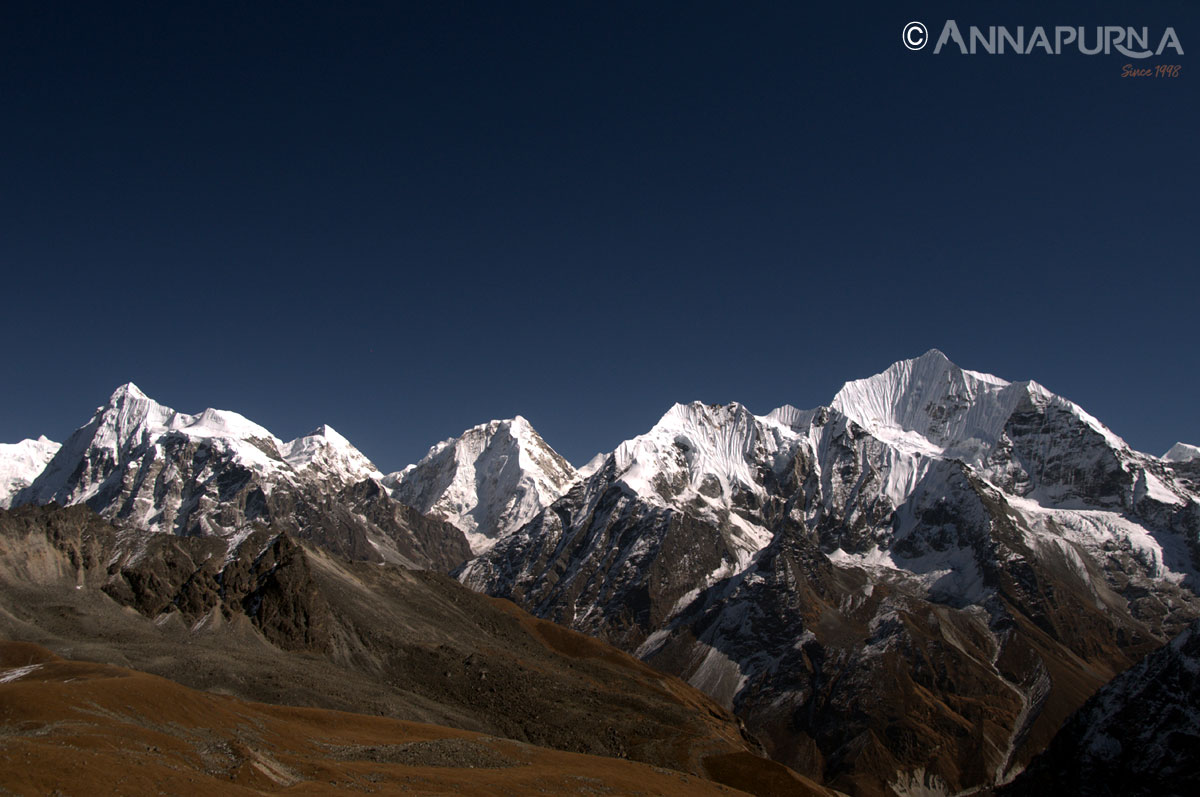
Continuing, you will arrive at Kyanjin Gompa, the last village with several basic to comfortable lodges, and surrounded by beautiful mountains. Surrounded by snow-capped peaks and expansive valleys, this area is ideal for spending several nights and days taking day excursions. The popular excursion points are Langshisa Kharka, Cherko Ri, Naya Kang Base Camp, and Kyanjin Ri, offering breathtaking views of the Himalayas and even parts of Tibet, including the summit of Shisapangma, the only 8-thousander in the China/Tibet territory.
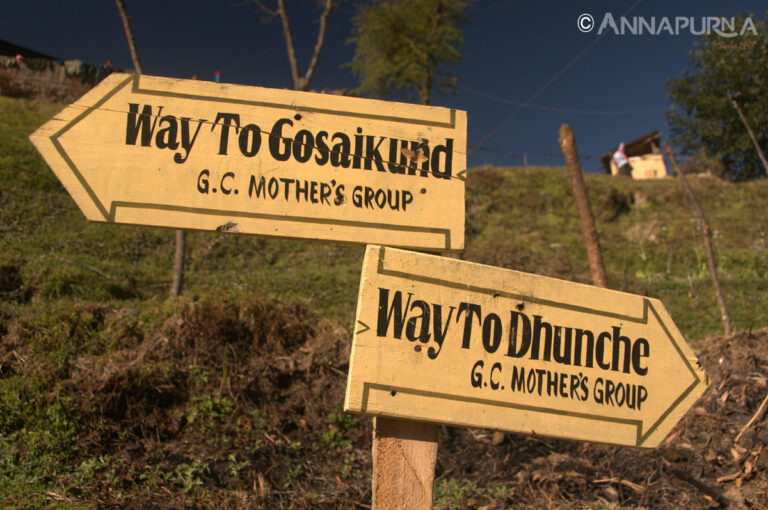
After exploring Langtang, the trail retraces to Pairo and heads toward Gosaikunda, passing Thulo Syabru and Chandabari, also known as Sing Gonpa, a small village with a cheese factory.
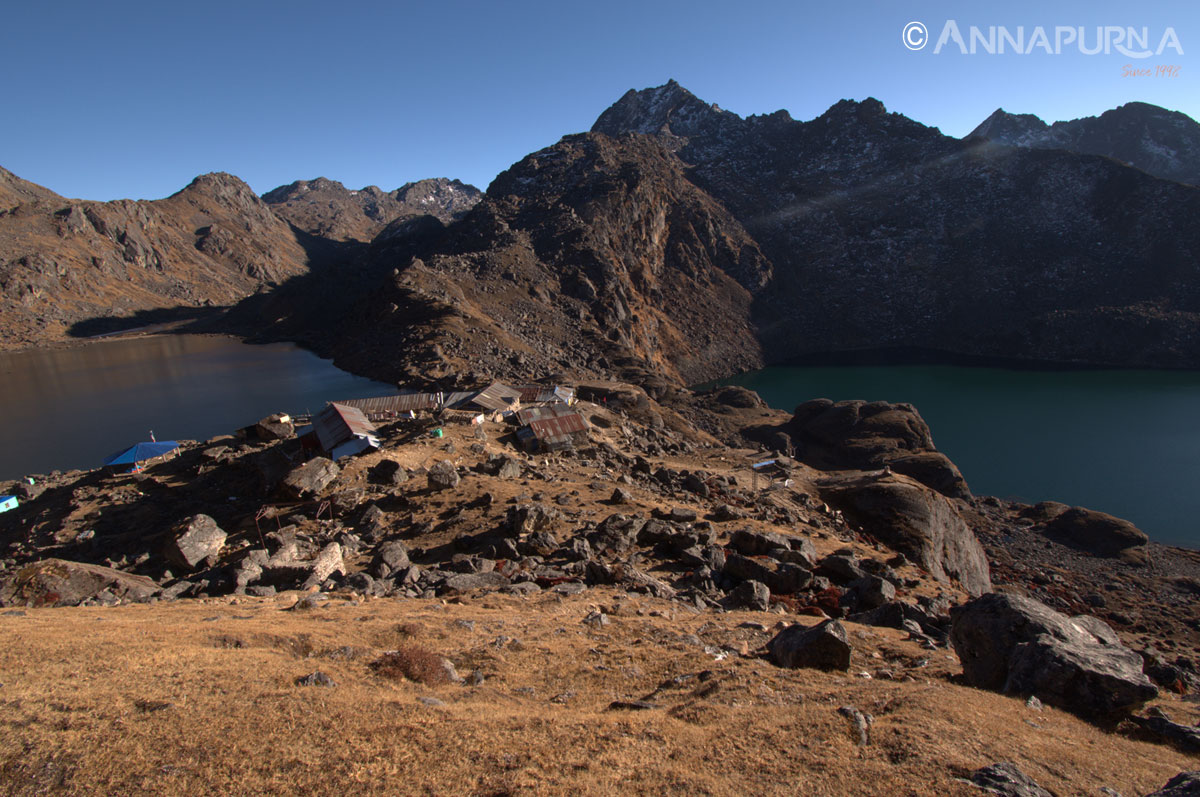
From Chandabari, you will climb up gradually through an exposed ridgeline above the treeline. The horizons are wider, with expansive Himalayan Panoramas, and you encounter smaller sacred lakes, called Saraswati Kund, before reaching Gosaikunda Lake, a holy site for both Hindus and Buddhists. The Gosainkunda Lake, surrounded by mountains, draws many pilgrims during the Janai Purnima Festival.
One of the highlights of the Langtang and Gosaikunda Circuit Trek is the crossing of Laurebina Pass (Gosaikunda La Pass) at 4,610 m, the highest point of the Journey. The ascent is gradual, passing several small lakes. The panoramic views from the top of Laurebina Pass include the long Himalayan Chain toward the Ganesh Himal and Manaslu, as well as the deep, impressive mountain valleys.
After crossing the Lauribina, the trail descends toward the Helambu region, known for its tranquil villages and friendly inhabitants. You will pass through areas such as Ghopte and Thadepatti, where a memorial marks the site of a Thai Aircraft crash.
The final stage of the Langtang and Gosaikunda Circuit Trek takes you through traditional villages like Kutumsang and Chisapani. These villages offer spectacular views of the Himalayas at sunrise and sunset. The landscape shifts once more, featuring forests, farmland, and Himalayan Scenery of the eastern region of Nepal, towards the Gaurishanker and Karylung Ranges. The trek then enters Shivapuri National Park and concludes at Sundarijal, just a 40-minute drive from Kathmandu!
The Langtang and Gosaikunda Circuit Trek stands out for offering a diverse natural, cultural, spiritual, and geographical experience in a single itinerary, and it is among the less-crowded yet popular trekking routes. The combination of Langtang Valley and Gosaikunda Lake makes this trek truly unique and unforgettable for anyone.
For a day-to-day itinerary, hotel information, customised programs, or anything else related to your travel plan. Please get in touch with annatreks@gmail.com or WhatsApp/Message at +977 985 10 30619. You can also message us on Facebook.
Sacred Landscapes & Lakes: Pilgrimage to the revered Gosaikunda Lake (4,380m), surrounded by Himalayan myths and discover lesser-known sacred ponds, Saraswati-Kund and Bhairab-Kund.
Cultural Resilience: Witness Langtang Village (3,430m), rebuilt after the 2015 earthquake, reflecting community strength. Explore the Sing Gompa cheese production centre and ancient monastery, blending tradition with daily life.
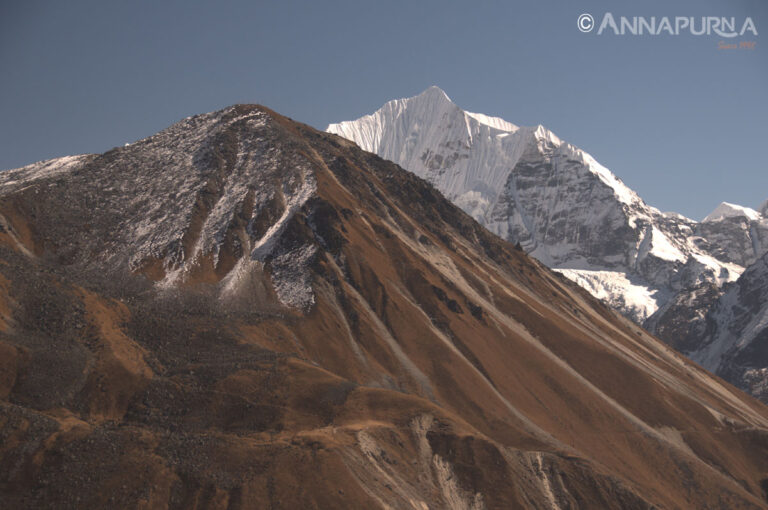
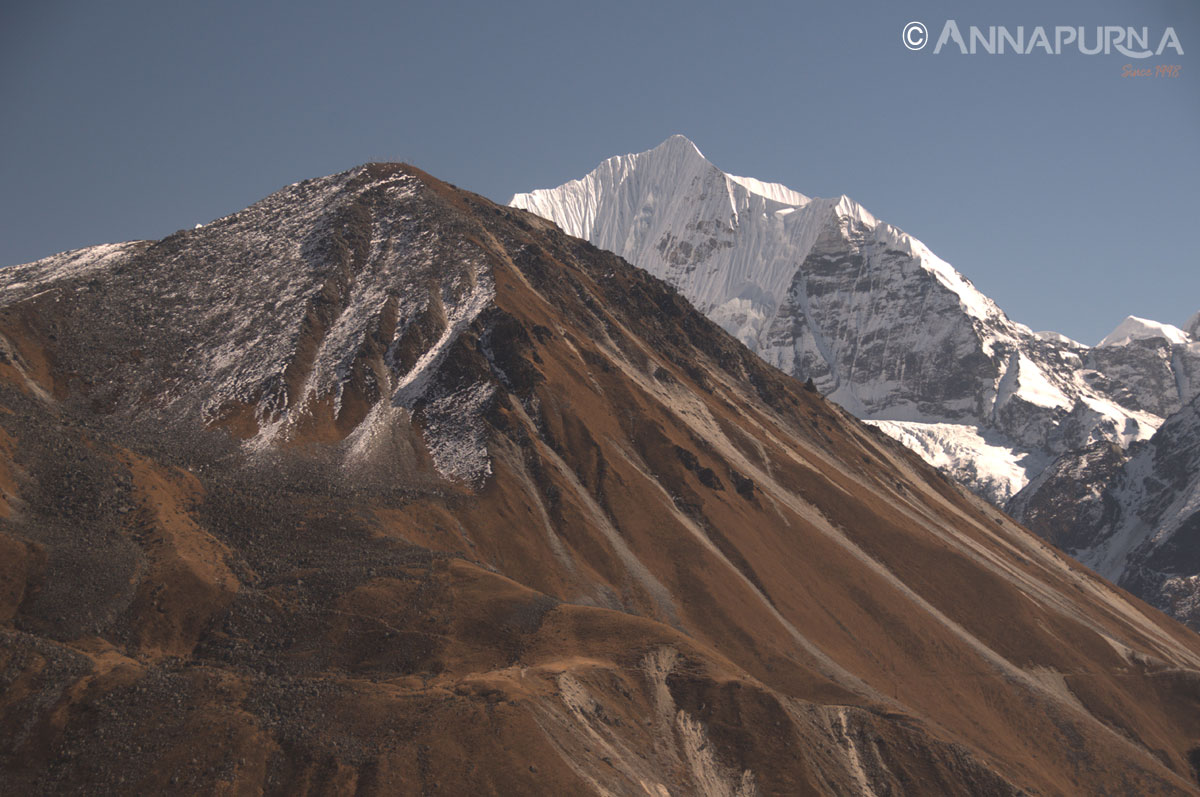
Panoramic Mountain Vistas: Unobstructed views of Langtang Lirung (7,425m, Ganchenpo (6,378m), and the Jugal Himal. Sunrise/sunset panoramas from Chisapani, capturing Ganesh Himal, Manaslu, and Annapurna ranges.
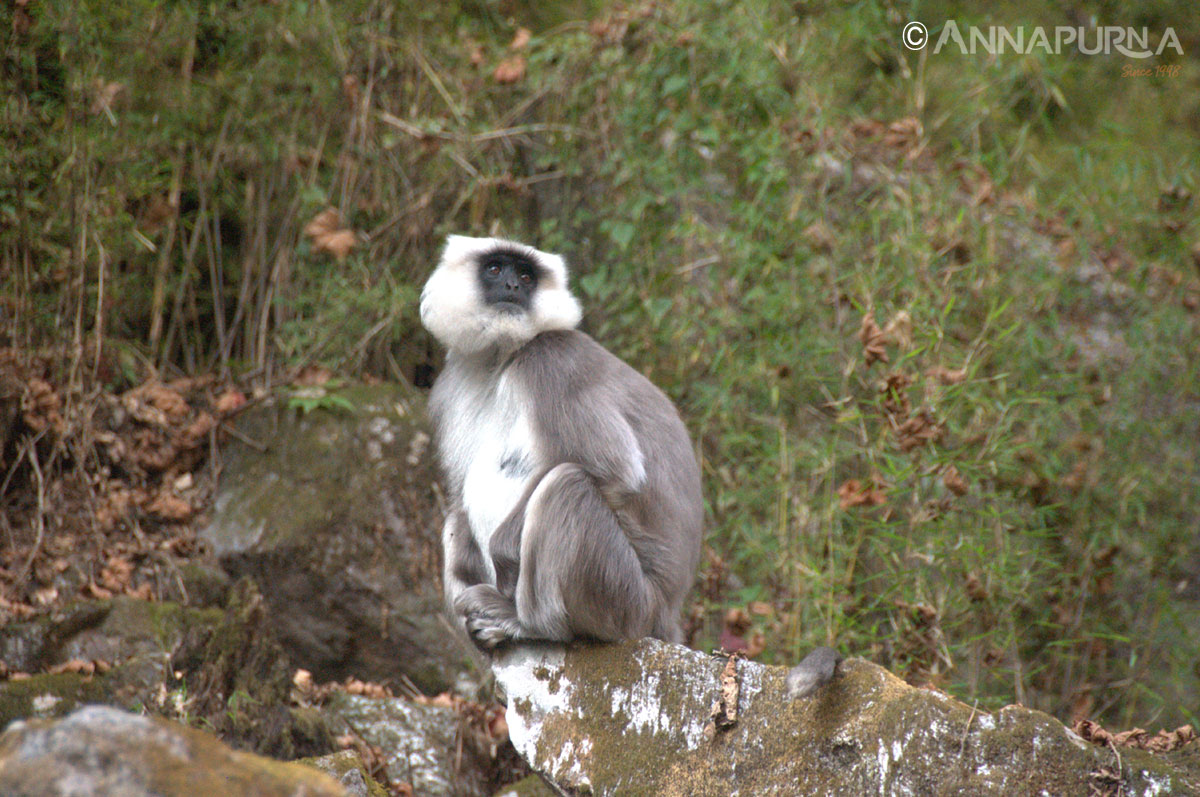
Ecological Diversity: Traverse lush rhododendron, pine and bamboo forests, alpine meadows, and high-altitude desert hills and spot wild beehives, river birds, and yak herds in Langtang National Park.
Historic Trails & Passes: Cross the challenging Gosainkund-La Pass (4,610m), the highest point of the trek. Reflect on the Ghopte Bir cliff, site of a poignant 1992 Thai aviation tragedy.
Accessible Wilderness: A less-crowded alternative to Everest/Annapurna, with teahouse comforts throughout. Combine high viewpoints (Tsergo-Ri, Kyanjin-Ri) with serene valley walks.
Traditional welcome, trip briefing, and time to explore local shrines.
Free day for preparation or optional UNESCO World Heritage site tour.
Scenic ~5-hour mountain drive to Syabrubesi. Entrance to Langtang National Park at Dhunche.
Trek for ~6 hours, lollow the Langtang River through lush, dense forests and cross suspension bridges.
Trek for ~6 hour into higher altitudes. Pass Ghoda Tabela, witness rebuilding efforts from the 2015 earthquake, and see stunning views of Langtang Lirung.
Trek for ~3 hours + hike, short trek into the high valley. Afternoon hike to Kyanjin Ri for breathtaking panoramic mountain views and acclimatisation.
Full-day excursion (~6-hr) up and down, challenging and rewarding day hike to one of the highest viewpoints of the region for an unforgettable 360-degree Himalayan panorama.
Trek for ~6 hours, descent retracing steps through the beautiful valley. Optional scenic helicopter flight available at extra cost.
Trek for ~5 hours, divert from the main trail to a beautiful village set on a steep ridge. Explore the local community.
Trek for ~5 hours, steady climb through rhododendron and pine forests. Visit a local cheese factory and the monastery.
Trek for ~5 hours, panoramic alpine ridge walk, ascend to the sacred alpine lakes, reaching the revered Gosaikunda Lake.
Trek for ~6 hours, cross the high Laurabina La Pass, the highest point pass of the ourney, with stunning views before descending into a new region.
Trek for ~5 hours, trail winds through forests and hills, offering magnificent mountain views before descending.
Trek for ~5 hours, a scenic ridge walk with classic views of the Jugal Himal, Ganesh Himal, and even the Annapurna range.
Free day for rest, souvenir shopping, or optional sightseeing.
A free day in Kathmandu or optionally take a tour around world heritage sites.
Transfer to the airport for your international flight home.
The Langtang Valley, located on the northern border line with ofet, is part of Langtang National Park, offering a breathtaking blend of Himalayan landscapes, rich Tamang and Tibetan culture, and spiritual serenity. The key features of the region include diverse landscapes (glacial valleys, rhododendron forests, and alpine meadows), as well as Tamang and Tibetan cultures, and sacred sites like Gosaikunda Lake. The Langtang Region offer a serene experience distinct from Everest or Annapurna. Langtang National Park hosts red pandas, Himalayan tahrs, and snow leopards. The following information is designed to help you prepare well for your trek in the region.
| Category | Detail |
| Who can join these treks | The trek suits fit, health-conscious travellers aged 18+ who can handle high altitudes and other minor uphill/downhill challenges. With no upper limit, seniors can join if they are physically fit and medically cleared. First-timers are welcome with basic to adequate training. All treks are led by our experienced guides and helpers, with overall care provided. |
| Group Policy | We specialise in premium private treks and tours. We do not combine individual travellers into groups. Your “group” is defined solely by the friends, family, or colleagues you choose to travel with when booking a specific program. This policy guarantees a personalised and exclusive adventure tailored just for you. |
| Required permits | Langtang National Park Permi |
| Guide | Guides are mandatory, solo trekking has been prohibited since April 2023. As of March 2025, all trekkers are required to hire a government-licensed guide for safety and environmental reasons. |
| Physical Preparation | Physical preparation is key to a successful trek. We recommend 2-3 weeks of cardio and stamina exercises, focusing on basic running, cycling, or stair climbing (aim for 5 km in 1 hour). Strength gain training, such as lunges, squats, and backpack hikes (build to 10–15 kg only if you are not taking a porter service), will also be beneficial. |
| Safety and Health | Be mindful of Altitude Sickness, recognise symptoms (headaches, nausea, dizziness)and descend immediately if symptoms become severe. |
| Vaccinations | Consult a doctor for recommendations (recommended for typhoid, hepatitis A/B, and tetanus). |
| Insurance | Must cover emergency helicopter rescue (up to 5,500 m) and medical service. We strongly advise all trekkers to invest a little more in addition to the trip cost and purchase comprehensive insurance that covers all kinds of emergencies, ensuring you are financially secure and prepared for any unforeseen circumstances. |
| Water and Food | Avoid tap water; use purification tablets/bottled water. Menus expand at lower elevations (daal bhat, pasta, momo, noodles, apple pie). Eat carb-rich meals (daal bhat, garlic soup for altitude). Avoid meat (limited refrigeration) and salads (tap water risks). |
| Cash | There are no ATMs between Kathmandu and Langtang Trek areas; it is recommended to carry some cash in Nepalese Rupees or a convertible currency. Convertible currencies are accepted, but they convert at a lower rate. |
| Connectivity | Limited Wi-Fi (available for a fee in most lodges). One can purchase a local SIM Card in Kathmandu, though coverage is limited and sporadic. |
| Best Time to Trek | September–January (clear skies) or March–May (rhododendron blooms). The Langtang Valley trek and Tamang Heritage treks are open year-round. |
| Tipping | Tips for guides/porters: please allow $5–$10/day per member. |
The following table outlines seasonal packing priorities, which include all essentials, as well as a clothing layering system for variable conditions.
| Season | Clothing | Key gear |
| Spring/Autumn | Moisture-wicking base layers, insulated jacket, waterproof shell | -10° to -15°C sleeping bag, Microspikes (for High Pass). |
| Winter | Heavy thermal base, down jacket/pants, balaclava | Microspikes, -20°C sleeping bag |
| Monsoon | Quick-dry clothing, a full waterproof suit | waterproof pack cover, insect repellent, -5-10°C sleeping bag |
Clothing Layering System for Variable Conditions |
||
| Layer Type | Key Items | Purpose |
| Base Layer | Merino wool/synthetic tops and leggings | Moisture-wicking; temperature regulation |
| Mid Layer | Fleece jacket; down vest/jacket | Insulation: retains body heat |
| Outer Shell | Waterproof/windproof jacket and pants | Shields against rain, snow, and wind |
| Accessories | Warm hat, sun hat, buff, waterproof gloves (inner + outer), wool socks (2–4 pairs) | Protects extremities from cold/frostbite |
| Foot ware | Broken-in waterproof hiking boots + Camp shoes. |
| Essentials | Sunglasses, trekking poles (for mud/snow), reusable water bottle, headlamp, first-aid kit, portable charger, high-SPF sunscreen, lip balm, toilet paper, earplugs. |
| Backpack | 30–40L (Daypack for you). |
| Duffel Bag | ≤15 kg (for Porter). |
| First-Aid Kit | Bring personal medications, agency provides group first-aid medical box). |
| Note | Use packing cubes to organize gear. Limit clothing to 2–3 sets of quick-dry layers |
On your trek, you will stay in simple, family-run lodges located along the trail. The lodges in Langtang Village are mostly built after the 2015 earthquake. Other lodges, such as those in Lama Hotel and Riverside, are basic and have limited rooms, as the National Park authorities do not permit upgrades or extensions. The lodge provides blankets/quilts, but consider adding a sleeping bag or liner for extra hygiene and warmth. Most lodges have shared bathrooms/toilets, which are more than the expected standard at higher altitudes. The availability of hot shower facilities depends on altitude; lower valleys with warmer temperatures usually offer piped/running water, while higher elevations with cooler temperatures often offer bucket-style showers (heated on request).
Dress modestly (cover shoulders / knees in villages).to show respect and consideration for the local culture and customs. Circumvent clockwise around the Mani walls, stupas, and monasteries, and while visiting the inside of the monasteries. Use the right hand to eat and give/receive items. Remove your shoes / sandals when entering the kitchen, visiting homes, monasteries and temples. And ask permission before photographing people / temples / monasteries. Avoid photographing children when they are alone or without family permission. Avoid public displays of affection. For eco practices, carry out trash, use biodegradable products, and avoid plastic bottles(carry a reusable water bottle).
Rent/buy a down jacket/sleeping bag in Kathmandu to save space.
Please contact at annatreks@gmail.com

I had always thought that trekking in Nepal required a looong time and that it had to be done in either spring or autumn. That was until a friend told me that it was also possible to do it in winter, and that you can reach places like the Everest...
Read More
[gallery columns="1" link="file" size="full" ids="5878"] [gallery size="full" columns="1" ids="5903"]
Read More
In August 2025, my wife and I decided to take the famous Everest Base Camp trek with Annapurna Treks, and we had a wonderful experience thanks to the company's excellent organization. We had never been to Nepal before, but we knew that during the monsoon season there was a high...
Read More