A short guide for trekking properly in the Himalayas
A message for Acclimatisation, Local Wisdom, Embracing the Journey and Returning Home Safely.
When I receive a group or a single client for a Tour, Trekking, or climbing in the Himalayas, my primary concern is to see them safely back home. Many first-time travellers to Nepal lack the experience of traveling properly in this Himalayan Land, while others who have travelled several times sometimes get betrayed by their overconfidence. Yet, for a travel operator, the primary concern is the success and safely of the clients and the staff involved in helping professionally achieve this goal.
Any journey into this Himalayan Land is a transformative experience, offering breathtaking landscapes and a profound discovery of cultural heritages from one town to another and from one small valley to another. There are not only the giant Himalayas, but also, very interestingly, people living with different cultural practices, costumes, food, languages, and more, that have not yet been shaded by modernisation. However, navigating this high-altitude wilderness and hidden cultures and life in the shades of this wilderness requires respect, preparation, and wise choices. To enjoy the journeys and to return home safely, understanding acclimatisation, the value of local outfitters and their guides, utilising rest days wisely, prioritising health over the planned destination, and embracing local cuisine are crucial pillars for a safe, enjoyable, and enriching adventure. My experience details the following:
Acclimatisation
Acclimatisation is a Non-Negotiable Adjustment Period for your body. As you ascend, atmospheric pressure drops, reducing oxygen availability. Acclimatisation is a physiological process of adapting to hypoxia. It involves increasing the breathing rate, heart rate, and red blood cell production and altering blood chemistry.
The Ignoring Consequence
Ignoring acclimatisation is the primary cause of Acute Mountain Sickness (AMS) and its life-threatening progression to High Altitude Pulmonary Edema (HAPE) or High-Altitude Cerebral Edema (HACE). Symptoms like headaches, nausea, dizziness, vomiting, sleeplessness and severe fatigue can quickly escalate. They may take life in the shortest period of symptoms, and even if they rarely escape after HAPE and HACE, their lives may remain damaged for the rest of their lives.
Therefore, the travellers in this Himalayan Land should follow the following Golden Rules, enjoy the journey and return home safe and happy, where everyone is waiting for your return:
1. Limit the daily altitude gains: to 500-600m above 3000m.
2. Climb High, Sleep Low: Hike to a higher elevation during the day but descend to sleep at a lower altitude.
3. Schedule dedicated rest days, for acclimatisation, at key points (e.g., Namche Bazaar and Dingboche (on the Everest trails), Manang (on the Annapurna Circuit), Sama Gaon (Manaslu Trail), Shey Phoksundo and Shey Gompa (Upper Dolpo Trek), etc. These resting days are NOT idle; your guide and helpers take you for side hikes, village tours, and monastery visits.
4. Drink reasonable amounts of water (at least 2+ litres daily) to combat dehydration exacerbated by dry air and increased respiratory rate.
5. Be your doctor and listen to Your Body: Never ignore symptoms of altitude or any illness (including diarrhoea, toothache, common cold – may lead to worse conditions), accept the suggestions from your guide and fellow travellers. Prioritise descending to a safer altitude, a nearby health centre, or back to Kathmandu.
Rest/Acclimatising days are NOT Idle:
Rest days are not for sleeping all day! They are strategic acclimatisation, body recharge and enrichment opportunities:
1. Hike to a higher viewpoint (e.g., Everest View Hotel from Namche, Nangkartshang above Dingboche or Chhukung Ri, Kicho Tal (Ice Lake) near Manang, Kyanjin Ri near Kyanjin (Langtang), hike to around 5000 m altitude at Annapurna Base Camp (ABC), then descend back to sleep low. Such acclimatisation actively promotes adaptation and health security, and these hikes offer breathtaking views and body recharging opportunities.
2. Rest days are great chances for local cultural exploration, visit local monasteries (e.g., Tengboche, Braga, Sama Gompa), museums (e.g., Namche, Manang), schools, or wander through village lanes. Observe daily life, chat with locals (respectfully), or learn a few words/phrases in their language.
3. Rest days are also for skill building: Practice using your camera, sketch landscapes, journal about your experiences, or participate in a local kitchen and learn about preparing local cuisine (e.g., Riki Kur in Sherpa villages), momos, or Dhal Bhat Tarkari (throughout Nepal).
4. Rest days are also for body relaxation and recharge. Enjoy a longer breakfast, wash some clothes, take a more extended lunch, read a book, sunbathe, or soak in the alluring mountain atmosphere from your teahouse/Lodge.
5. Rest days are also for socialising and supporting the local community. Browse around the village and local handicraft shops, and support them by buying or enjoying a fresh pastry from a local bakery or anything from a local tea shop. However, avoid buying antiques or items made from endangered species, and giving money and sweets to children.
Book your journey with a local Trekking Company
The following is the importance of booking your journey with a Local Trekking Company and how both sides can benefit.
Choosing a Sherpa-owned and operated trekking company offers profound advantages. Most Sherpas operating their travel companies are formerly guides or climbing guides with extensive experience in trekking and mountaineering, including navigating local terrains, serving travellers properly, leading groups safely, liaising between local people and travellers, and selecting a proper guide and cook for a specific region, group and activity to achieve the goal.
Another positive impact is that your money directly supports the local Nepali economy, providing business to the local travel industry, fair wages and sustainable livelihoods for guides, porters, and their families, fostering responsible tourism. The local outfitter and their guides can adjust plans based on your pace, health, weather, or unforeseen circumstances far more fluidly than larger, remote international operators in a different time zone. Our client experience indicates that most travellers wish their travel expenses to be a cost-effective contribution to the destination. The benefits are:
1. Proper guide for a proper region intimately know the trails, regional weather patterns, safe teahouses, hidden viewpoints, and cultural nuances. They speak local languages (Nepali, Sherpa, Tamang, Gurung, Newar, Tharu, etc.), facilitating genuine interactions.
2. Our experienced local guides are trained in wilderness first aid, recognising altitude sickness, and emergency evacuation procedures, always putting Safety First. They know when conditions are unsafe and can instantly adapt itineraries, staying connected with the centre office in Kathmandu and reporting on everyday developments and conditions within the group.
3. Our local guides are perfect Cultural Bridges. They provide authentic cultural context, explain customs, facilitate respectful interactions with villagers, and ensure that you visit monasteries, temples, villages, schools, local homes, and other sites appropriately.
4. Our local guides are Logistical Masters. They efficiently handle permits, transportation, teahouse bookings, and porter welfare, navigating the local system seamlessly.
Your Safety: Life Over Destination
The safety of our clients is our Paramount Priority. Therefore, we request that ‘Life Over Destination’ be the most crucial mindset shift to remember before going on the Himalayan Trek. Keep your ego in check to respond to the challenges that may arise on any journey.
The Mountains Are Unforgiving, and Altitude Sickness doesn’t care about your fitness, age, budget, or how far you have come. Pushing through reactionary symptoms to reach a goal (Everest Base Camp, Thorong La Pass, Annapurna Base Camp, Larke Pass, Pang Pema Base Camp, Makalu Base Camp, Sherpani Col, Amphu Lapcha Pass, Mingbola Pass or on a summit of any peak or river expedition in weather) can have fatal consequences.
Turning back or stopping short of your planned destination due to health concerns is not a failure, it is not a shame, and it does not mean you are weaker than others in the group; rather, it is a sign of wisdom and survival. The mountains and river will always be there; your health might not recover if you push too hard.
Listen to Your Guide
The local guides have seen it all. Therefore, if they recommend descending or stopping, heed their advice immediately. Never complain or be unsatisfied with fantasy possibilities after you are safely back. The Nepalese guides are more timid than Western guides, but this does not mean they lack decision-making power. Their concern is the reactions one may exhibit to their fantasy after returning. But their priority is your safety.
If you travel flexibly, turning back or stopping short may lead to an unexpected, equally rewarding experience. Be prepared for itinerary changes, detours, extra rest days, or even abandoning the destination goal, as these can be similarly beneficial.
A successful trip is one where you return healthy, enriched by the journey and culture, respecting the mountains and your boundaries, and having a good relationship with your guide, porter, and trekking company, regardless of where the last pin on the map is. The trip you are about to take is a Single Trip, but there are many journeys to be made, and that is only possible when you return home.
Eat Local Food when you are on a journey. The Health Benefits of Eating Local Food are as follows
1. Fuel from the Source: Opting for local Nepali dishes (especially Daal Bhat) over imported snacks or processed foods offers significant health benefits.
2. Unmatched Freshness: Vegetables (including potatoes, greens, cauliflower, carrots, and radishes), beans, lentils, rice, and even meat (such as chicken, goat, sheep, buffalo, and yak) are typically sourced very locally, often from the village or nearby valleys. They haven’t spent weeks and months in transit or cold storage.
3. Nutrient Density: Fresher food retains more vitamins, minerals, and antioxidants. At altitude, locally grown potatoes, buckwheat, wheat, barley, carrots, radishes, and broccoli are incredibly nutritious and tasty!
4. Digestive Harmony: Your digestive system functions more efficiently with locally grown and prepared foods. Heavy, processed, or unfamiliar imported foods are more difficult to digest, especially at altitude, where digestion slows.
5. Perfect Trekking Fuel: Daal Bhat Tarkari (Lentils, Rice, Vegetable Curry) is the staple for good reason. Daal Bhat Tarkari is complex in its composition, featuring carbohydrates such as rice, which provide sustained energy release, lentils, which are rich in muscle-repairing protein and satiety, and vegetables, which provide essential vitamins, minerals, and fibre. Daal Bhat Tarkari is not only rice, lentil soup, and vegetable curry, but also varies by geography, ethnicity, and availability. A rich Daal Bhat (vegetarian or non-vegetarian, optional) also consists of side pickles, fried green vegetables, cucumber and radish Salad, a spoonful of melted Ghee, and a cup of hot milk or yoghurt. The overall speciality of Daal Bhat Tarkari is its reasonable price, availability everywhere and free refills. Traditionally, you can get second to third and fourth helpings, crucial for calorie replenishment.
6. Altitude meal for body heat and hydration support: Soups (such as Thukpa = noodles in soup, Sherpa stew, or Thenthuk) and local teas (black, ginger, mint, and salt) contribute significantly to fluid intake and maintain body temperature.
7. Cultural Experience: Sharing a meal is a central aspect of Nepali hospitality. Eating local is a delicious way to connect with the local community.
In short
Trekking in the Himalayas Land demands respect for the altitude, the environment, and the culture. Prioritising acclimatisation through a sensible itinerary with proper rest days used actively, booking with a local outfitter for safety and authenticity, understanding that your life is infinitely more valuable than any destination, and fuelling your body with fresh, nutritious local food are not just recommendations; they are the essential ingredients for a journey that is safe, deeply rewarding, and truly unforgettable. Enjoy your journey at a reasonable pace, listen to the mountains, your guide, and your body, and savour every step of the experience. The culminating point set as a destination is optional; returning safely home is mandatory, where everyone is waiting for you.
Ngima D. Sherpa
Sales and Operation Manager
Annapurna Treks & Expeditions Pvt. Ltd.
www.annapurnatreks.com
A message for Acclimatisation, Local Wisdom, Embracing the Journey and Returning Home Safely.
annapurna-trek

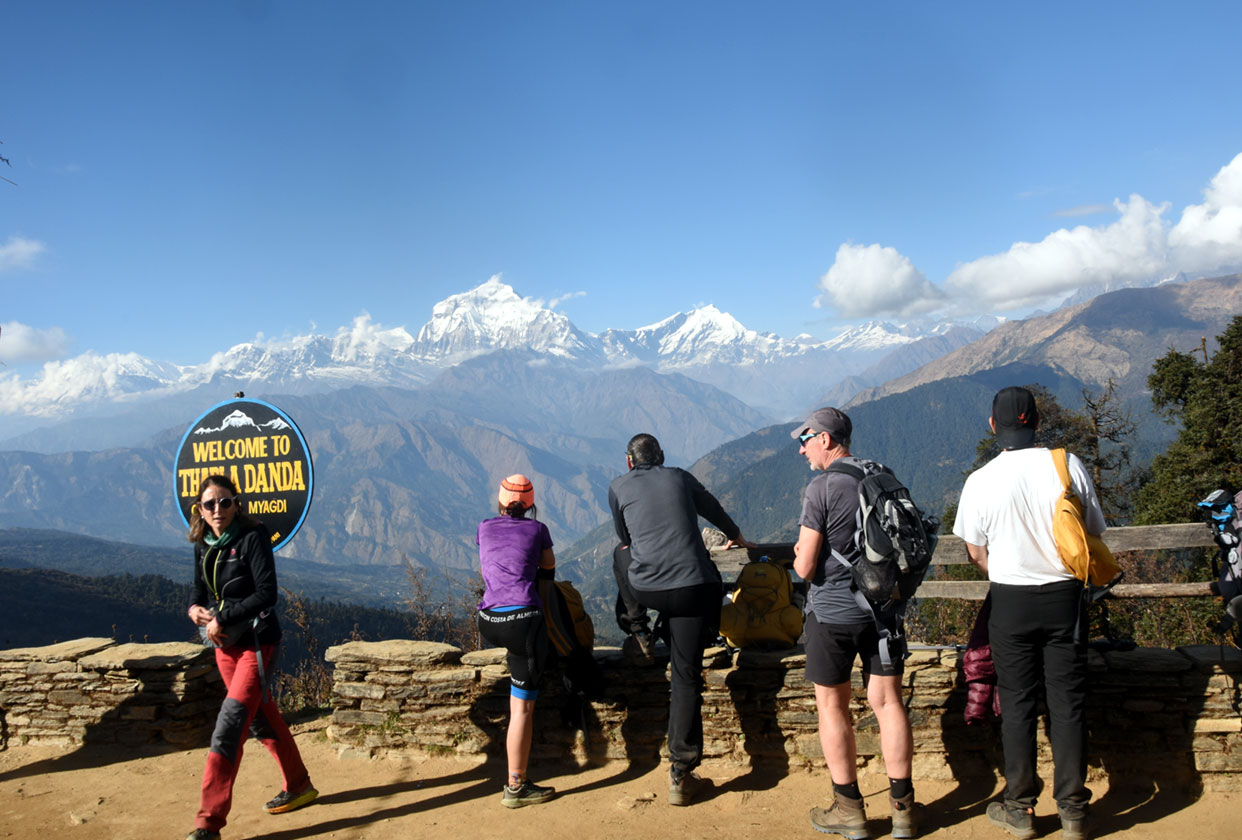

Trekking in the Himalayas Land demands respect for the altitude, the environment, and the culture. Prioritising acclimatisation through a sensible itinerary with proper rest days used actively, booking with a local outfitter for safety and authenticity, understanding that your life is infinitely more valuable than any destination, and fuelling your body with fresh, nutritious local food are not just recommendations; they are the essential ingredients for a journey that is safe, deeply rewarding, and truly unforgettable. Enjoy your journey at a reasonable pace, listen to the mountains, your guide, and your body, and savour every step of the experience. The culminating point set as a destination is optional; returning safely home is mandatory, where everyone is waiting for you. Ngima D. Sherpa Sales and Operation Manager