$ / Per Person
Rolwaling Valley is a sacred beyul, one of the hidden spiritual valleys believed to have been blessed and concealed by Padmasambhava for protection during times of crisis. Nestled to the west of the Khumbu region, this valley remains one of the least explored trekking destinations in Nepal.
The Rolwaling valley, bordered by the Tibetan territory, is predominantly home to the Sherpa communities, who maintain a centuries-old traditional lifestyle deeply rooted in Tibetan Buddhism. Agriculture and animal husbandry are the basis of their daily life, with short-distance, area-based nomadic movement. The primary villages, Beding, Na, and Ngimare, serve as seasonal villages and cultural hubs, featuring monasteries, prayer flags, mani walls, sacred lakes, sacred caves, and local sites of worship for nature divinity that reflect strong spiritual traditions. The Rolwaling Sherpas cultivate barley and potatoes for their staple and rear yaks and naks for milk, butter, load carrying, and trade.
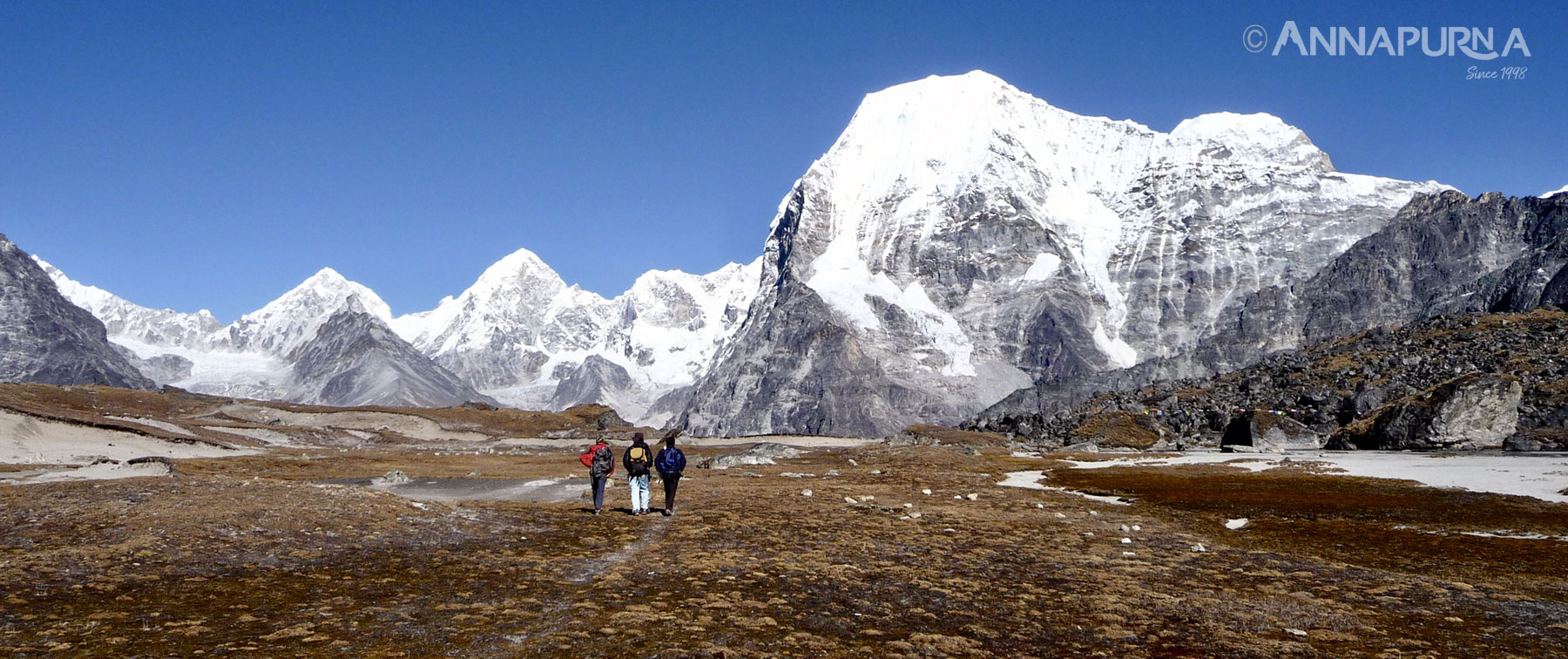
The remote location of Rolwaling is its authenticity, offering a deeper Himalayan cerenity of traditional Sherpa villages, very few climbed peaks, and high mountain passes. The journey through Rolwaling Valley to Khumbu offers another diverse and unforgettable Himalayan experience. It remains one of the hidden natural treasures, concealed by Padmashambhava, appealing to all kinds of travelers, researchers, spirituality seekers, trekkers, and to all grade climbers.
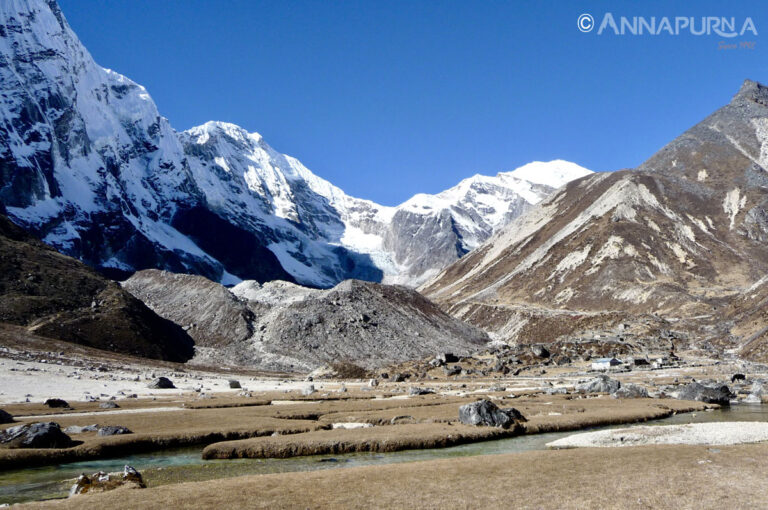
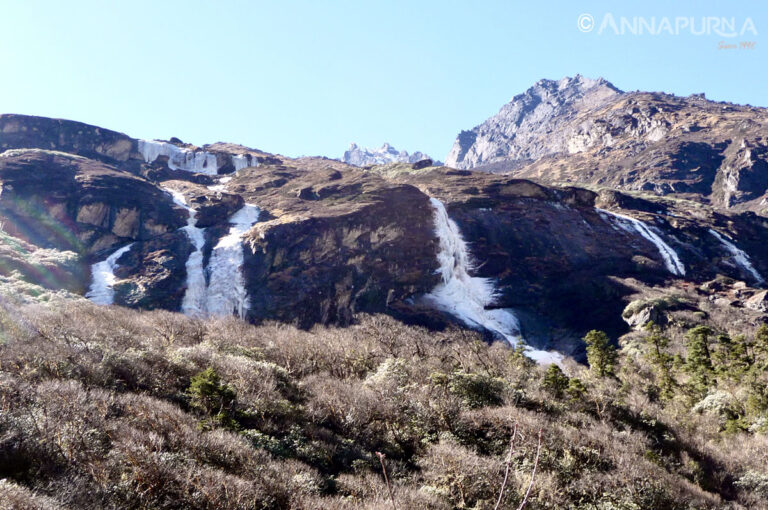
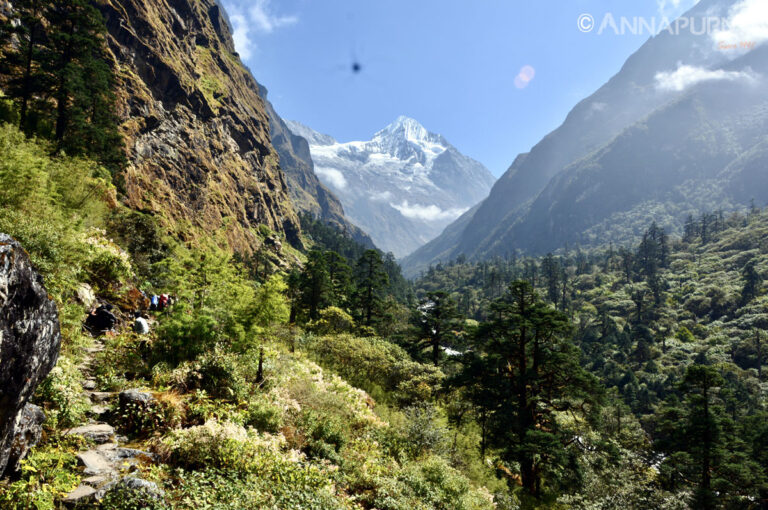
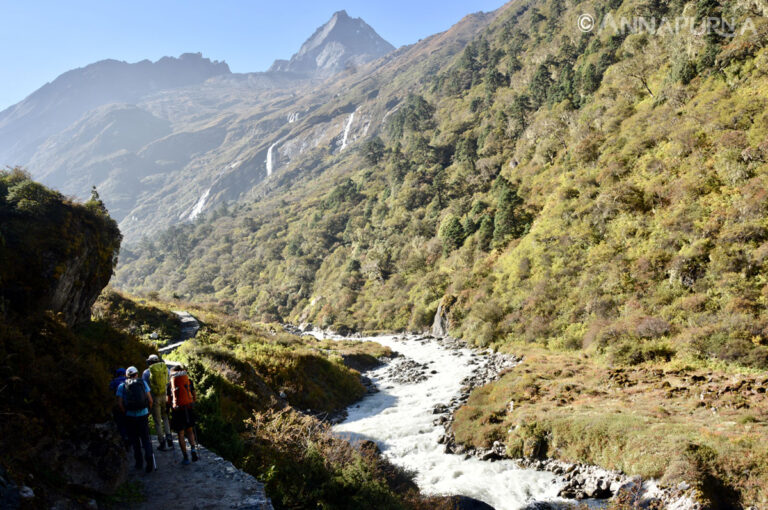
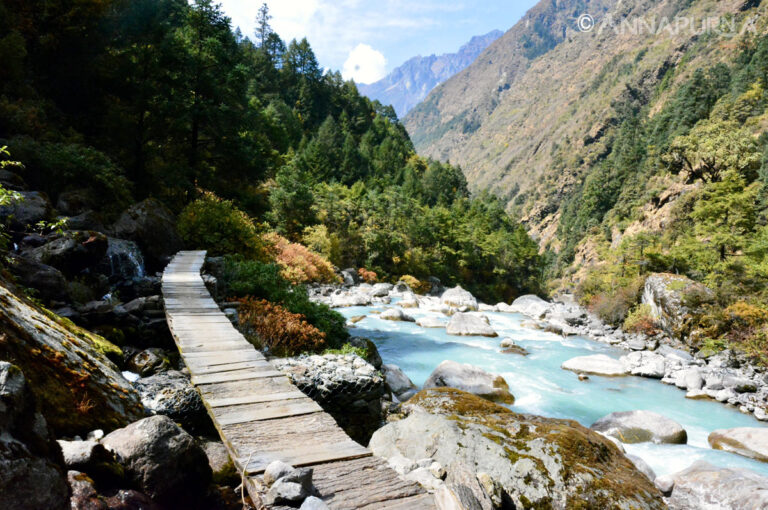
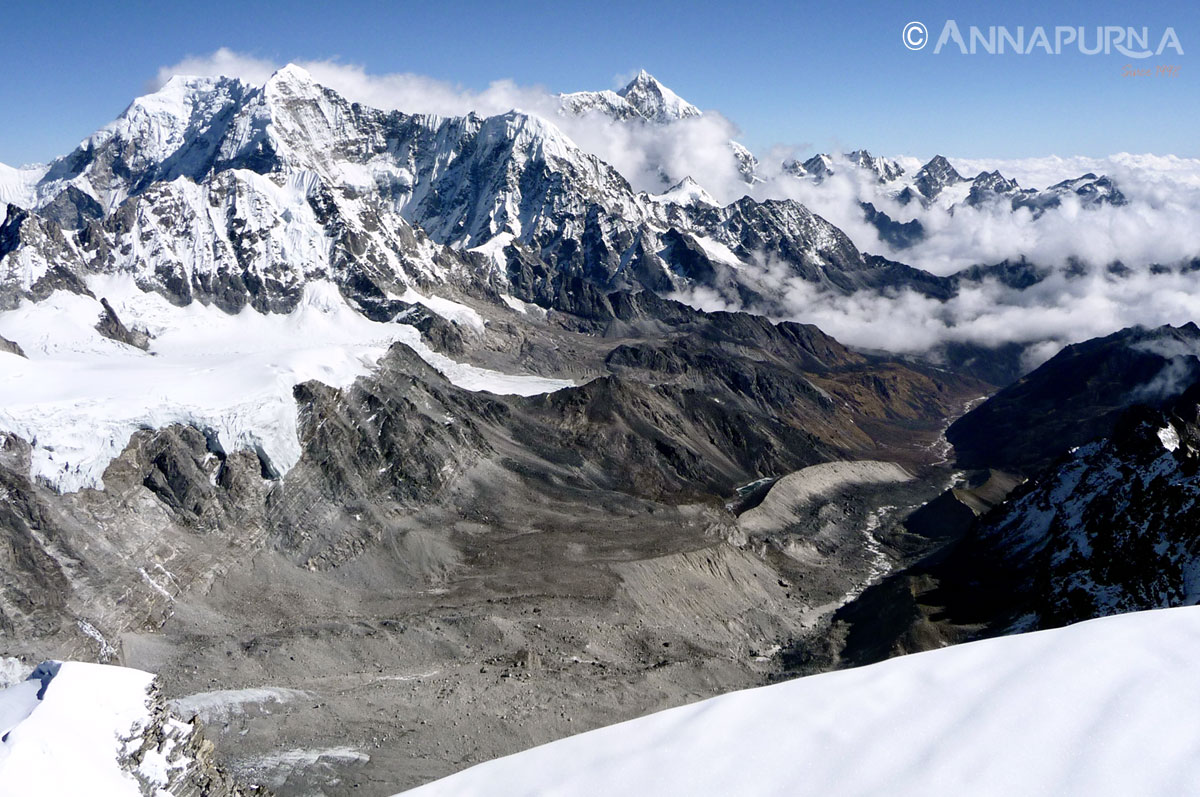
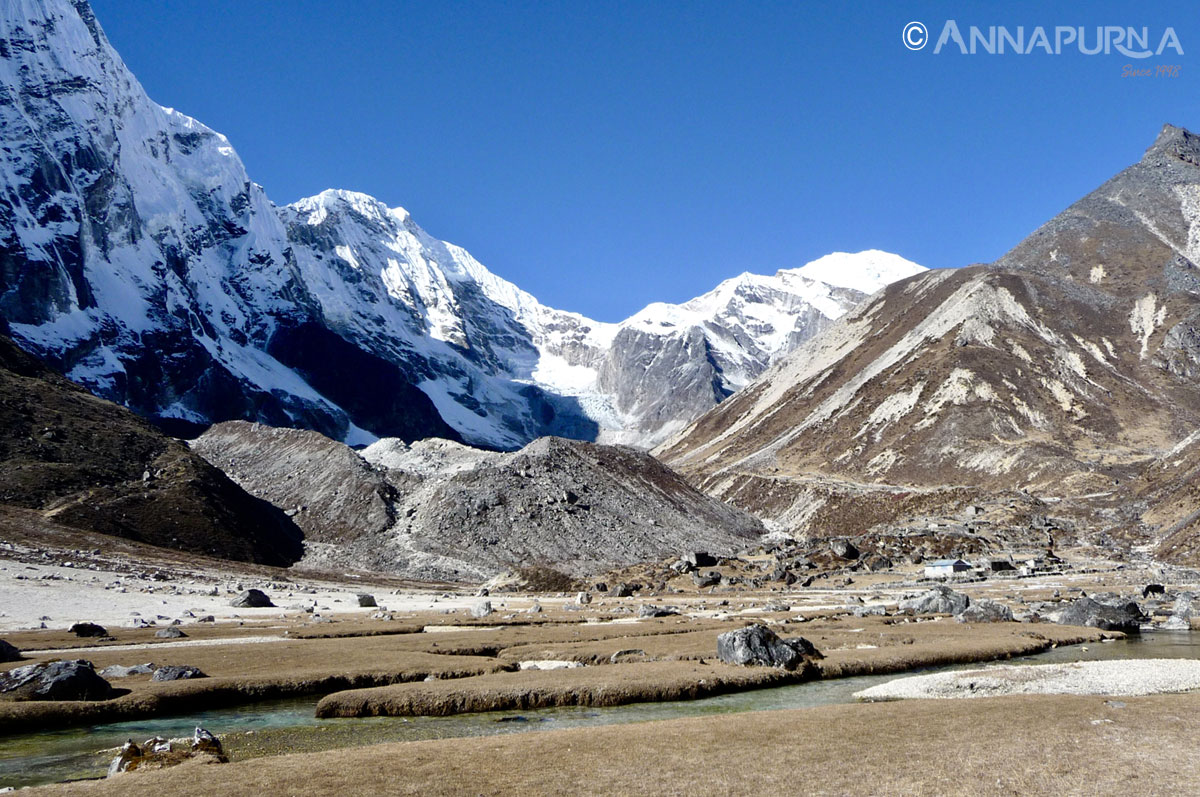
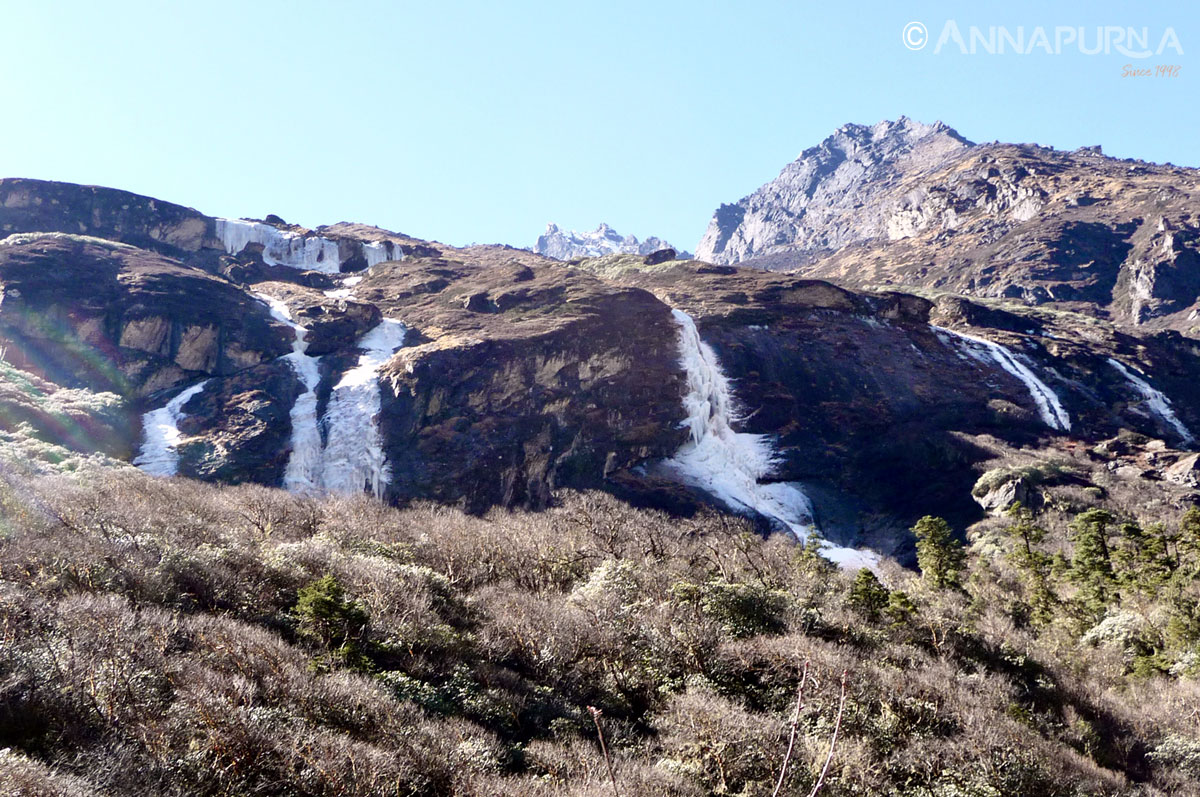
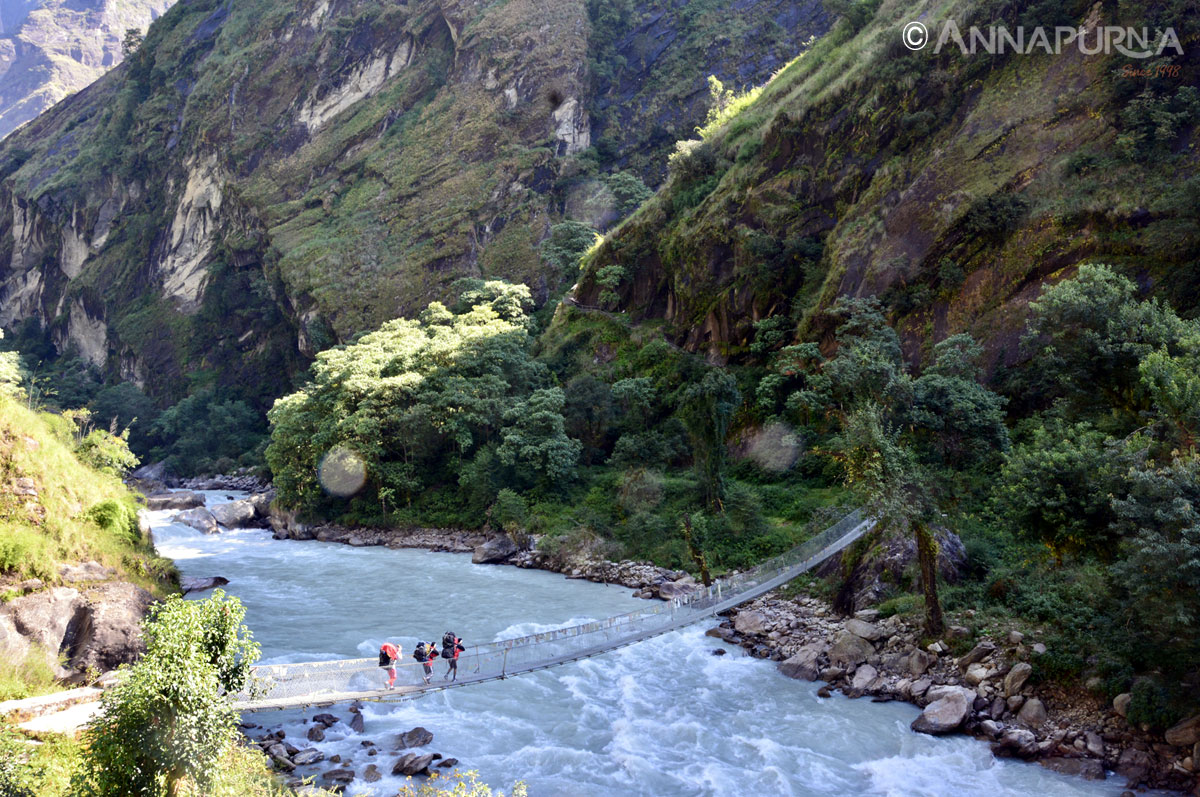
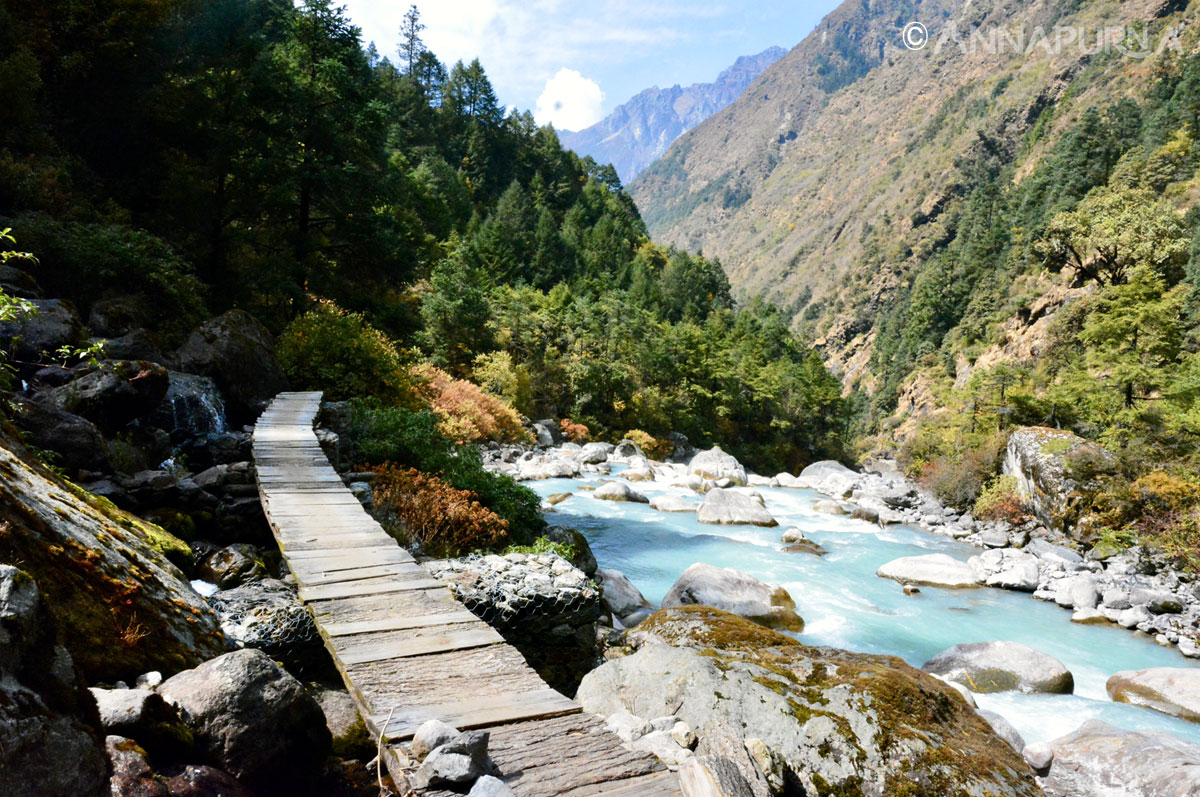
The Rolwaling Valley is a narrow, rugged Himalayan corridor running north from southwest, characterized by a primitive forest line, cliffs, hanging glaciers, a side valley with many waterfalls, and alpine landscapes. The main Rolwaling village is accessible via the Rolwaling Chu (water/River), which originates from glacial meltwaters, flows through the valley, shaping its terrain, and meets the Bhote Koshi River below Shimi Gaon.
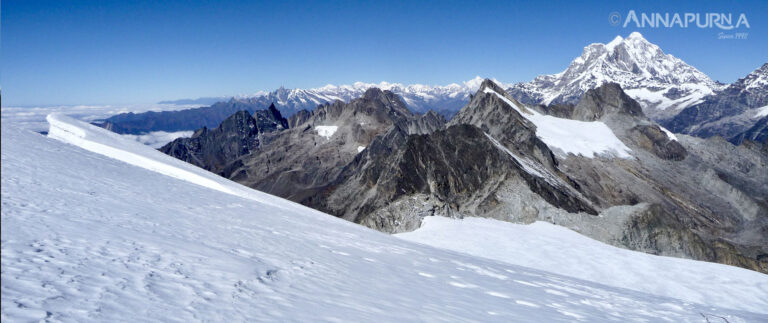
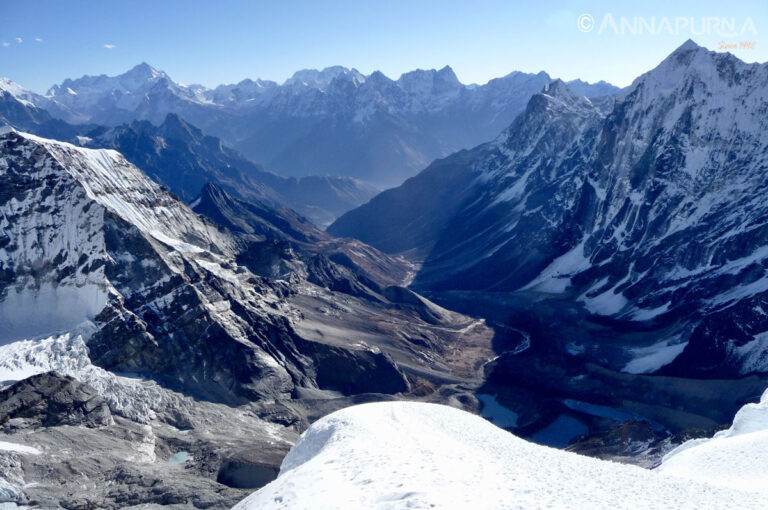
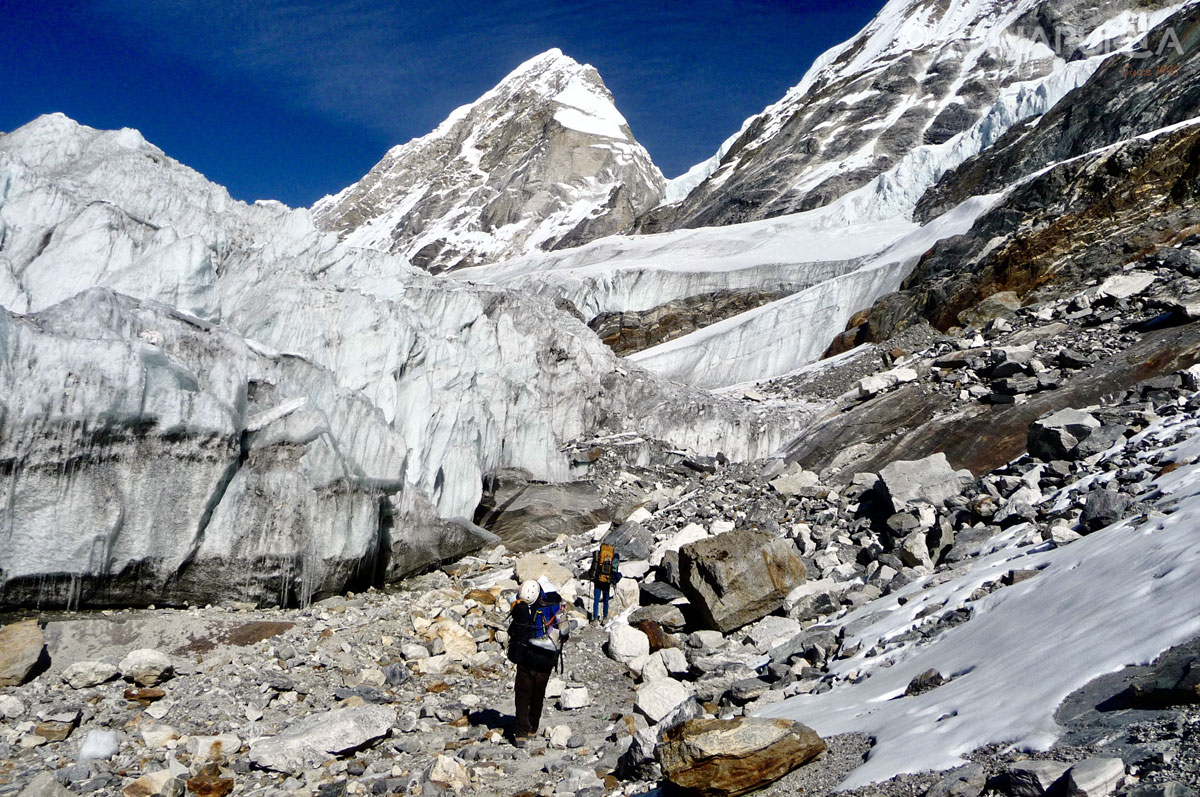
Approximately 30 kilometers west of the main settlements lies the towering Mount Gauri Shankar, one of the most prominent peaks in the region. The valley provides a natural trekking route connecting Rolwaling to the Khumbu region via the formidable Tashi Lapcha Pass (5,755 m). Tashi Lapcha pass remains under snow and ice year‑round, making it one of the most technically demanding crossings in Nepal.
Gauri Shankar holds immense religious significance for both Hindus and Buddhists. The name Gaurishanker derives from the Goddess Gauri (Parvati in Hindu & Tsering in Buddhist) and the Shankar (Shiva in Hindu and Bodhisattva Shiv in Buddhist). In Tibetan and Sherpa traditions, the peak is Jomo Tseringma, revered as the goddess of longevity and protector of the region.
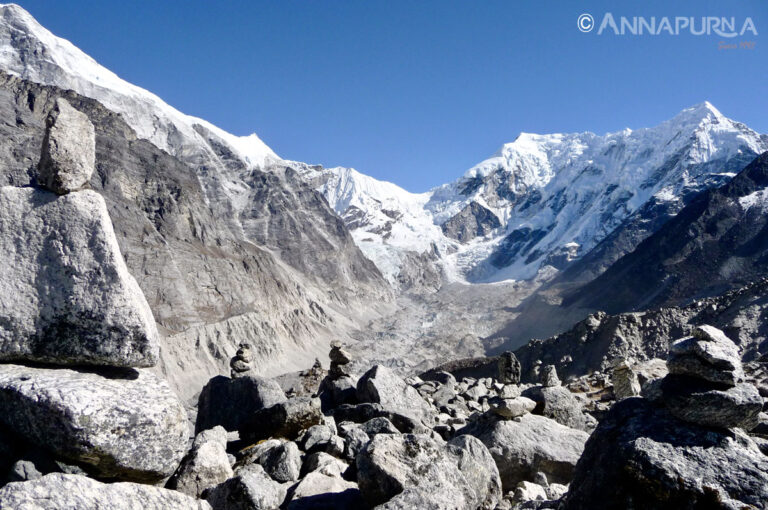
Tsho Rolpa is the largest glacial lake, formed when an unstable debris rim blocks glacial meltwater. Its Tsho Rolpa means ‘twin lake,’ but it is now a single lake. There is another lake to its northwest, worshiped by locals, but it is several kilometers away and can not be its twin. The Tso Rolpa, which has expanded significantly over the years due to climate change, lies above the Rolwaling Valley along the route to the Tashi Lapcha Pass.
At one point, Tsho Rolpa posed a serious risk of an outburst flood (GLOF), which could have devastated the entire lower Rolwaling Valley and extended into the largest and longest part of the Bhote Koshi River Basin. Systematic drainage is regulating the water levels of Cho Rolpa Lake to mitigate the risk of possible outburst. Today, it serves as both a breathtaking natural attraction and a reminder of the environmental challenges facing high‑altitude regions.
Trekking in Rolwaling Valley is considered one of the most adventurous and off‑the‑beaten‑path experiences. Rolwaling Valley Trek offers solitude, raw natural beauty, and authentic cultural encounters.
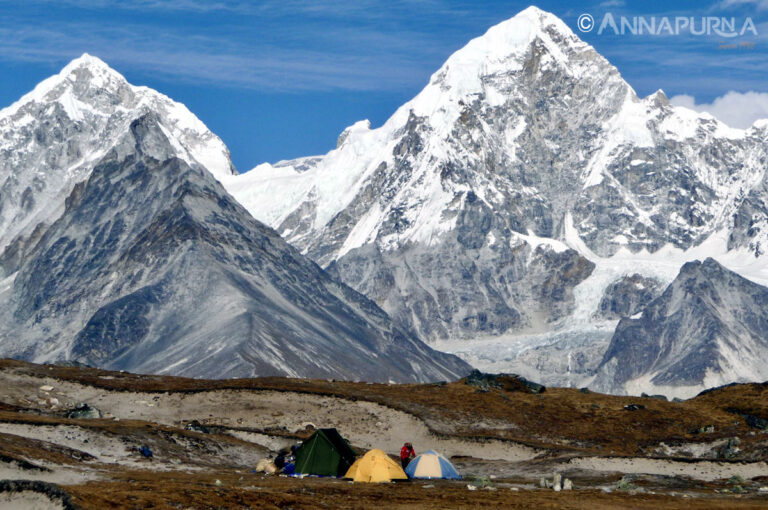
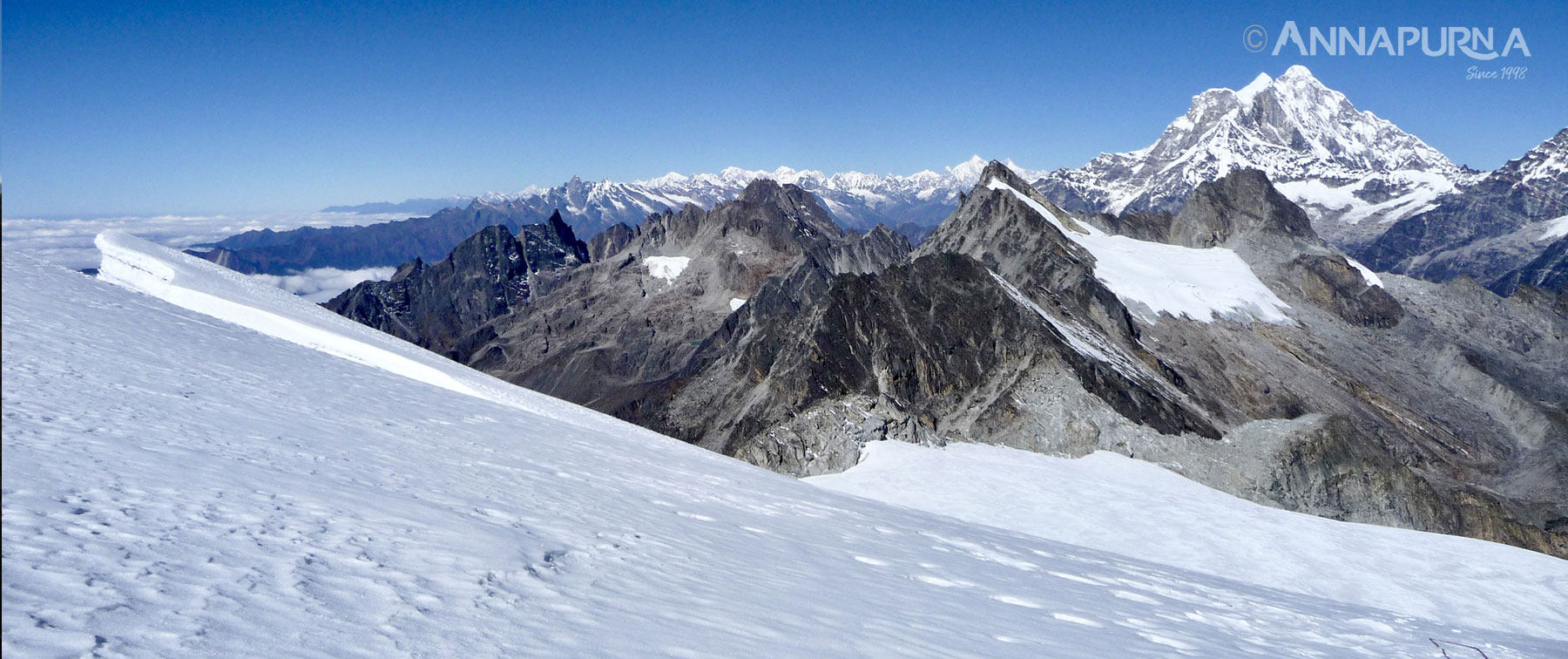
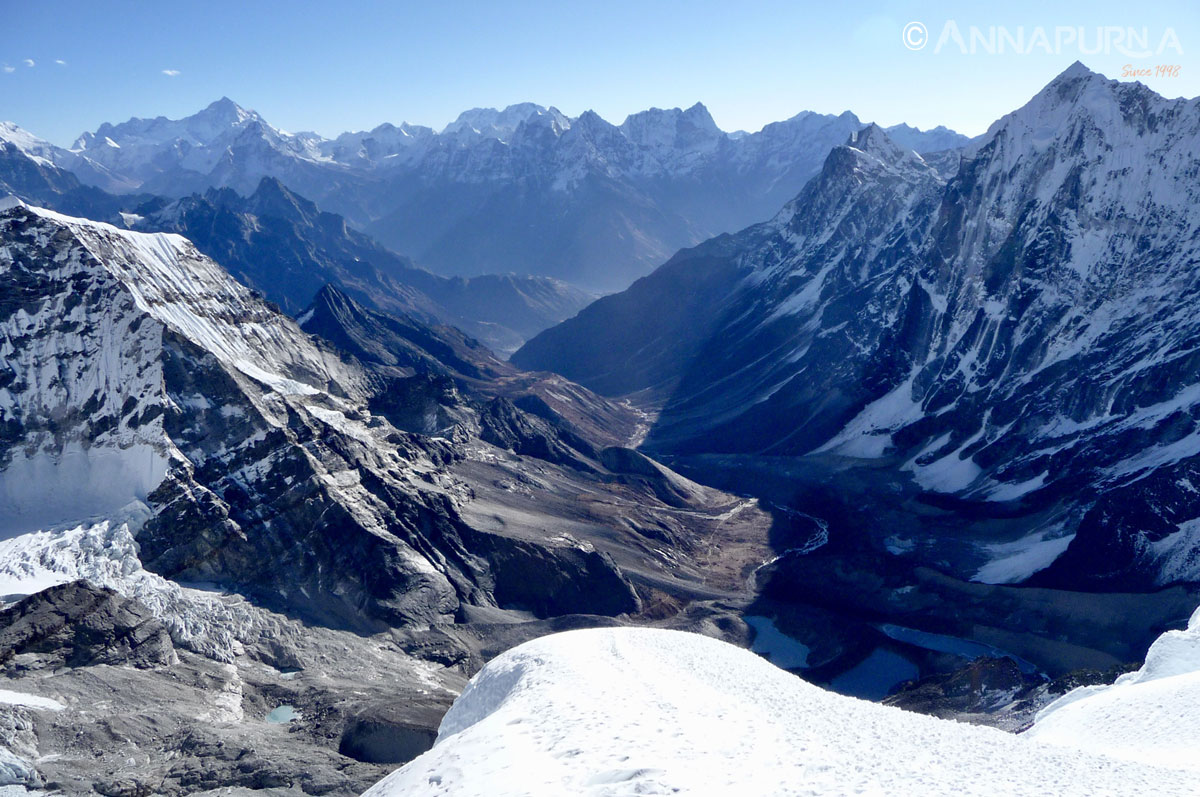
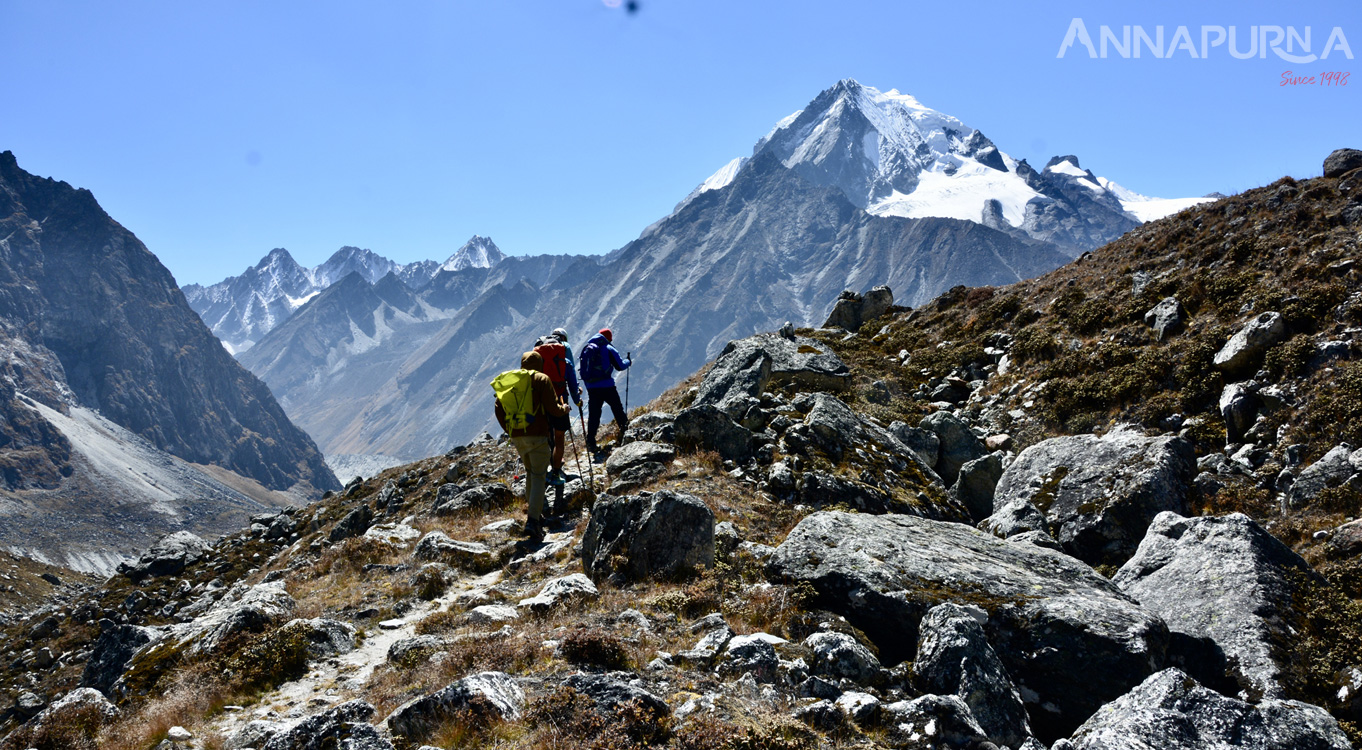
The highlight of the trek is crossing the Tashi Lapcha Pass, which requires technical mountaineering skills, glacier travel experience, and proper acclimatization. Trekkers must be physically fit and accompanied by experienced Sherpa guides and support teams. The Rolwaling Valley trek offers spectacular views of snow‑capped peaks, vast glaciers, and wide Himalayan landscapes of the entire Rolwaling region and Everest.
Southeast of Tashi Lapcha Pass stands Pharchamo Peak (6,279 m), one of the most popular trekking peaks in the Rolwaling region. It was first successfully climbed on 18 April 1955 by Phil Boultbee and Dennis Davis under the leadership of Alfred Gregory.
The peak features a combination of snow slopes, crevasses, and glacier terrain, offering a moderately technical climb suitable for experienced trekkers transitioning into mountaineering. Access is primarily through the Rolwaling Valley, although an alternative route exists from the Khumbu side via Namche Bazaar and Thame, crossing the Tashi Lapcha Pass. Climbing Pharchamo is often combined with crossing Tashi Lapcha Pass, creating a rewarding expedition that blends trekking and mountaineering.
For a day-to-day itinerary, hotel information, customised programs, or anything else related to your travel plan. Please get in touch with annatreks@gmail.com or WhatsApp/Message at +977 985 10 30619. You can also message us on Facebook.
Visit the ancient Swayambhunath Stupa for valley views. Explore the royal Patan Durbar Square and meet the Kumari, Kathmandu’s living goddess.
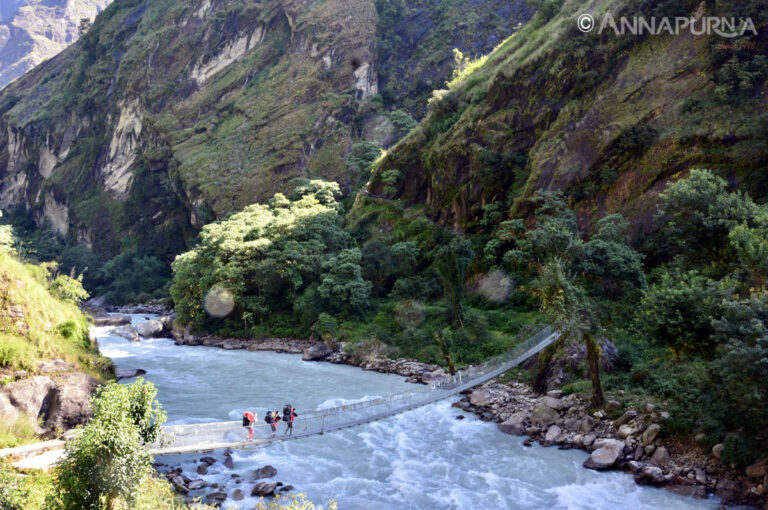
Scenic drive for ~6 hours, drive into the hills, villages, valleys and mountain scenery.
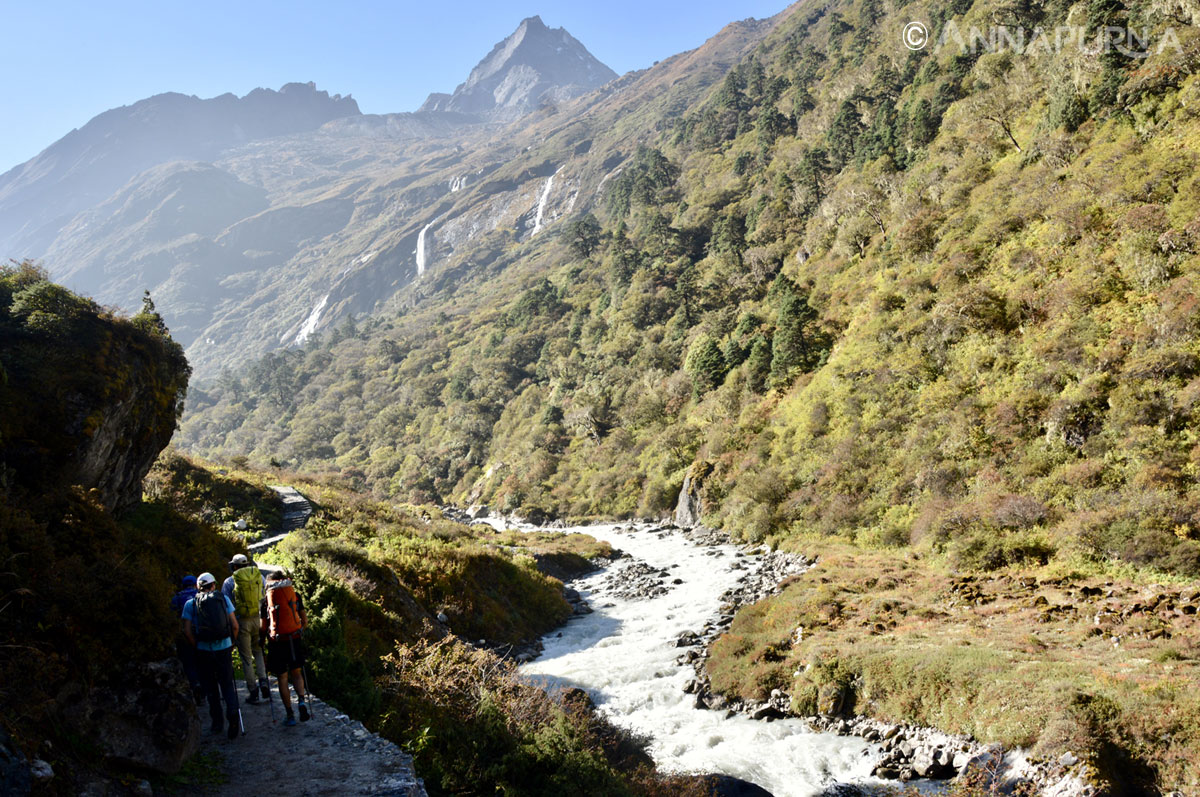
Trek for ~5 hours, first Sherpa village with views of Gauri Shanker, deep valley, series of beautiful waterfalls.
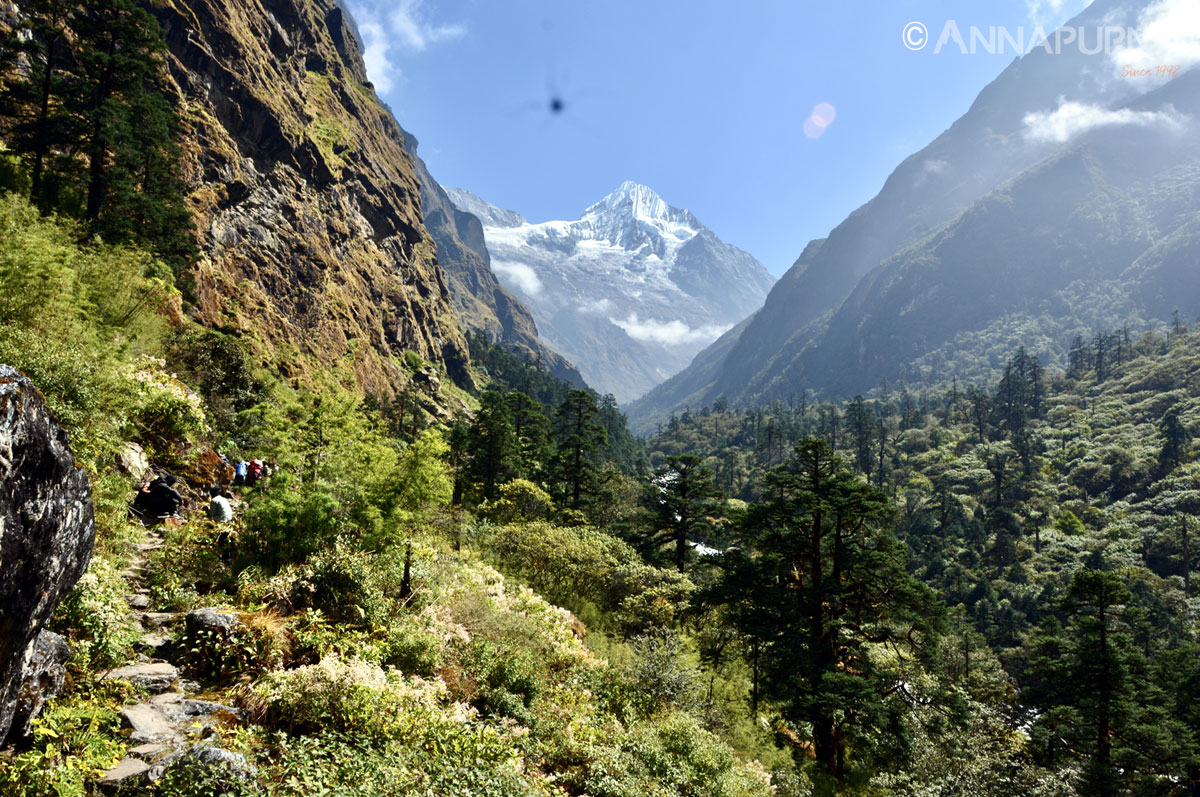
Trek for ~5 hours, entering the beautiful Rolwaling Valley through rhododendron forests.
Trek for ~6 hours, reaching the main Sherpa village of the Rolwaling region. Trekking through beautiful vegetation and deep valley.
Trek for ~3 hours, stunning, broad valley views surrounded by giant peaks.
Rest and exploration day in a high-mountain cradle, beautiful scenery in all directions.
Trek for ~4 hours, hiking to a massive, awe-inspiring glacial lake.
Trek for ~6 hours, crossing the Tsho Rolpa glacier; a true mountain experience with active avalanches.
Trek for ~5 hours, challenging pass crossing into the Everest region. Camp in Tashi Phuk cave.
Trek for ~8 hours, optional summit climb of a trekking peak for experienced climbers.
Trek for ~3 hours, visit the historic and culturally important Thame Monastery, sleep in lodge comfort.
Trek for ~6 hours, walking the ancient trade route to Tibet.
Trek for ~7 hours, beautiful high alpine meadows with grans sceneries, breathtaking panoramic views of the Everest range from the pass.
Trek for ~6 hours, sunrise from Gokyo Ri and a less-traveled trail rich with wildlife to Sherpa Cultural villages.
Trek for ~5 hours, grand views from Mongla, exploring the famous Sherpa villages of the Khumbu.
Trek for ~7 hours, a celebratory farewell dinner with your Sherpa team to mark the end of the trek.
Morning flight and drive, arriving in Kathmandu by mid-afternoon.
Deep cultural dive: the Hindu cremation ghats of Pashupatinath, the medieval architecture of Bhaktapur, and the great stupa of Boudhanath: a deep dive into the Hindu and Buddhist Nepal.
Transfer to the airport for your international flight home.
The Rolwaling Valley is a remote and rugged Himalayan region in east-central Nepal, known for its stunning glaciers, high passes, and rich Sherpa culture. The area is one of the easiest accessible regions. It is often considered one of the seven hidden valleys of the Himalayas. Beyond the challenging passes, the Rolwaling Valley offers several unique natural and cultural highlights.
Itinerary Options: A trek focusing on the Rolwaling Valley itself, such as to Beding, Na, and Tsho Rolpa, can take around 11-13 days. A full traverse over the Tashi Lapcha Pass to the Everest region is a longer expedition, often taking 20-25 days.
| Location | East-central Nepal, bordering Tibet |
| Known For | Wild, unexplored terrain; Gaurishankar Mountain; Tsho Rolpa Lake; Yeti legends; Sherpa villages |
| Major Peaks | Gaurishankar (7,134m), Melungtse (7,181m), and Dorje Lakpa |
| Key Pass | Tashi Lapcha Pass (5,755m) – a technical crossing requiring experience and equipment, connecting Rolwaling to the Everest region |
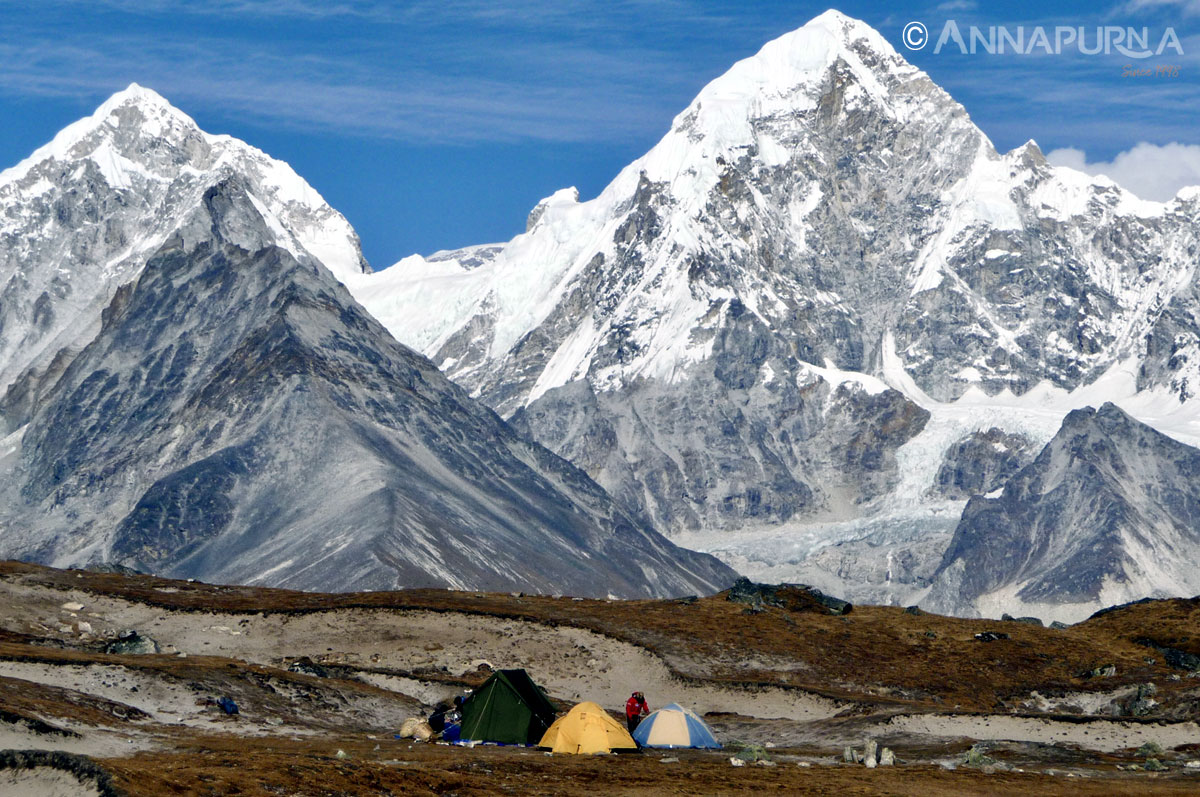
| Trekking Style | Primarily camping treks; some tea-house routes available |
| Difficulty Level | Strenuous to Technical. Requires good fitness; Tashi Lapcha Pass involves glacier travel with crampons and ice axes. |
| Major Attractions | Tsho Rolpa (one of Nepal’s largest glacial lakes), Beding Village, Na Village |
| Best Seasons | Spring (March-May) and Autumn (September-November) |
| Tsho Rolpa Lake | Tsho Rolpa, at an altitude of 4,580 meters, is one of the largest glacial lakes in the Himalayas of Nepal. Set against a backdrop of high mountains, it is a significant highlight for trekkers not attempting the Tashi Lapcha crossing. |
| Sherpa Culture | The Rolwaling Valley is home to traditional Sherpa villages, including Beding (the main village) and Na (a summer village). The region holds strong spiritual significance, with sites such as a sacred cave used for meditation by Buddhist saints. |
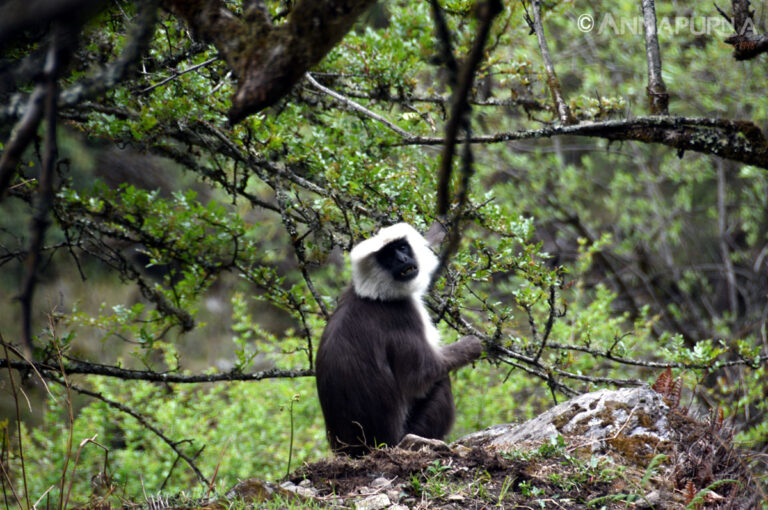
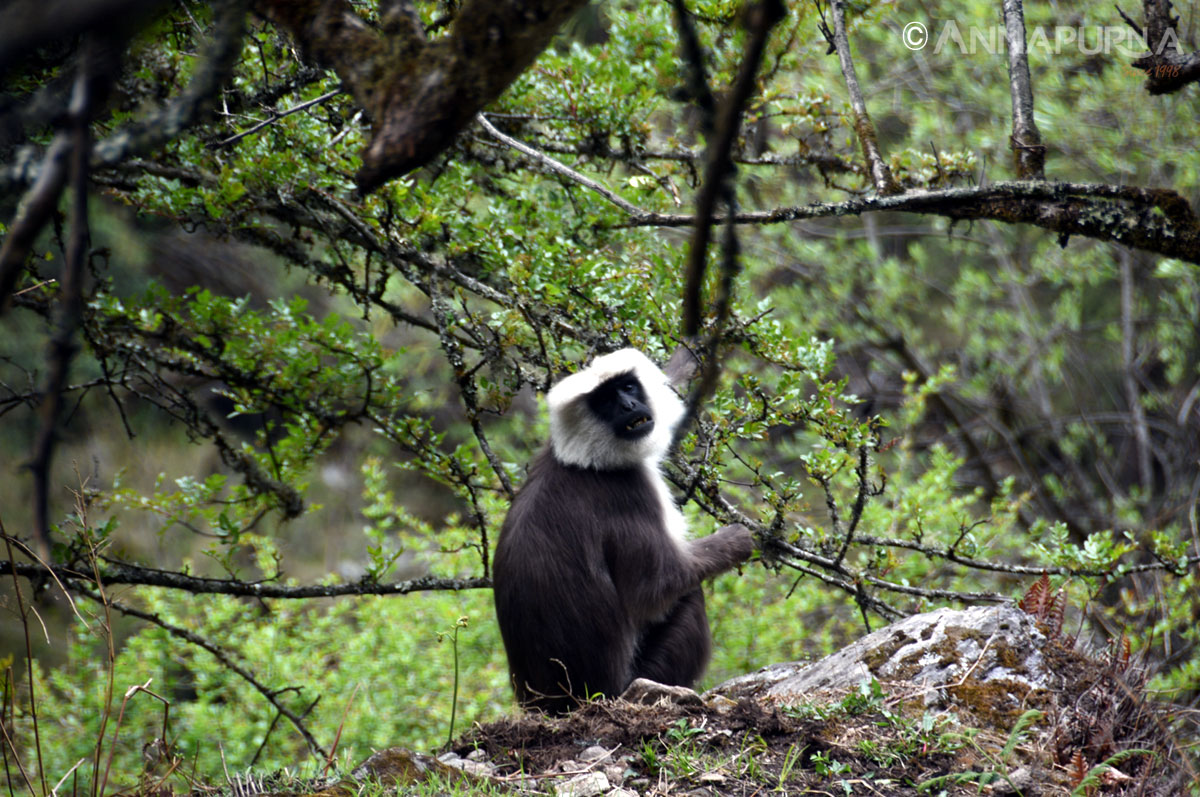
| Biodiversity | The Rolwaling region boasts a diverse landscape, ranging from dense forests at lower elevations to high-altitude glaciers. It is part of the Gaurishankar Conservation Area, and you may spot wildlife such as snow leopards and various Himalayan flora. |
| Category | Detail |
| Who can join these treks | The trek suits health-conscious travellers aged 20+ who can handle high altitudes anduphill/downhill challenges in extreme weather conditions. There is no upper limit for seniors to join if they are physically fit and medically cleared. First-timers with dedicated commitment and basic to adequate training are welcome. The trek is led by our experienced guides and support staff (guide helpers, porters, kitchen crew), and overall care is provided. |
| Group Policy | We specialise in premium private treks and tours. We do not combine individual travellers into groups. Your “group” is defined solely by the friends, family, or colleagues you choose to travel with when booking a specific program. This policy guarantees a personalised and exclusive adventure tailored just for you. |
| Guide and porters | Guides are mandatory; as of March 2025, all trekkers must hire a government-licensed trekking/climbing guide. Due to its remote nature and technical challenges, trekking in Rolwaling and crossing Tashi Lapcha Pass is typically done as a fully organised camping trek with a guide, cook, kitchen staff and porters. |
| Permit | You will need a permit to trek in the Gaurishankar Conservation Area in this region. |
| Physical Preparation | Daily hikes of 3–8 hours over rocky terrain. Require cardio and stamina exercises like 2–4 weeks of basic running, cycling, or stair climbing (aim for 5 km in 1 hour). Regulate strength gain training, such as lunges, squats, and backpack hikes. |
| Safety and Health | Be mindful of altitude sickness and recognise symptoms (headaches, nausea, dizziness). Take preventative measures (such as taking Diamox or acclimatising rest days), and descend immediately if symptoms become severe. |
| Vaccinations | Consult a doctor for recommendations (recommended for typhoid, hepatitis A/B, and tetanus). |
| Insurance | Must cover emergency helicopter rescue (up to 6,000 m) and medical service. We strongly advise all trekkers to invest a little more in addition to the trip cost and purchase comprehensive insurance that covers all kinds of emergencies, ensuring you are financially secure and prepared for unforeseen circumstances. |
| Water and Food | Avoid tap water; use purification tablets or bottled water. Eat carb-rich meals (daal bhat, garlic soup for altitude). Avoid meat (due to limited refrigeration) and salads (due to risks associated with tap water). |
| Cash | There are no ATMs between Kathmandu and Namche (if you cross Tashi Lapcha); it is recommended that you carry some cash in Nepalese Rupees or a convertible currency. Convertible currencies are accepted, but they convert at a lower rate. |
| Connectivity | Limited phone/internet (available for a fee in most lodges). One can purchase a local SIM Card in Kathmandu, although coverage is limited. Our agency provides a satellite phone for emergency use; paid personal use is allowed. |
| Tipping | Tips for guides/porters: please allow $5–$10/day per member. |
The following table outlines seasonal packing priorities, which include all essentials, as well as a clothing layering system for variable conditions.
| Season | Clothing | Key gear |
| Spring/Autumn | thermal base + fleece + heavy down jacket (-15°C) + waterproof shell | -15°C to -20°C sleeping bag, Microspikes (for High Pass). |
| Winter | Heavy thermal base, down jacket/pants (-20°C), balaclava | Microspikes, -30°C sleeping bag |
| Monsoon | Quick-dry clothing, a full waterproof suit | waterproof pack cover, insect repellent, 10-15° sleeping bag |
Clothing Layering System for Variable Conditions |
||
| Layer Type | Key Items | Purpose |
| Base Layer | Merino wool/synthetic tops and leggings | Moisture-wicking; temperature regulation |
| Mid Layer | Fleece jacket; down vest/jacket | Insulation: retains body heat |
| Outer Shell | Waterproof/windproof jacket and pants | Shields against rain, snow, and wind |
| Accessories | Warm hat, sun hat, buff, waterproof gloves (inner + outer), wool socks (2–4 pairs) | Protects extremities from cold/frostbite |
| Foot ware | Broken-in waterproof hiking boots + Camp shoes. |
| Regular Essentials | Sunglasses, trekking poles (for mud/snow), reusable water bottle, headlamp, first-aid kit, portable charger, high-SPF sunscreen, lip balm, toilet paper, and earplugs. |
| Backpack | 25–40L (Daypack for you). |
| Duffel Bag | ≤25 kg (for Porter). |
| Climbing Gear | Bring personal gear (boots, harness, helmet, etc.); the agency provides group gear. |
| First-Aid Kit | Bring personal medications; the agency provides a group first-aid medical box. |
| Note | Use packing cubes to organise gear. Limit clothing to 2–3 sets of quick-dry layers. |
Dress modestly (cover shoulders/knees in villages) to show respect and consideration for the local culture and customs. Circumvent clockwise around the Mani walls, stupas, and monasteries, and while visiting the inside of the monasteries. In the Sherpa community, it is disrespectful to point your finger at sacred objects or people; instead, gesture with your whole hand (palm open upside without spreading fingers). Use the right hand to eat and give/receive items (in the Hindu community). Remove your shoes/sandals when entering the kitchen, visiting homes, monasteries and temples. And ask permission before photographing people/temples/monasteries. Avoid photographing children when they are alone or without family permission. Avoid public displays of affection. For eco-friendly practices, dispose of trash properly, use biodegradable products, and avoid plastic bottles (bring a reusable water bottle).
Rent/buy a down jacket/sleeping bag in Kathmandu to save space.
Please contact at annatreks@gmail.com

I had always thought that trekking in Nepal required a looong time and that it had to be done in either spring or autumn. That was until a friend told me that it was also possible to do it in winter, and that you can reach places like the Everest...
Read More
[gallery columns="1" link="file" size="full" ids="5878"] [gallery size="full" columns="1" ids="5903"]
Read More
In August 2025, my wife and I decided to take the famous Everest Base Camp trek with Annapurna Treks, and we had a wonderful experience thanks to the company's excellent organization. We had never been to Nepal before, but we knew that during the monsoon season there was a high...
Read More